Find a Therapist for Complex Trauma
Complex trauma requires specialized care. Browse therapists who understand CPTSD and watch their intro videos to find someone who can support your healing journey.
Amanda Schneider
.jpeg)
Amanda Schneider
Mira Berlin
.jpeg)
Mira Berlin
Maureen Elworthy
-Cropped-(1).jpeg)
Maureen Elworthy
Tanya Gabrielle
-(1).jpeg)
Tanya Gabrielle
Samantha Rajchel
Samantha Rajchel
Madeline Kang
.jpeg)
Madeline Kang
Sharon Singh
-Cropped-(1).jpeg)
Sharon Singh
Allison Fassbender
.jpg)
Allison Fassbender
Marco Milani
Marco Milani
Nick Abraham
.webp)
Nick Abraham
Sandra Medina
-Cropped.webp)
Sandra Medina
Hayley Sarjeant

Hayley Sarjeant
Cassandra Myers
-Cropped.webp)
Cassandra Myers
Victoria Gabriele

Victoria Gabriele
Nisha Thakkar

Nisha Thakkar
Jessica Sloan

Jessica Sloan
Tanasha Wilkinson
-Cropped.webp)
Tanasha Wilkinson
Corey Lesperance
Corey Lesperance
Maria Legault

Maria Legault
Lacey Clarke

Lacey Clarke
Melissa Melnychuk
Melissa Melnychuk
Justin Leung

Justin Leung
Ariella Boehm
.webp)
Ariella Boehm
Diane Brussell
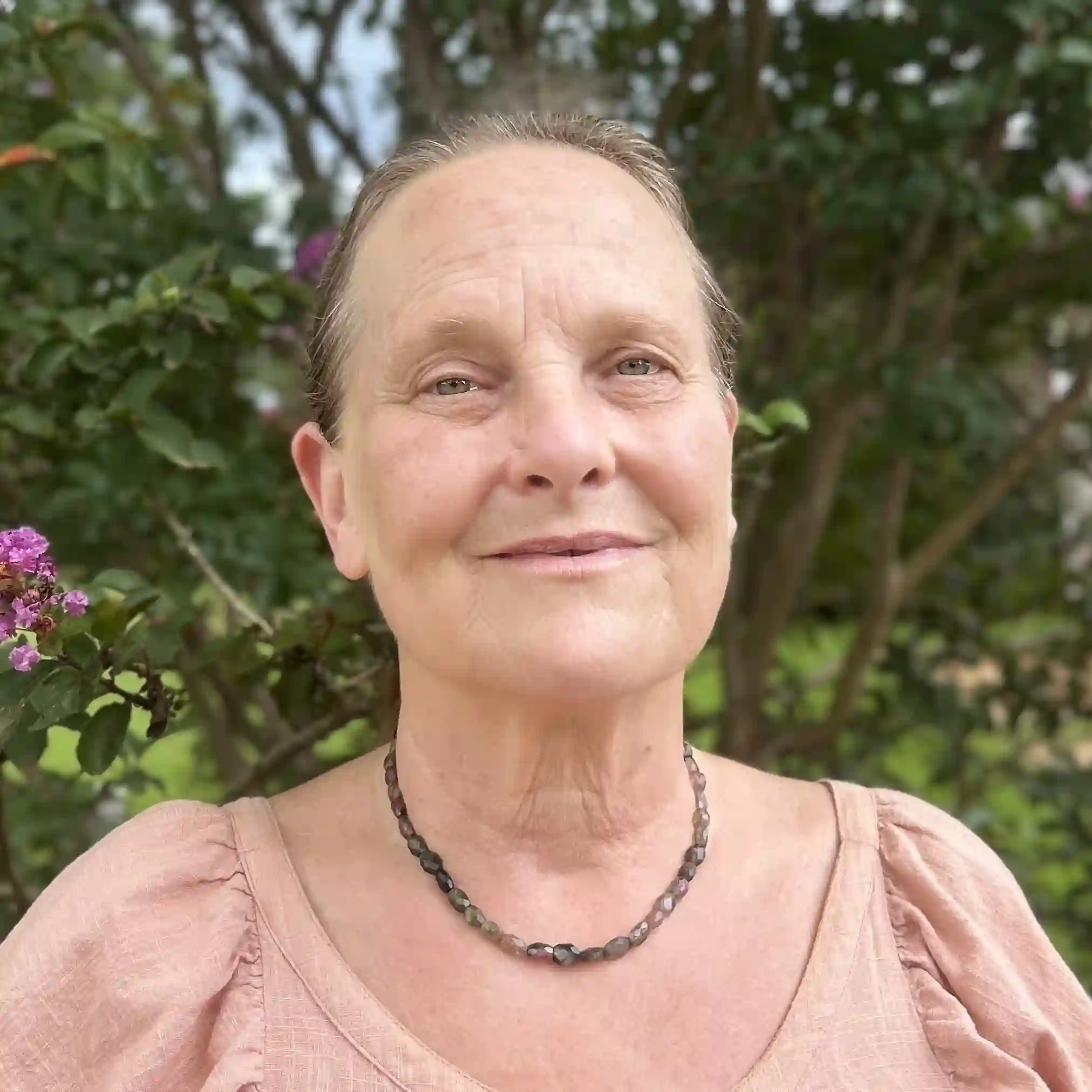
Diane Brussell
Vanessa Liu
-Cropped-min.webp)
Vanessa Liu
Mariya Garnet
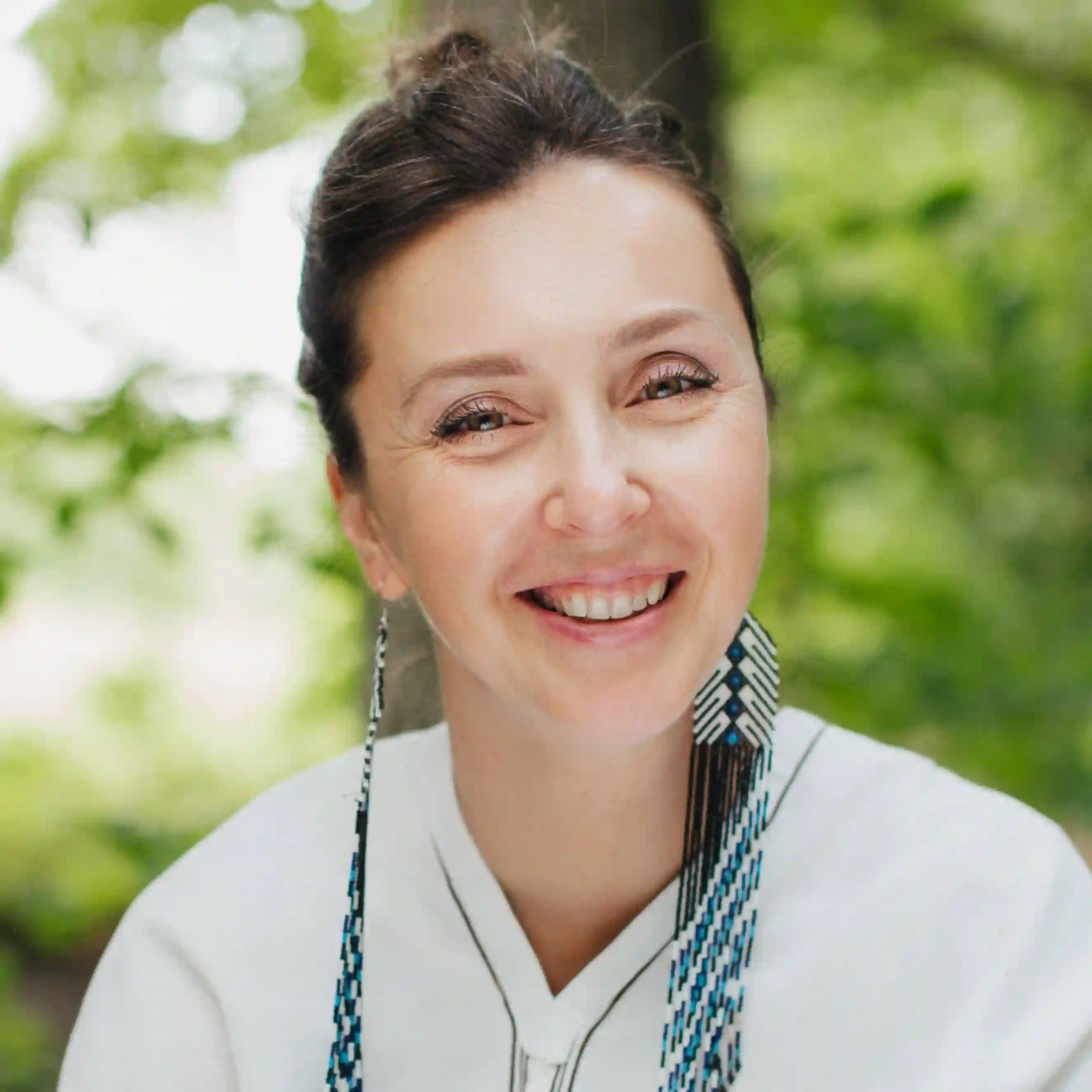
Mariya Garnet
Michelle Brewer
-(1)-Cropped.webp)
Michelle Brewer
Lotus Huyen Vu

Lotus Huyen Vu
Ting Jiang

Ting Jiang
Jennifer Henderson

Jennifer Henderson
Sabrina Sibbald
-Cropped.webp)
Sabrina Sibbald
Lindsay Kudlow

Lindsay Kudlow
Jennifer Schofield

Jennifer Schofield
Eda Mucaj

Eda Mucaj
Wendy van Es

Wendy van Es
Rebekkah Stainton

Rebekkah Stainton
Warren Elardo

Warren Elardo
Anastasia Sutulova

Anastasia Sutulova
Marie Schoppen

Marie Schoppen
Corinna Killeen
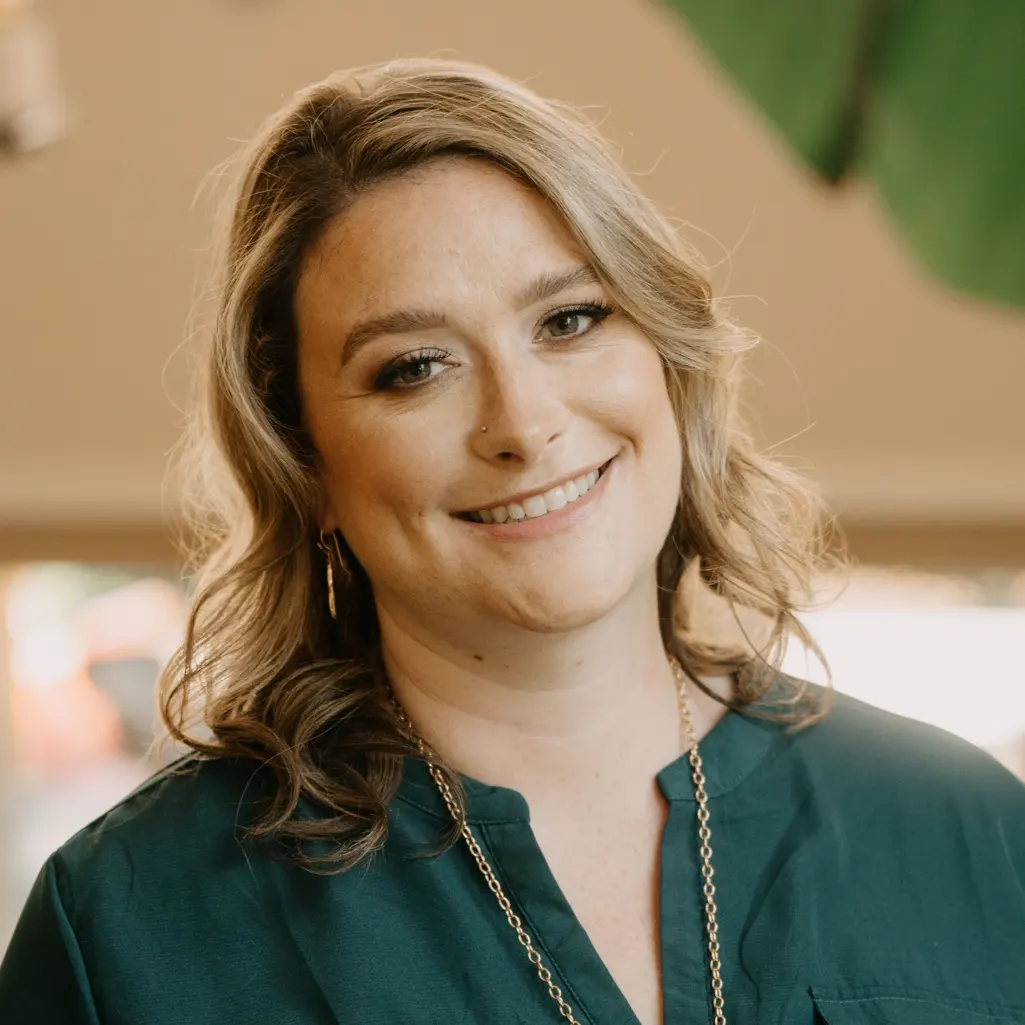
Corinna Killeen
Cayla Townes

Cayla Townes
Andrea Montello

Andrea Montello
Tanya Beattie

Tanya Beattie
Emily Duggan

Emily Duggan
Ahilia Singh Morales

Ahilia Singh Morales
Daisie Auty

Daisie Auty
Kelly Collins
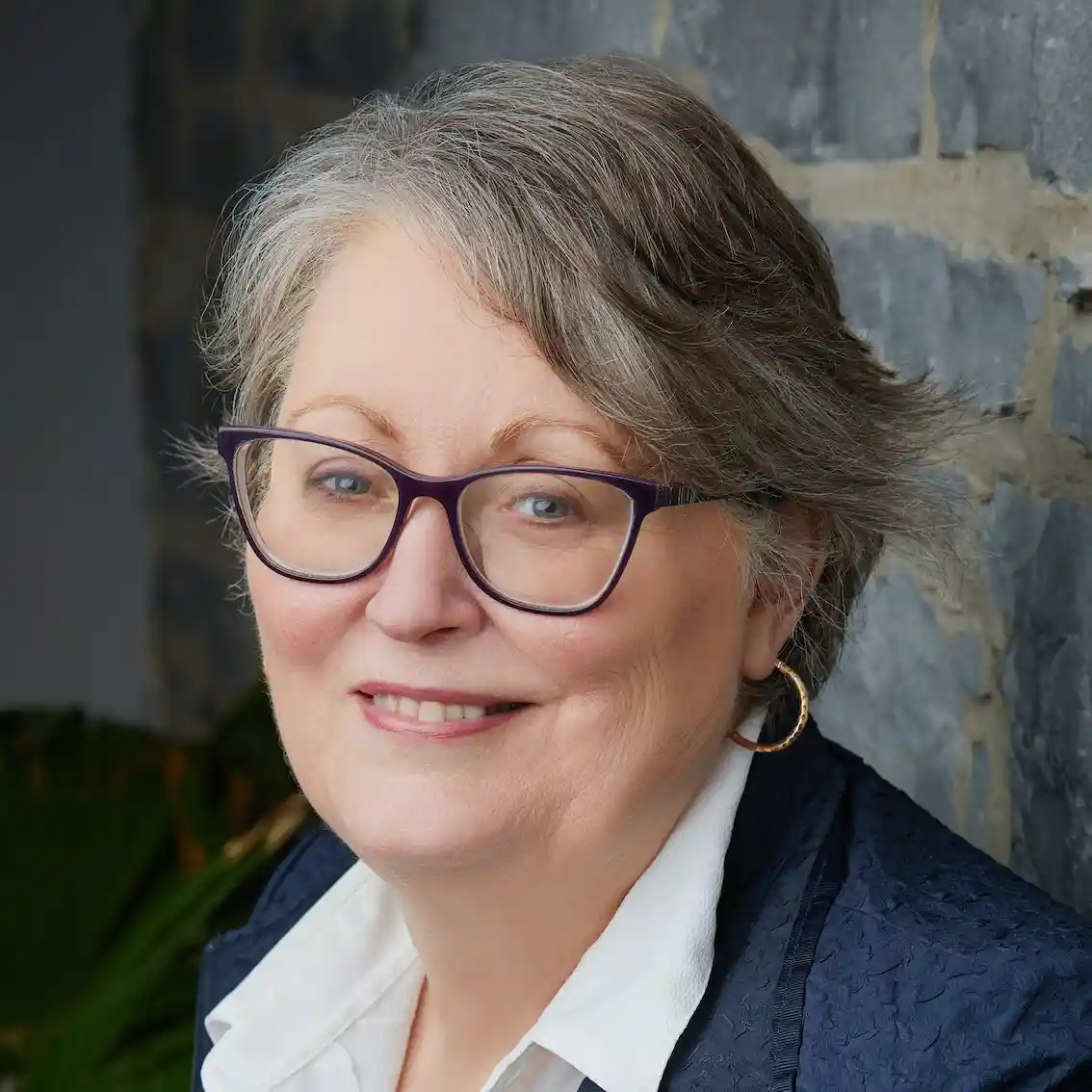
Kelly Collins
Dr. Chasidy Karpiuk
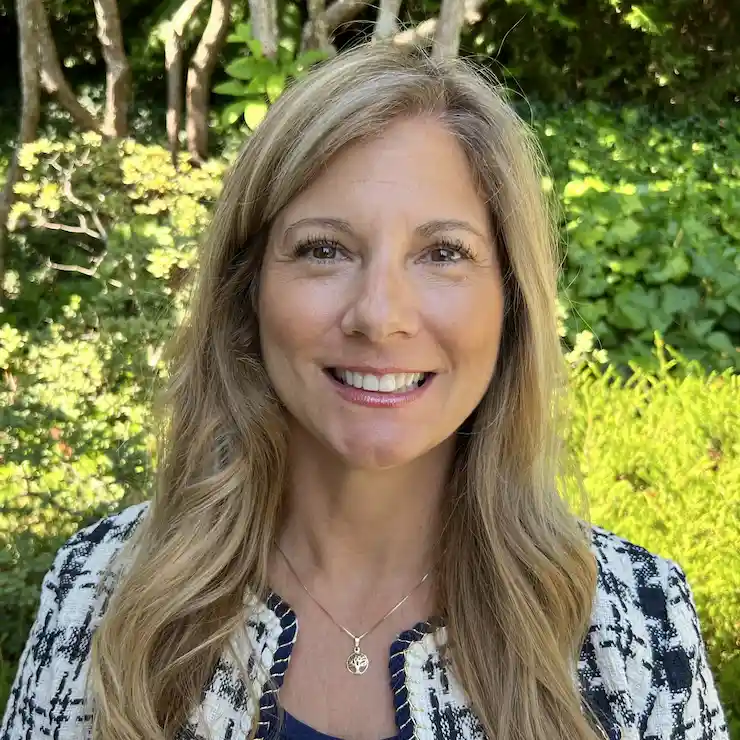
Dr. Chasidy Karpiuk
Andrew Fawcett
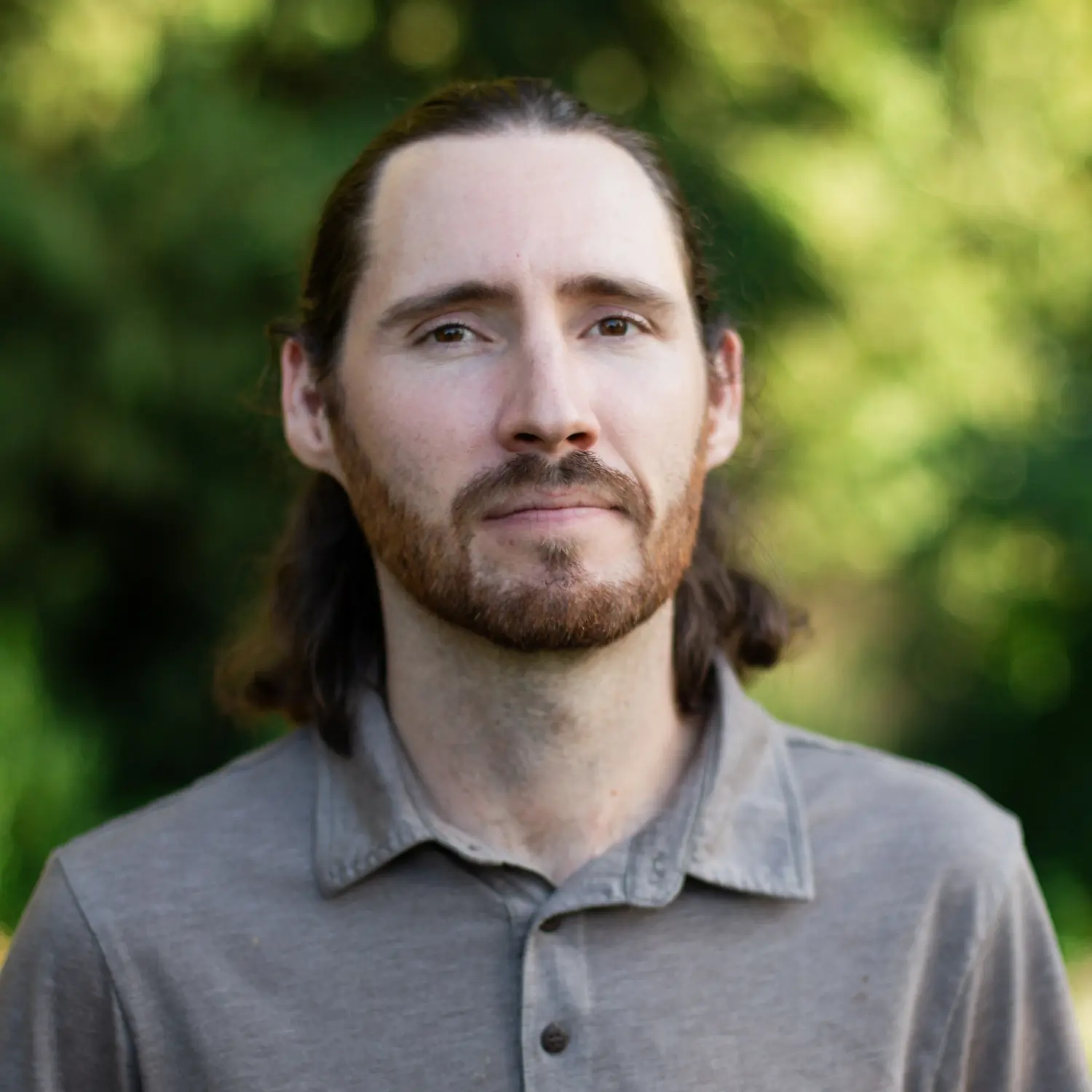
Andrew Fawcett
Gwyneth Hodgins

Gwyneth Hodgins
Rachel Bennett

Rachel Bennett
Alisha Kandler
.webp)
Alisha Kandler

Therapy is hard work.
Complex PTSD develops from prolonged, repeated trauma—often in situations where escape was difficult or impossible, such as childhood abuse, domestic violence, or captivity. In addition to typical PTSD symptoms, CPTSD often includes difficulty regulating emotions, negative self-perception, challenges with trust and relationships, and feeling disconnected from yourself or others.
Many people find that therapy provides a safe space to process traumatic experiences at their own pace, develop skills for managing intense emotions, work through patterns that developed as survival responses, and build a healthier sense of self. Healing from complex trauma takes time, but therapy can provide essential support throughout the journey.
Several approaches can help with complex trauma, including trauma-focused CBT, EMDR, somatic therapy, and Internal Family Systems (IFS). Your therapist will work with you to find approaches that feel safe and effective for your unique situation. Healing is not one-size-fits-all, and the pace is always guided by what feels manageable for you.
On First Session, you can browse therapists who list complex trauma, CPTSD, or trauma-informed care as specialties. Watch their intro videos to get a sense of their warmth and approach—finding someone who feels safe is especially important for this work. Learn more about what makes a good therapist.
Healing from complex trauma is a gradual process that looks different for everyone. Because complex trauma affects so many aspects of life, therapy is often a longer journey than for single-incident trauma. However, many people begin to notice meaningful shifts even in early stages of treatment. Your therapist will support you at a pace that feels safe.
Browse therapists on First Session who specialize in complex trauma and CPTSD. Watch their intro videos to find someone whose approach resonates with you, then book a session online. Many therapists offer free consultations so you can ask questions before committing. Reaching out for support takes courage—you deserve care that understands what you've been through.