Find a Trauma Processing Therapist
Healing from trauma is a deeply personal journey, and having the right support can make all the difference. Browse therapists who specialize in trauma processing and find someone you feel comfortable working with.
Jenny Scott
.jpeg)
Jenny Scott
Tania Hernandez
-(1).jpeg)
Tania Hernandez
Arooj Rehman
.jpeg)
Arooj Rehman
Dianne Shannon
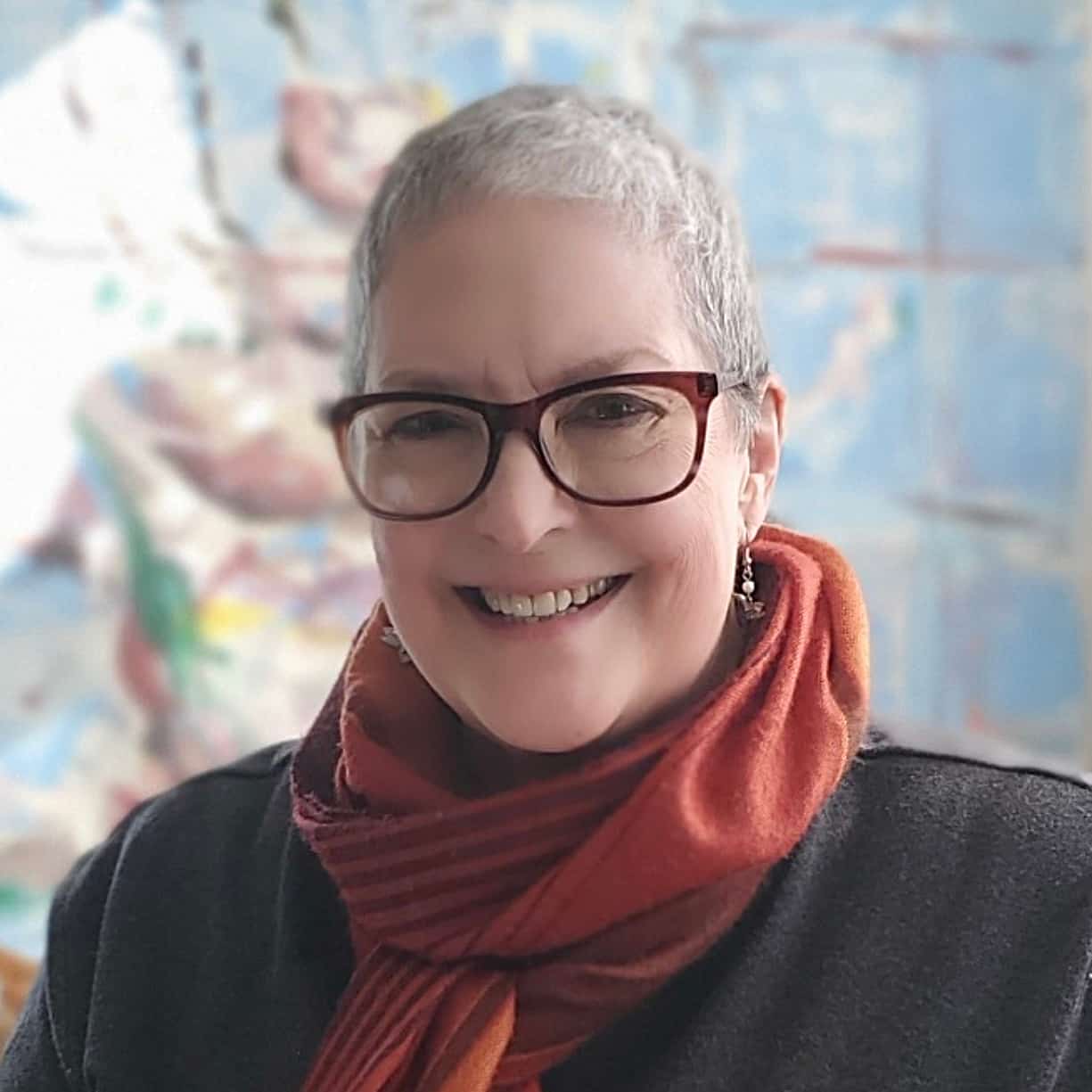
Dianne Shannon
Sharon Singh
-Cropped-(1).jpeg)
Sharon Singh
Nick Abraham
.webp)
Nick Abraham
Natalie Saroya

Natalie Saroya
Hayley Sarjeant

Hayley Sarjeant
Victoria Gabriele

Victoria Gabriele
Nisha Thakkar

Nisha Thakkar
Mary Omiyi

Mary Omiyi
Jessica Sloan

Jessica Sloan
Maria Legault

Maria Legault
Justin Leung

Justin Leung
Shannon Gagnon

Shannon Gagnon
Diane Brussell
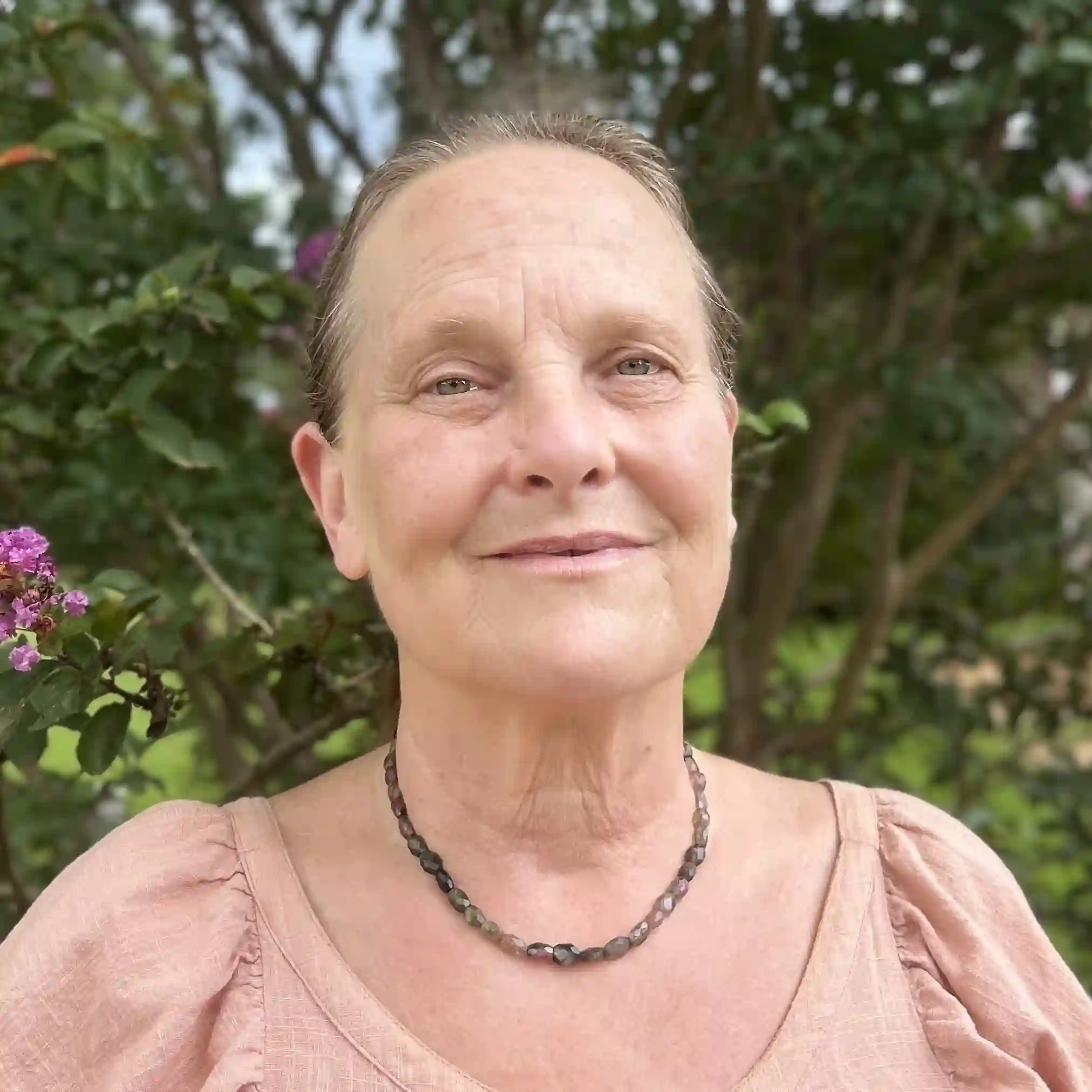
Diane Brussell
Mariya Garnet

Mariya Garnet
Molly McBride
.webp)
Molly McBride
Anna Loch

Anna Loch
Lotus Huyen Vu

Lotus Huyen Vu
Ciara Williams

Ciara Williams
Jennifer Henderson

Jennifer Henderson
Wendy van Es

Wendy van Es
Michael Chu

Michael Chu
Hayley Hope

Hayley Hope
Elena Maystruk

Elena Maystruk
Sadaf Naji

Sadaf Naji
Emily Blackmoon
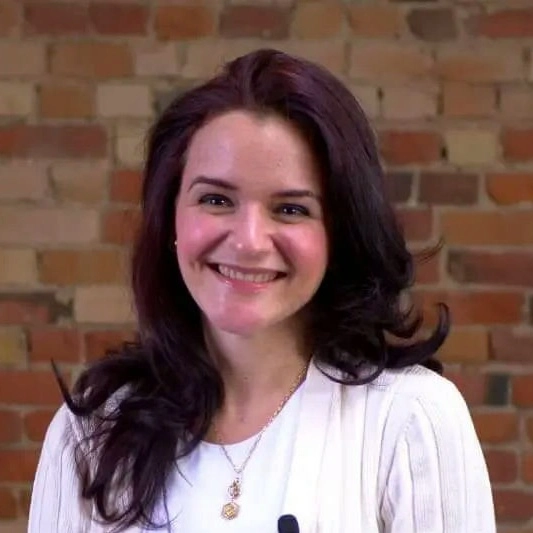
Emily Blackmoon
Fawn MacInnis
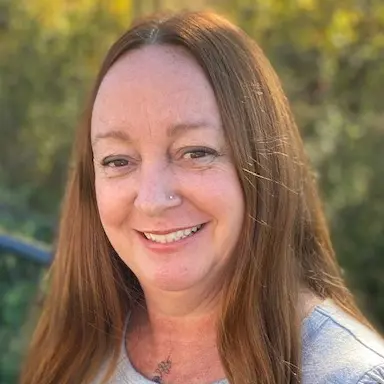
Fawn MacInnis
Hana Urushizawa

Hana Urushizawa
Andrea Montello

Andrea Montello
Alaleh Shakourianfard

Alaleh Shakourianfard
Tanya Beattie

Tanya Beattie
Margarita Iarovaia

Margarita Iarovaia
Amanda Warr
.webp)
Amanda Warr
Stefan Milosevic
.webp)
Stefan Milosevic
Natasha Sandy

Natasha Sandy
Dr. Chasidy Karpiuk
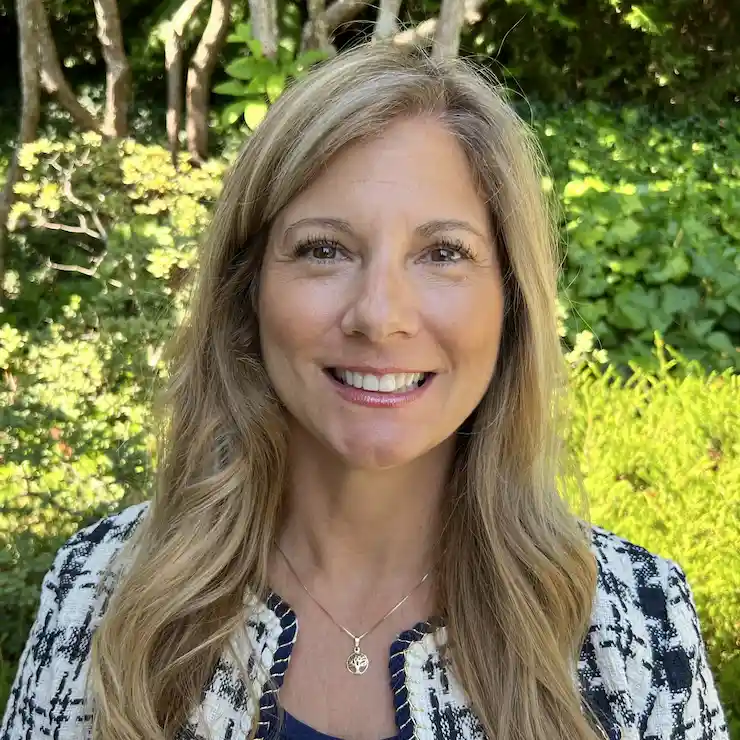
Dr. Chasidy Karpiuk
Kristin Michie
-Cropped.webp)
Kristin Michie
Lior Papo

Lior Papo
Lauren Gaudet
-Cropped.webp)
Lauren Gaudet
Alisha Kandler
.webp)
Alisha Kandler

Therapy is hard work.
Trauma processing in therapy involves working through difficult experiences in a safe, supportive environment. A therapist can help you understand how trauma has affected you and develop ways to cope with its impact. This work happens at your own pace—there's no pressure to revisit anything before you're ready. Many therapeutic approaches, including EMDR and somatic therapies, are designed specifically to support trauma healing.
There's no single sign that indicates someone needs trauma therapy. Some people seek support because past experiences are affecting their daily life, relationships, or sense of safety. Others may notice they've been avoiding certain places, people, or memories. If something from your past feels unresolved or continues to cause distress, speaking with a therapist may help you understand what you're experiencing and explore your options.
Finding the right therapist often comes down to feeling safe and understood. Look for someone with experience in trauma-informed approaches who creates a non-judgmental space. It can help to watch intro videos to get a sense of a therapist's personality and style before booking. Trust your instincts—the therapeutic relationship is one of the most important factors in feeling supported through this work.
Many people find online therapy to be an effective option for trauma processing. Working from your own space can sometimes feel more comfortable and accessible. That said, some therapeutic techniques work better in person, and preferences vary from person to person. First Session offers both online and in-person options, so you can choose what feels right for you.
There's no set timeline for trauma therapy—it varies based on your experiences, goals, and pace. Some people notice shifts within a few months, while others benefit from longer-term support. A good therapist will work with you to understand what you're hoping to achieve and check in regularly about how things are going. Healing isn't linear, and it's okay to take the time you need.
Therapy costs in Canada vary depending on the therapist's credentials, location, and whether sessions are online or in person. Many extended health insurance plans cover some or all of the cost. You can learn more about what therapy typically costs and explore therapists on First Session who fit your budget. Each therapist sets their own rates, which are listed on their profile.