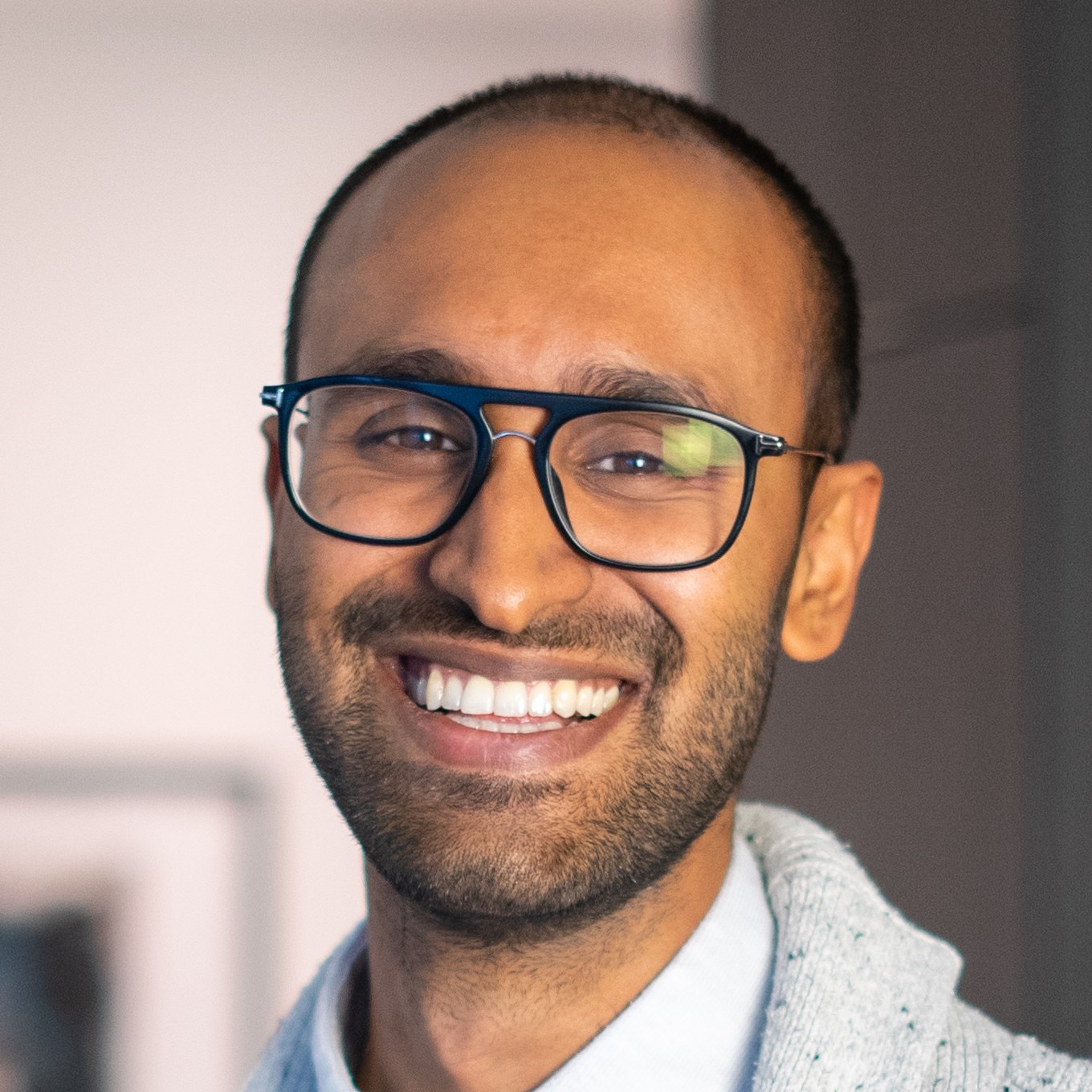
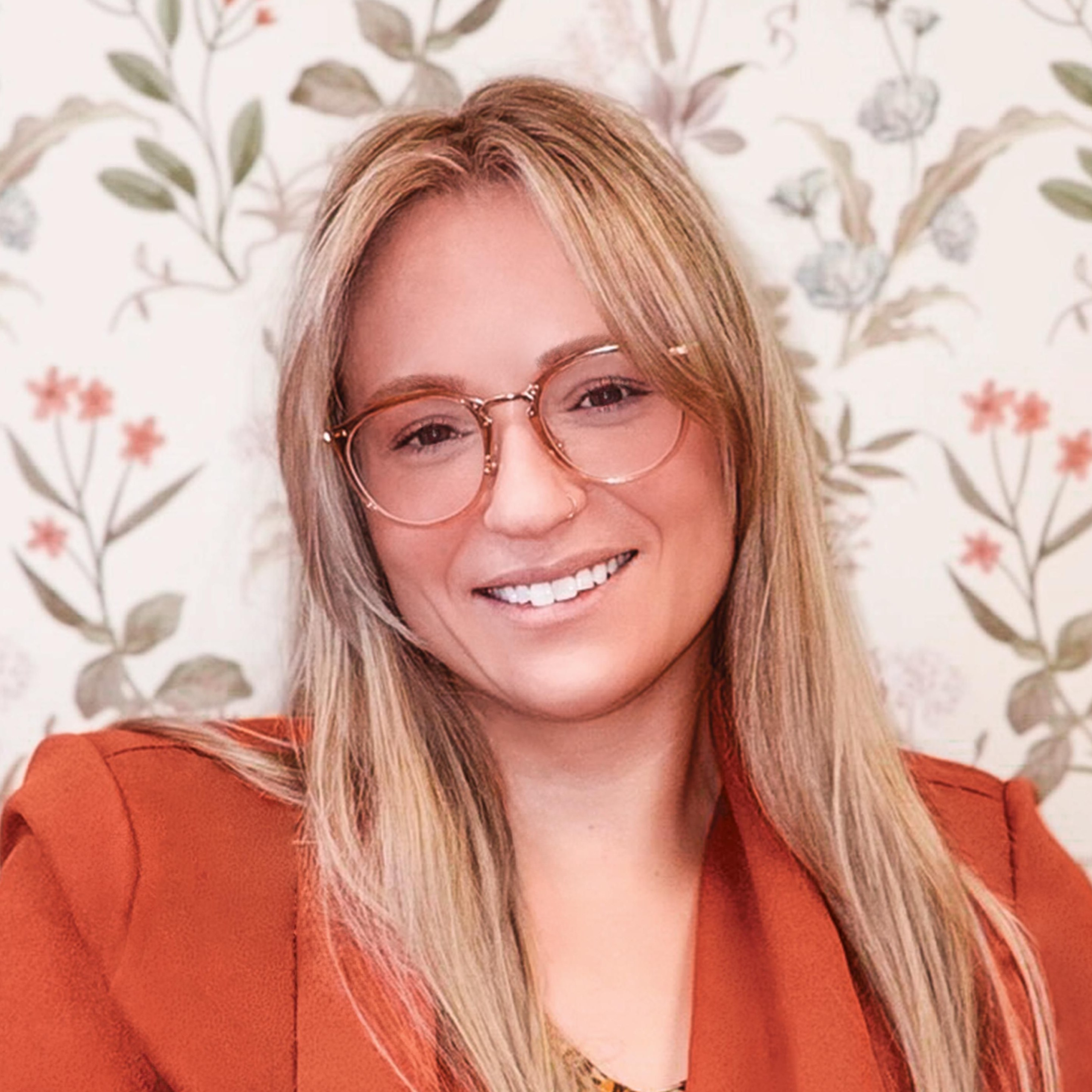
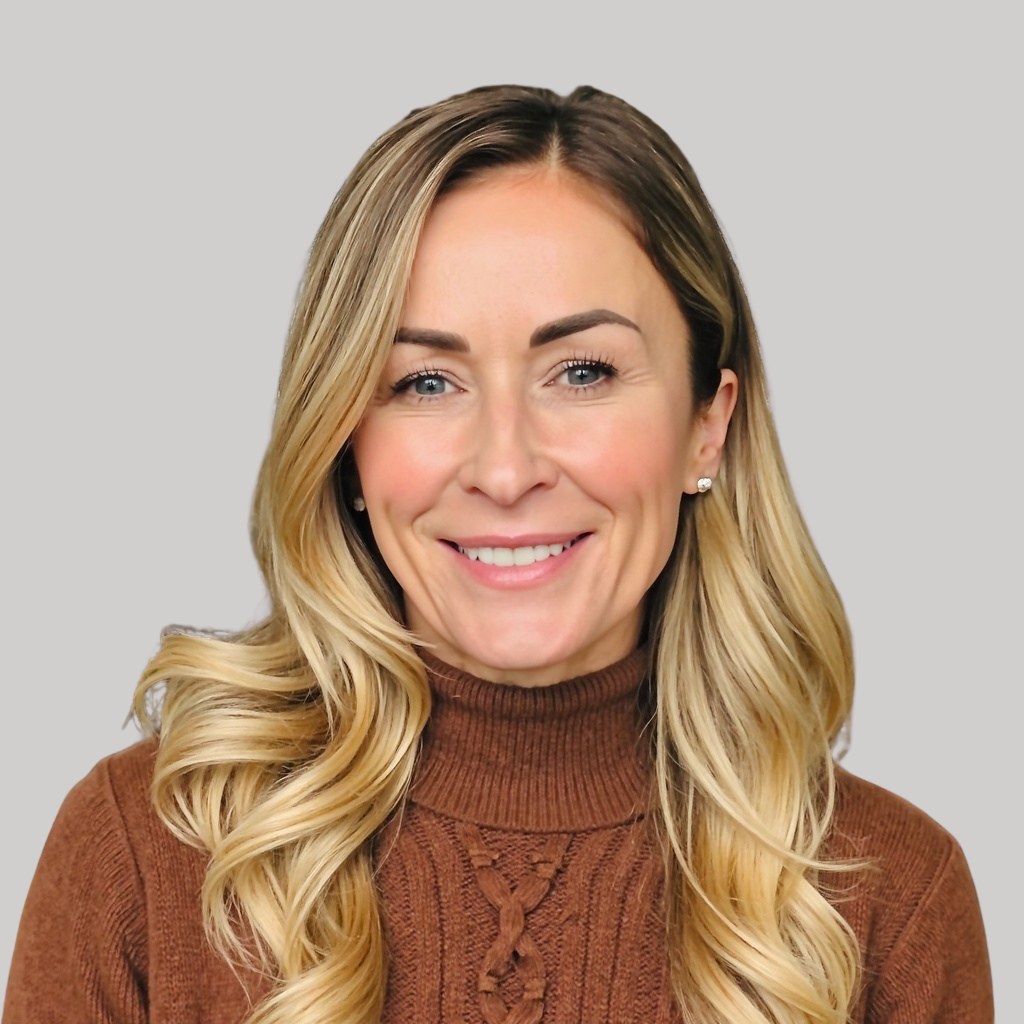
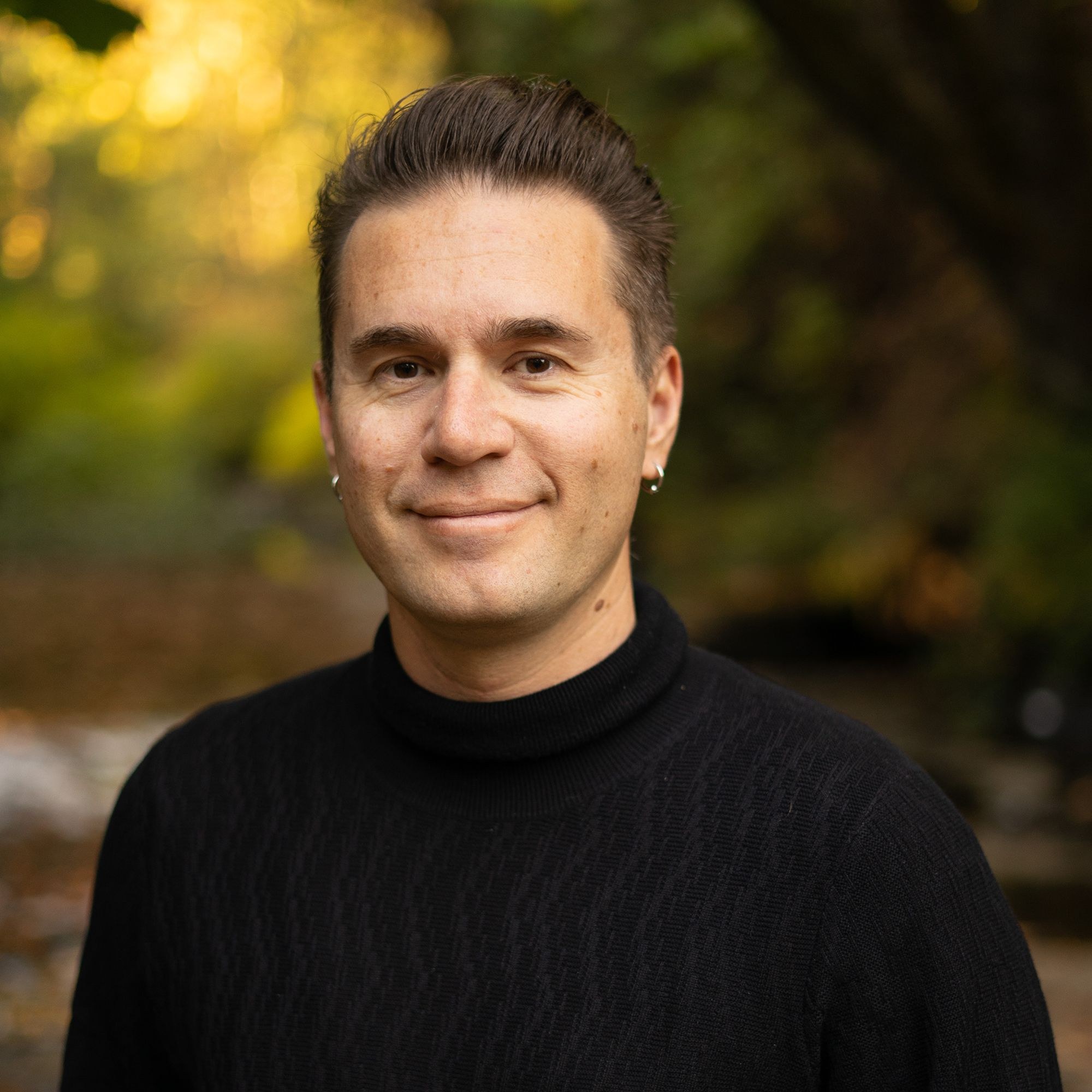
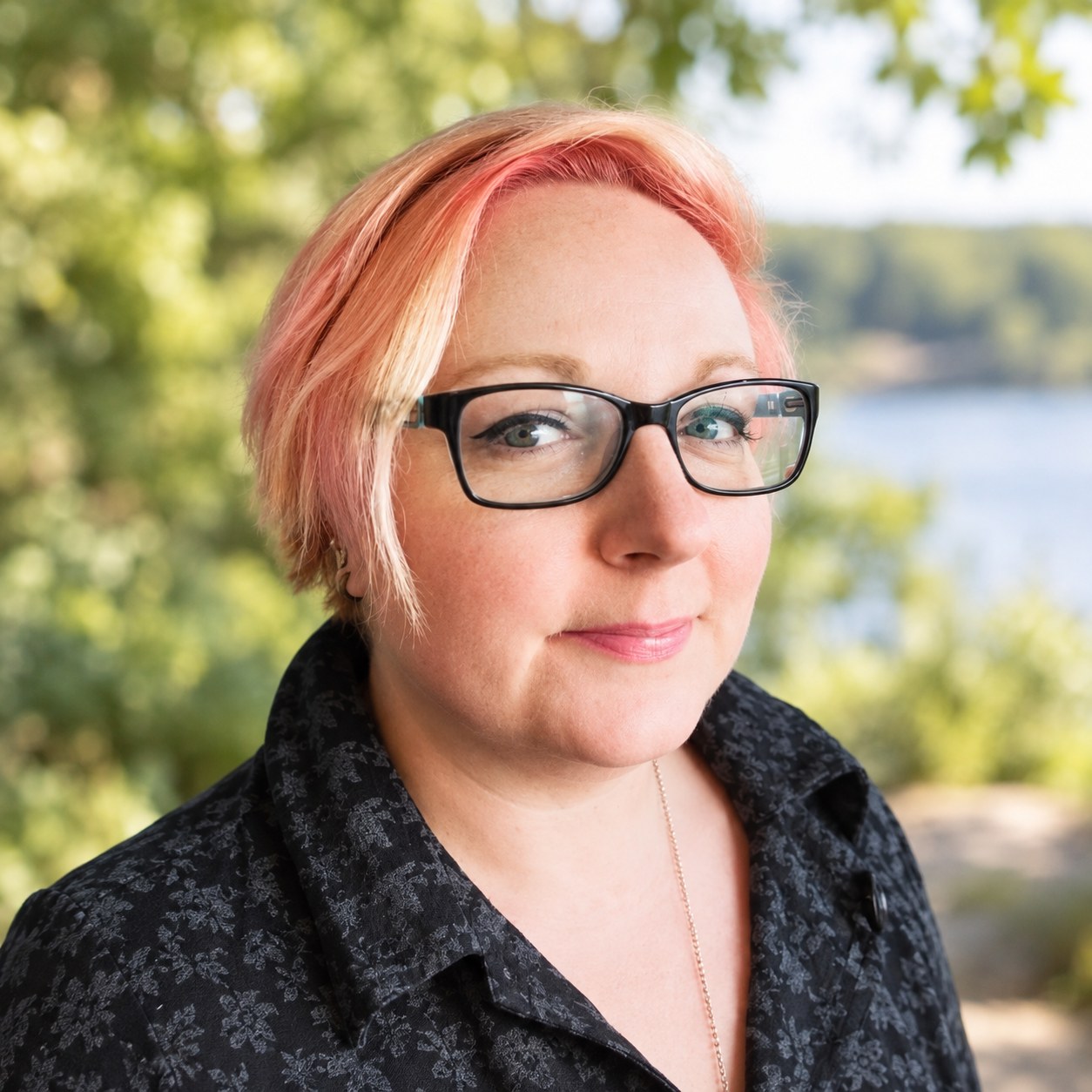
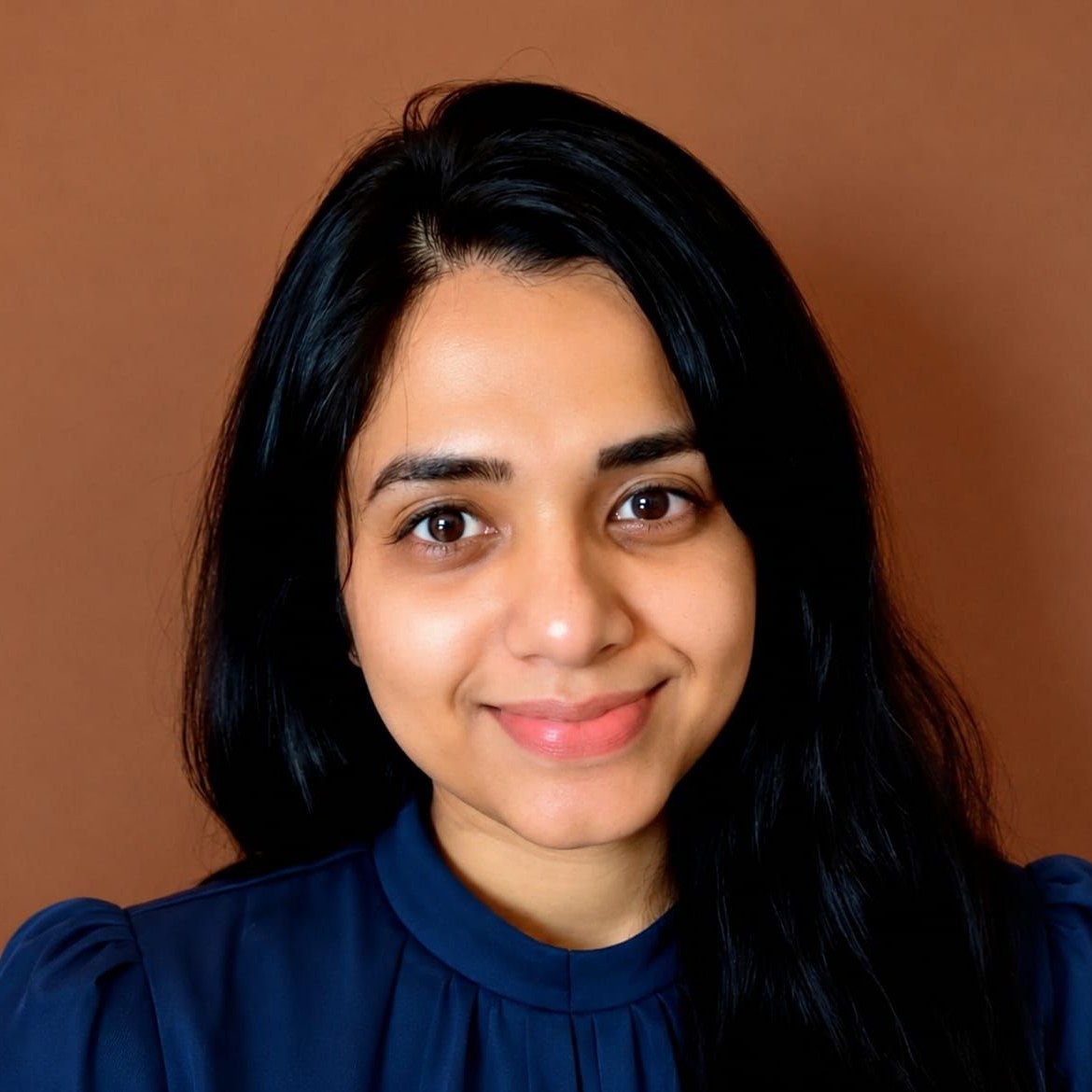
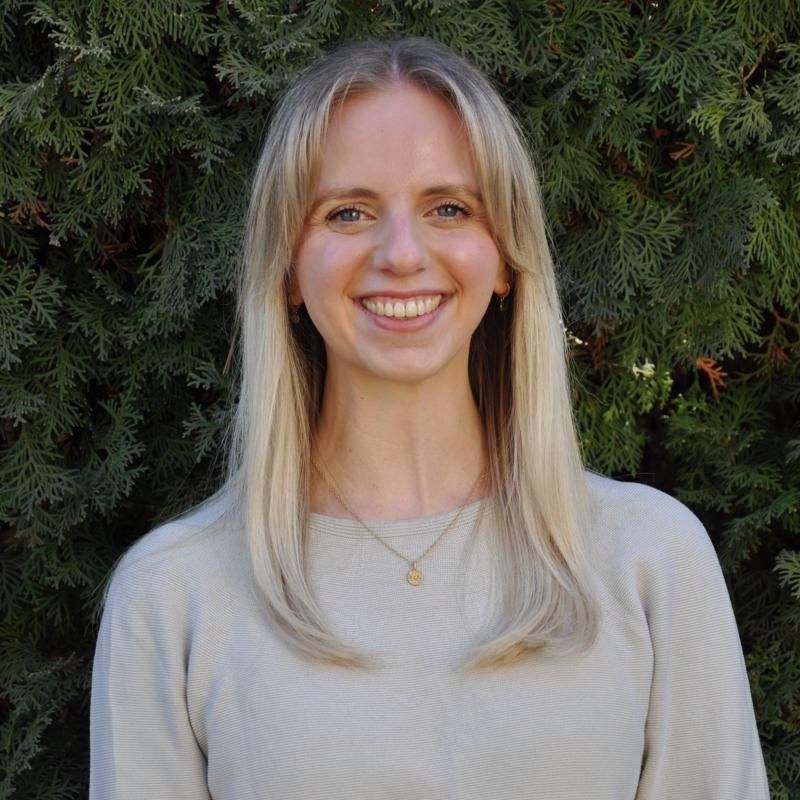
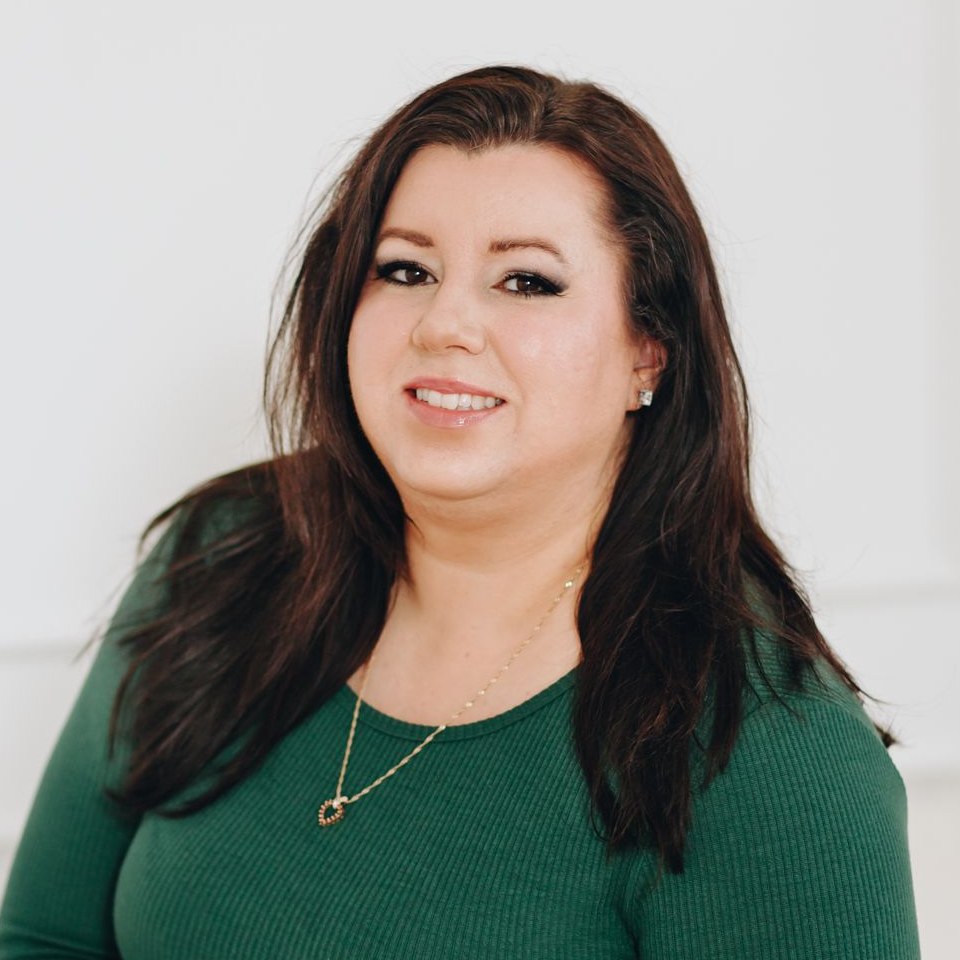
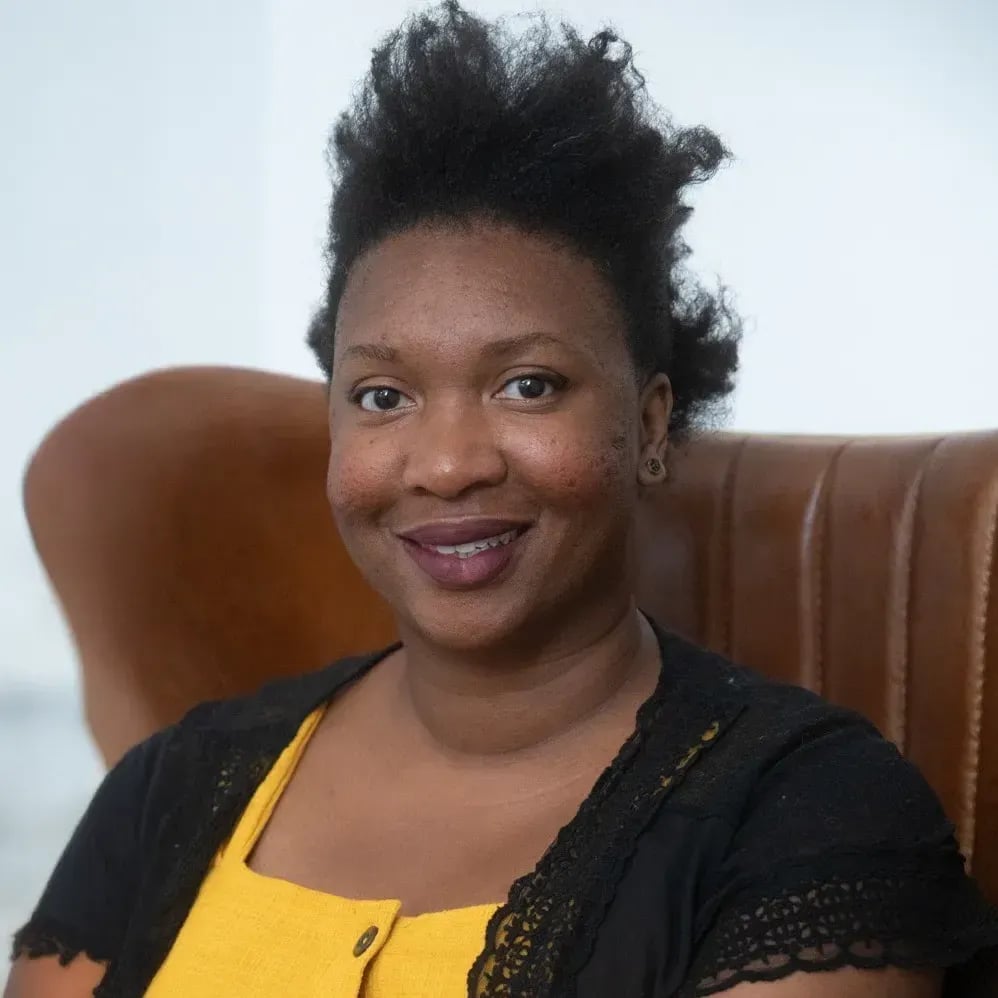
What is a BIPOC therapist?
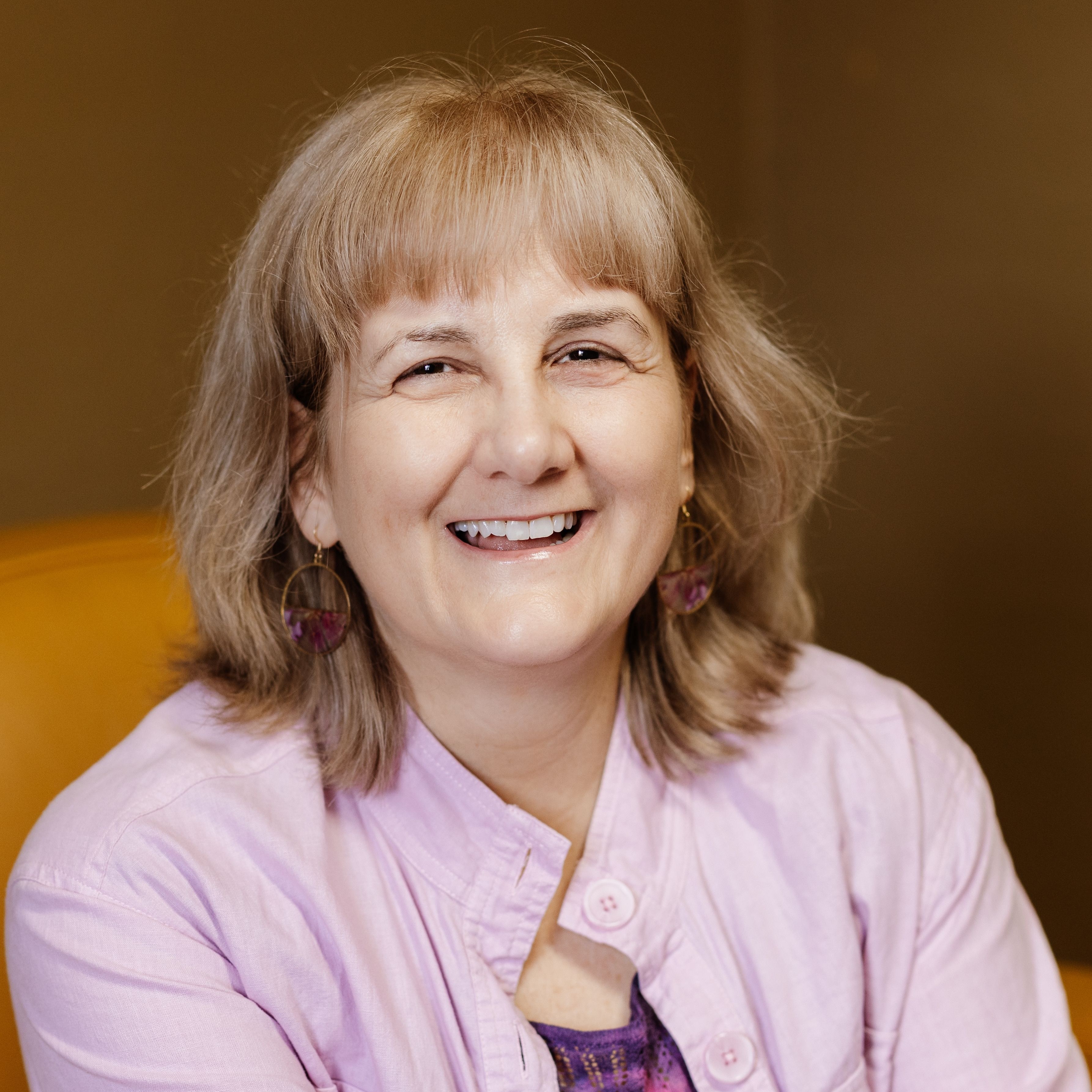
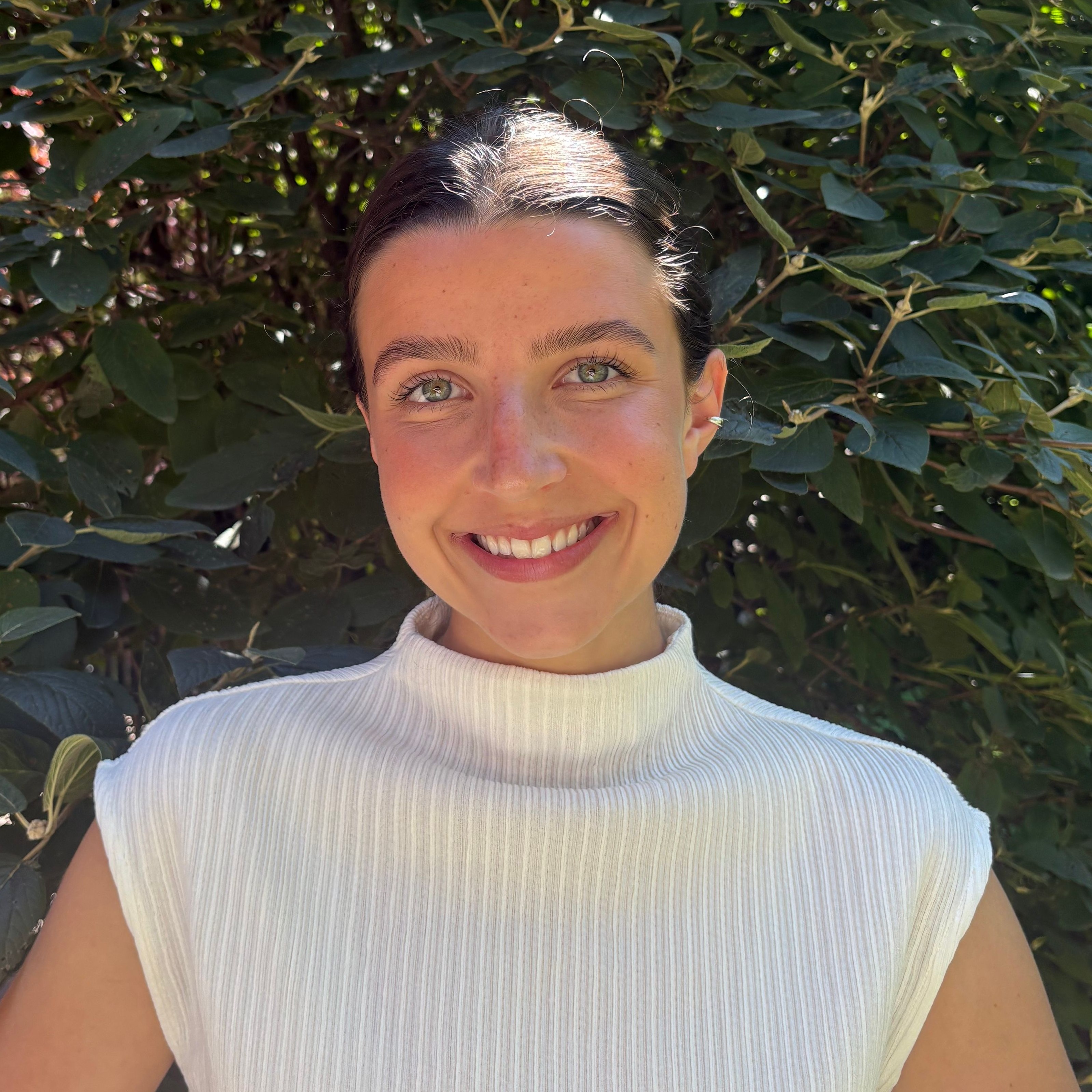
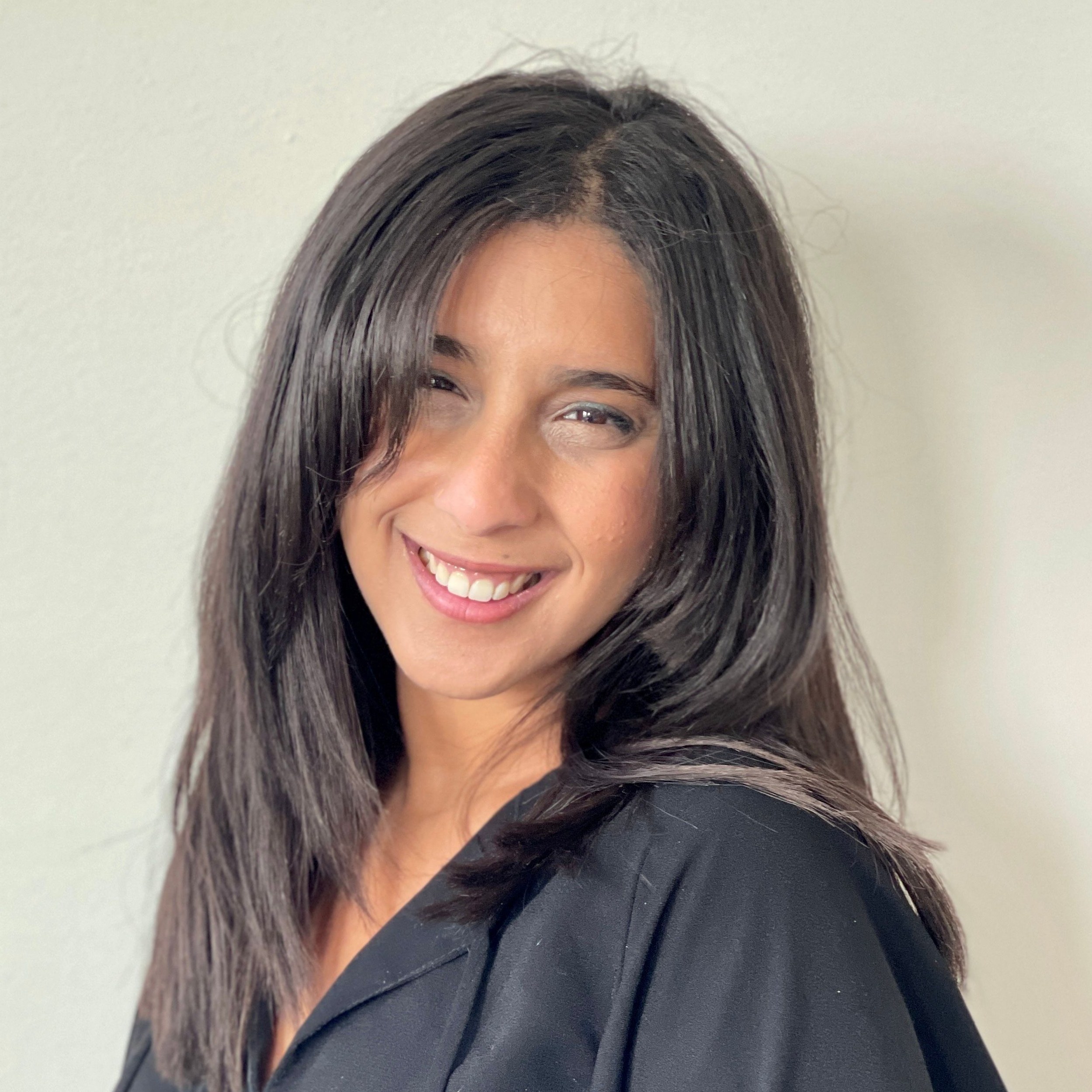
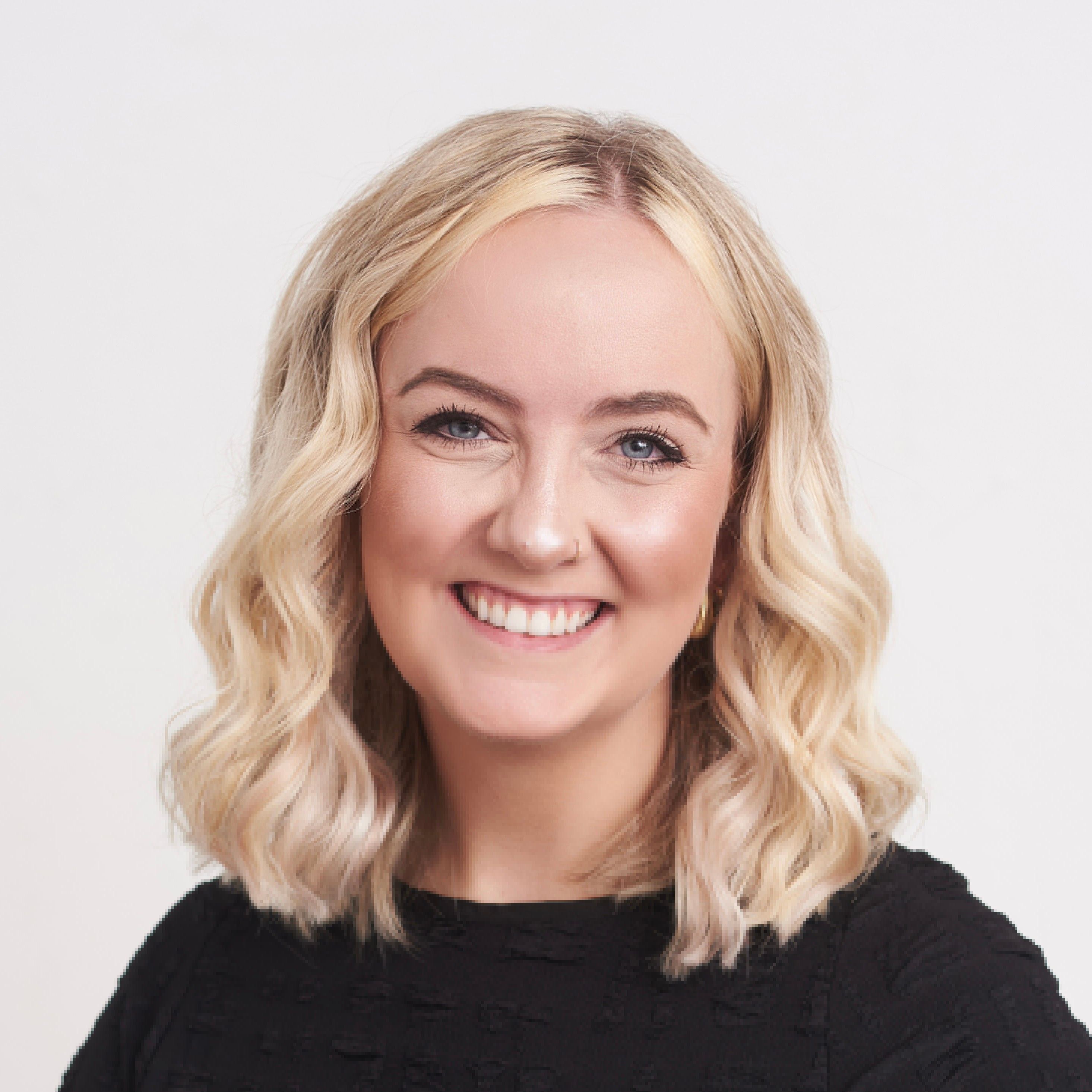
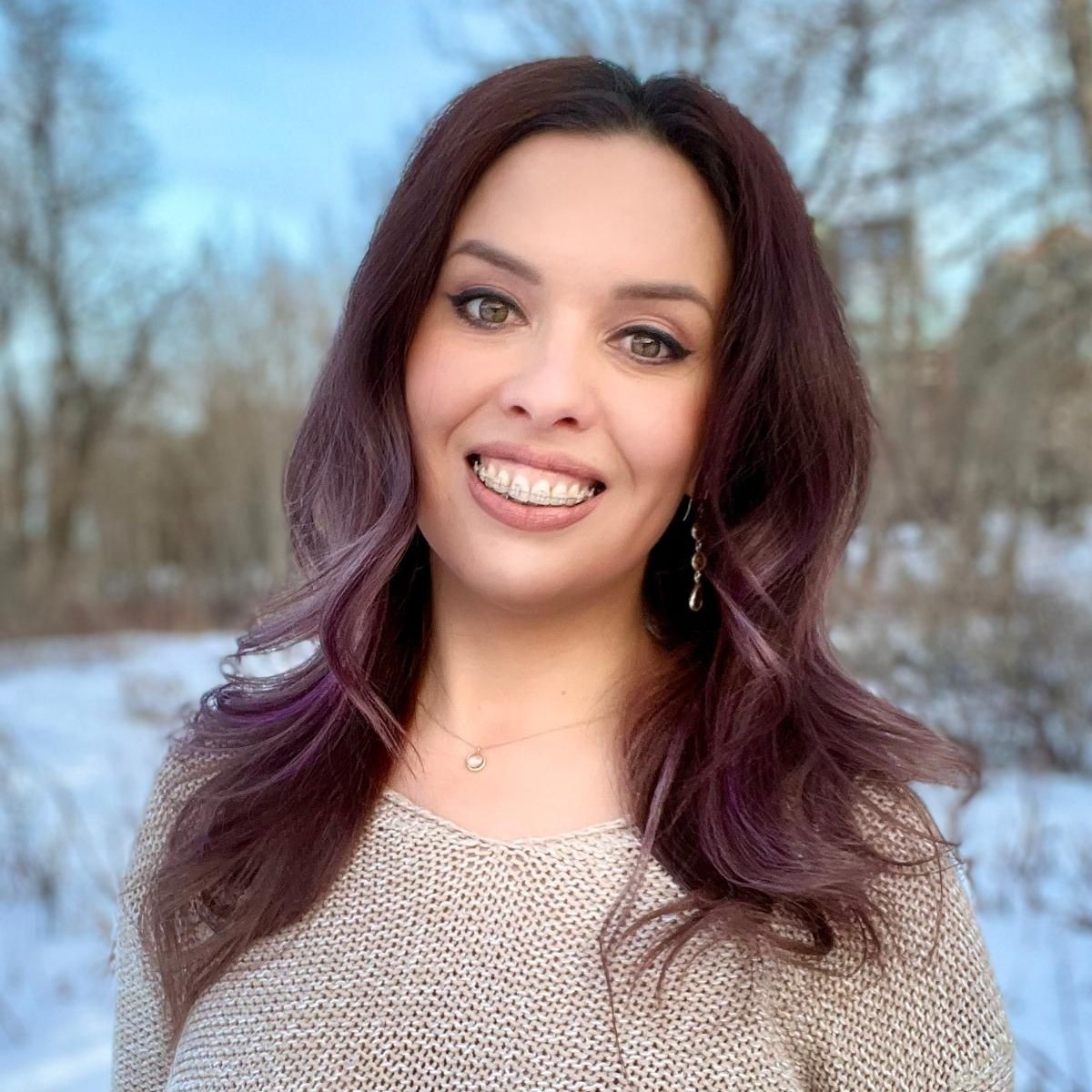
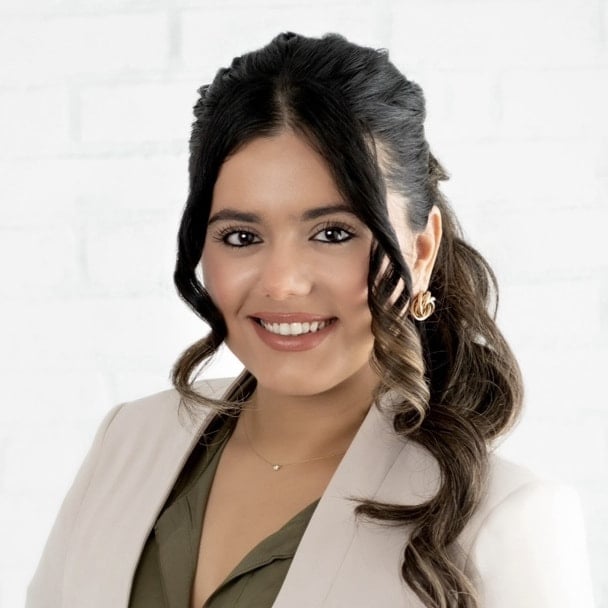
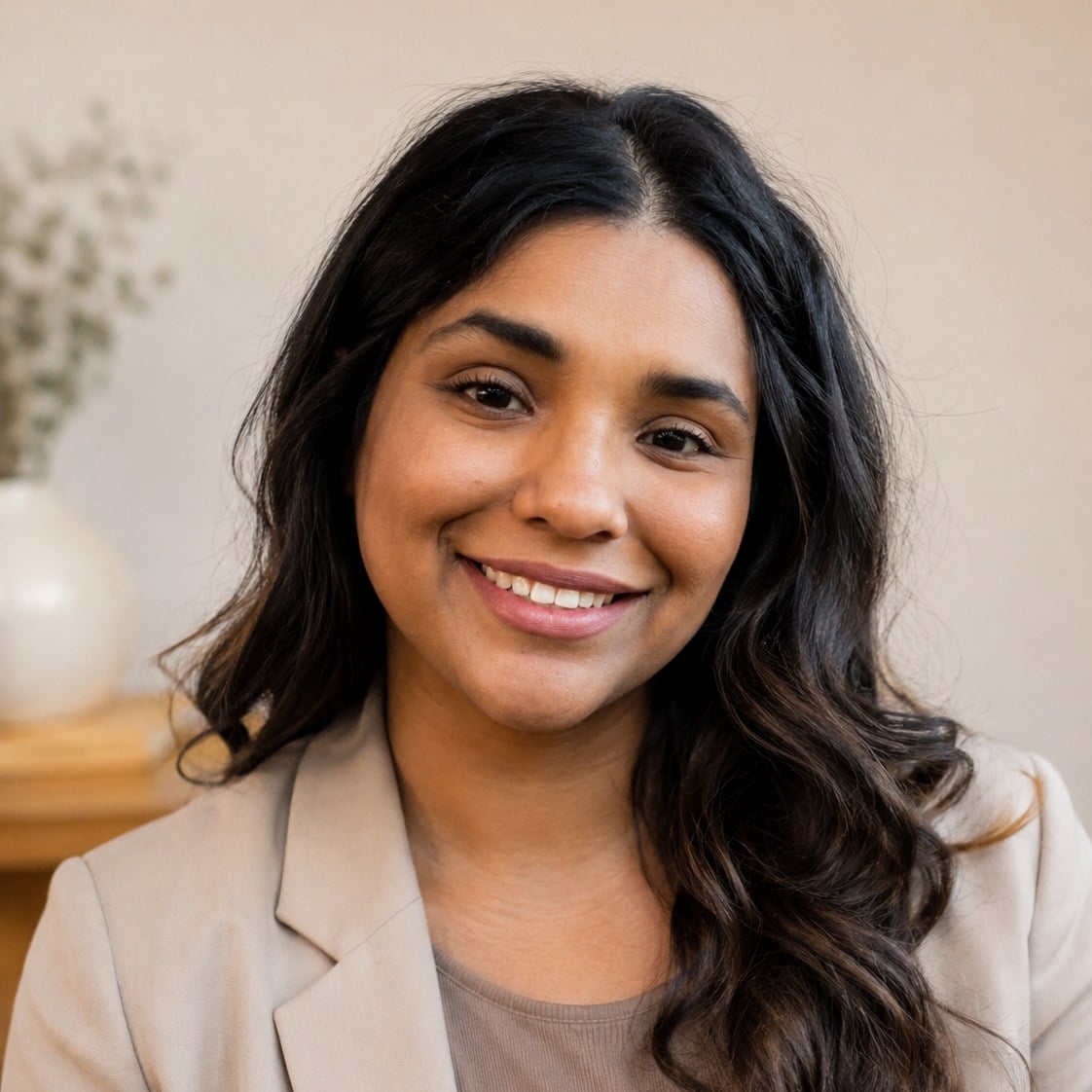
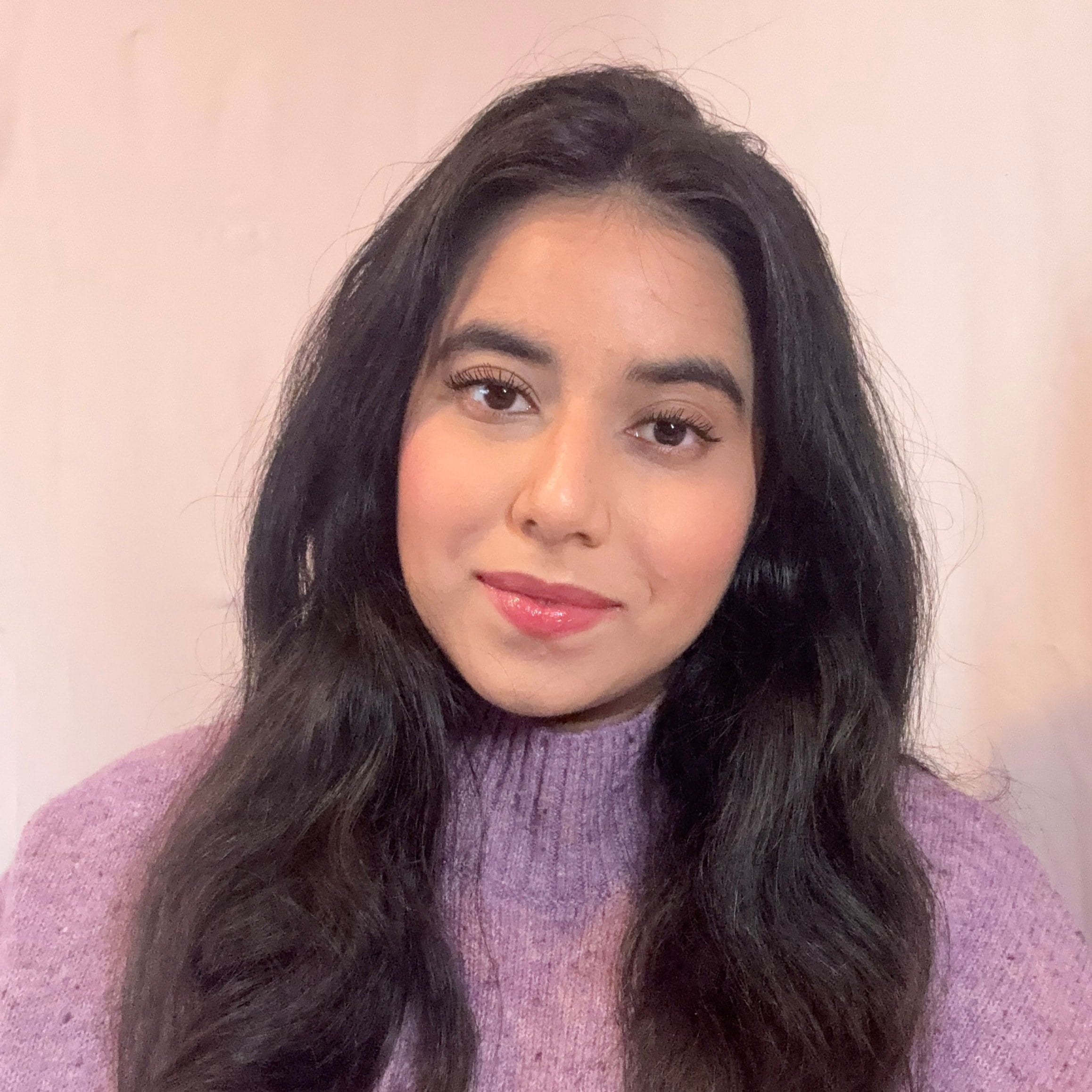
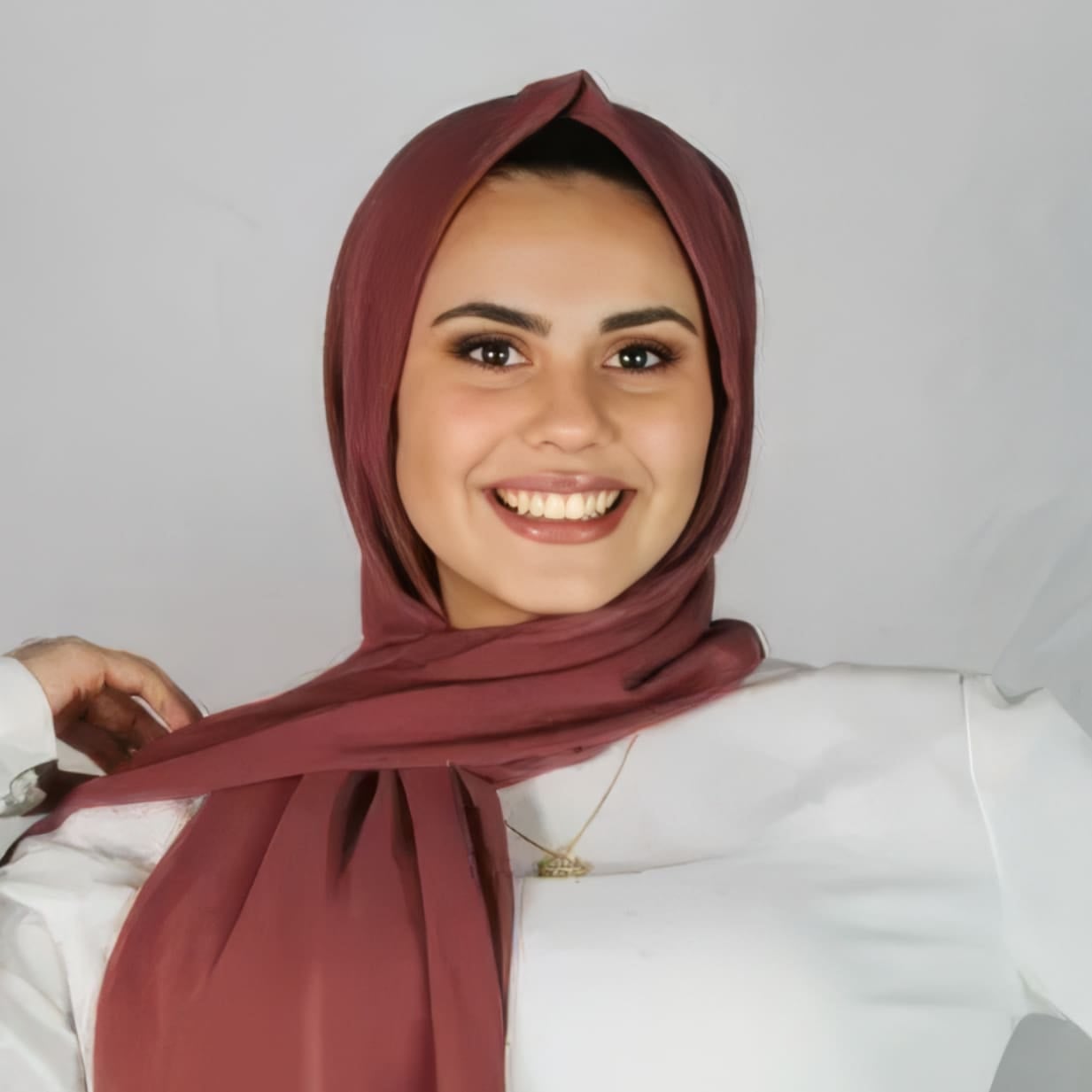
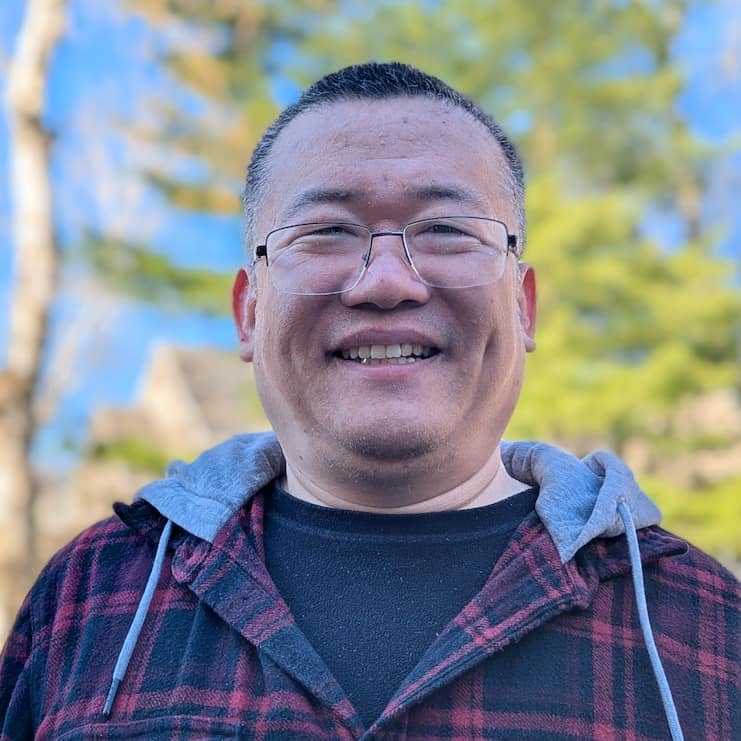
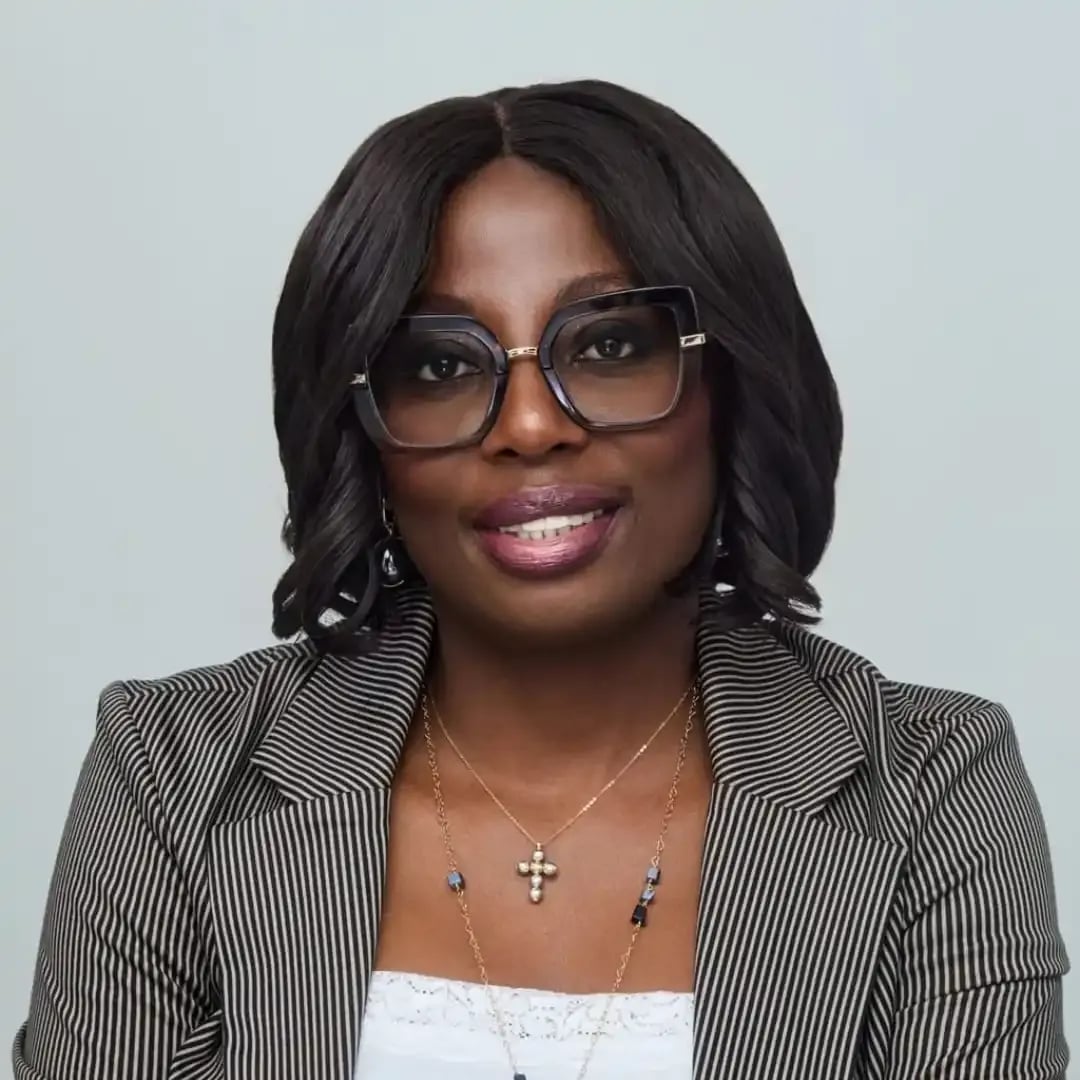
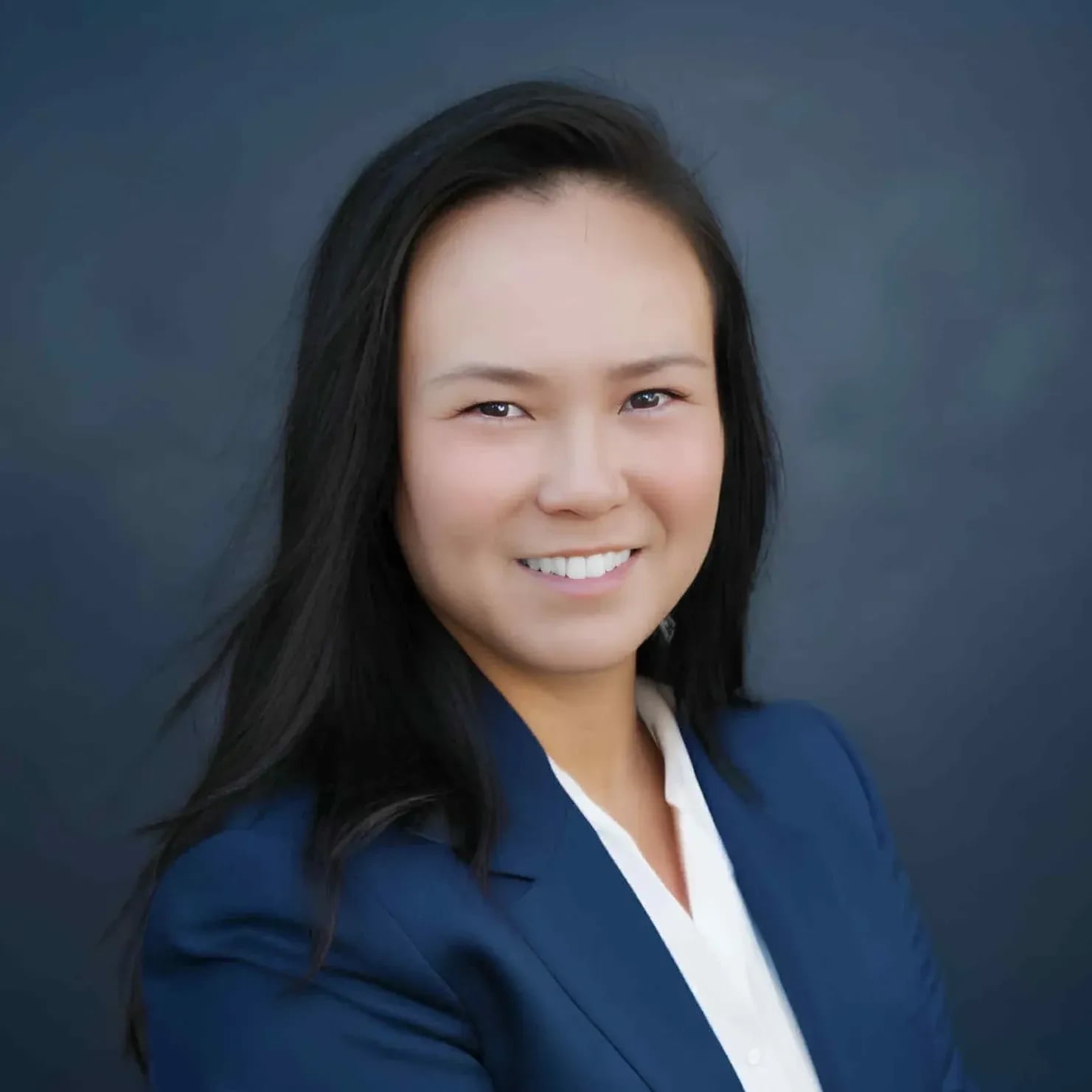
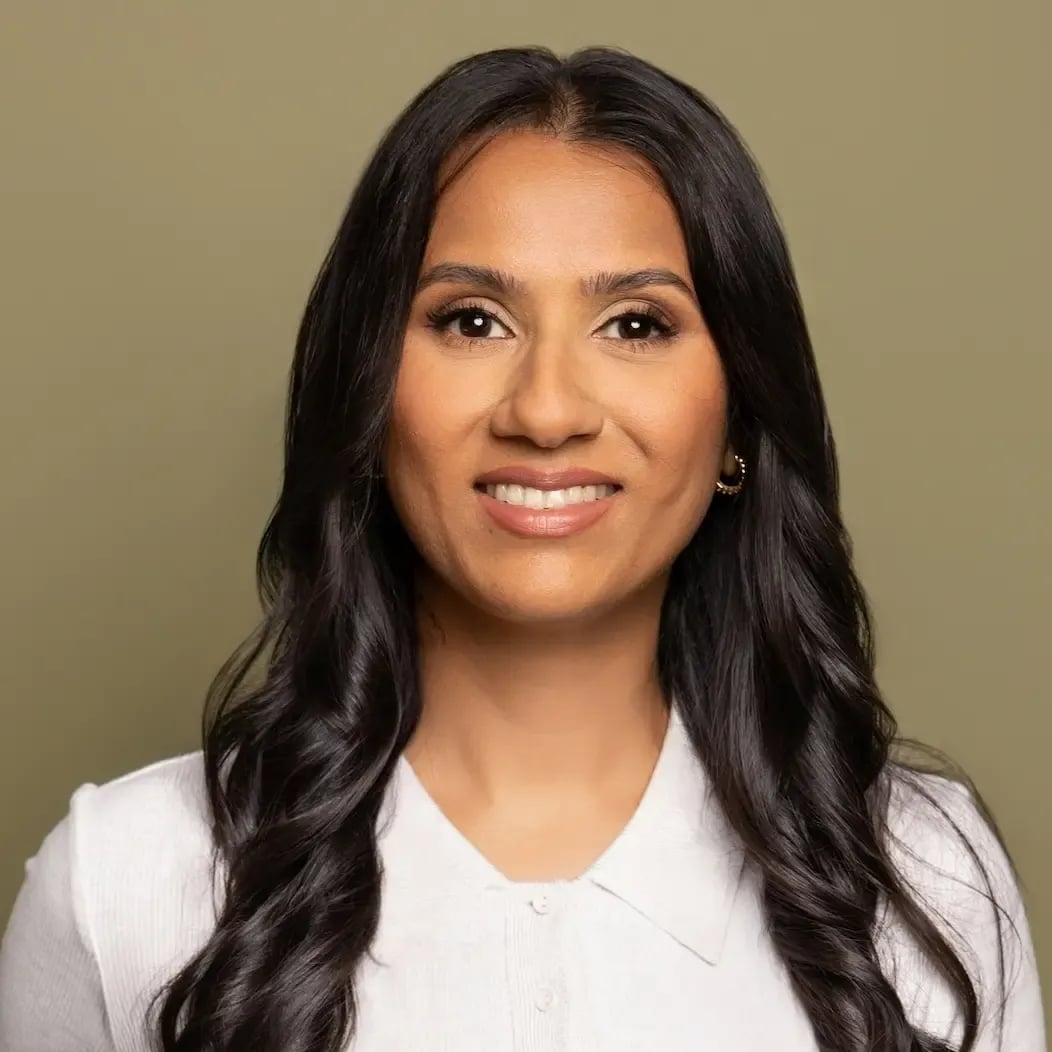
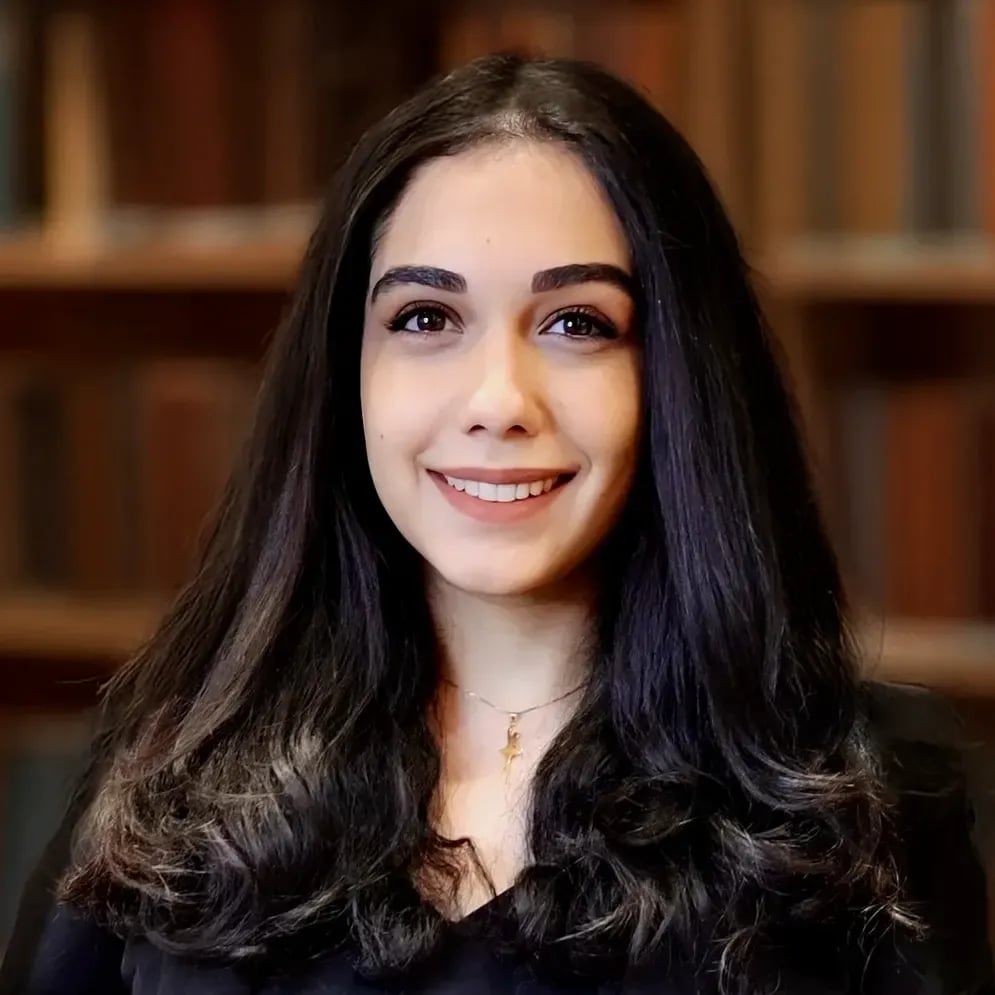
BIPOC stands for Black, Indigenous and people of colour. On First Session, therapists describe their lived experience and background on their profile, so you can read it before you book.
Some people choose this match so they can spend less time explaining context. Racism, immigration, faith and family expectations can take less setup when the therapist already knows the territory.
A bio lists training, but it cannot show how someone speaks or listens. First Session films therapists for that reason, and the short intro video helps you judge comfort before you commit.
What to know about BIPOC therapy in Edmonton
Online and in person
A BMC Psychology article cited by First Session found that online counselling can be as effective as face-to-face counselling. The online listings above include therapists from other provinces who are insured to provide care in Alberta.
That widens the range of backgrounds and languages you can choose from. Therapists use Mountain Time unless they note otherwise.
Credentials in Alberta
The Alberta College of Social Workers says only registered social workers can use the protected title of social worker under the Health Professions Act. Psychologists register with the College of Alberta Psychologists, according to a Government of Alberta overview.
The Association of Counselling Therapy of Alberta said in September 2025 that regulation of counselling therapists under the College of Alberta Psychologists was not yet in place. Each profile shows the therapist's license and designation.
Cost and insurance
One Edmonton clinic lists a recommended fee of $200 per 50 minutes. First Session's FAQ for this page puts sessions at $80 to $200 for 50 minutes, and some therapists offer sliding-scale fees.
Sun Life reports that new standard extended health plans from May 12, 2024 cover psychotherapists and clinical counsellors, sharing maximums with psychologists and social workers.
Culturally specific supports in Edmonton
On February 24, 2025, the Government of Canada held an announcement about improving mental health access for Black Canadians at the Africa Centre in Edmonton.
Indigenous Services Canada runs the Hope for Wellness Help Line for First Nations and Inuit people. It offers culturally competent counselling by phone at 1 855 242-3310, 24 hours a day.
How to choose a BIPOC therapist in Edmonton
1Read the lived-experience line first
See how the therapist describes their background and why they do this work. Then match it to what you want to talk about, such as racism at work, immigration, faith or family.
2Watch the intro video
Notice the pace, tone and warmth. Ask yourself whether you could say something difficult to this person. Pick two or three videos that feel right and compare them.
3Match the designation to your benefits
Profiles name each designation, such as registered psychologist, registered social worker or registered clinical counsellor. Compare it with the practitioners your plan lists in the benefits booklet or on the insurer's site.
4Use the free 15-minute consultation
Ask how the therapist has worked with clients who share your background and which approach they would use for your concern. Ask about their training in culturally responsive care if that matters to you.
Looking for something more specific?
Filter by specialty in Edmonton
Therapists in Edmonton
Anxiety therapists in Edmonton
Trauma therapists in Edmonton
Depression therapists in Edmonton
Other ways to filter in Edmonton
LGBTQIA+ therapists in Edmonton
Female therapists in Edmonton
Elsewhere in Alberta
Therapists in Alberta
Therapists in Calgary
BIPOC therapists in other cities
BIPOC therapists in Calgary
BIPOC therapists in Winnipeg
Helpful reading
How to find a therapist covered by insurance in Canada
Online vs in-person therapy
What is sliding scale therapy?
How we vet our therapists and counsellors
What makes a good therapist