Find an Attachment Wounds Therapist
Connect with therapists across Canada who support people working through attachment wounds. Watch their intro videos to find someone who feels like the right fit before you book.
Benjamin Weidman
.jpeg)
Benjamin Weidman
Arooj Rehman
.jpeg)
Arooj Rehman
Olivia Johnson
-(1).jpeg)
Olivia Johnson
Mendy Bisk
.jpeg)
Mendy Bisk
Samantha Rajchel
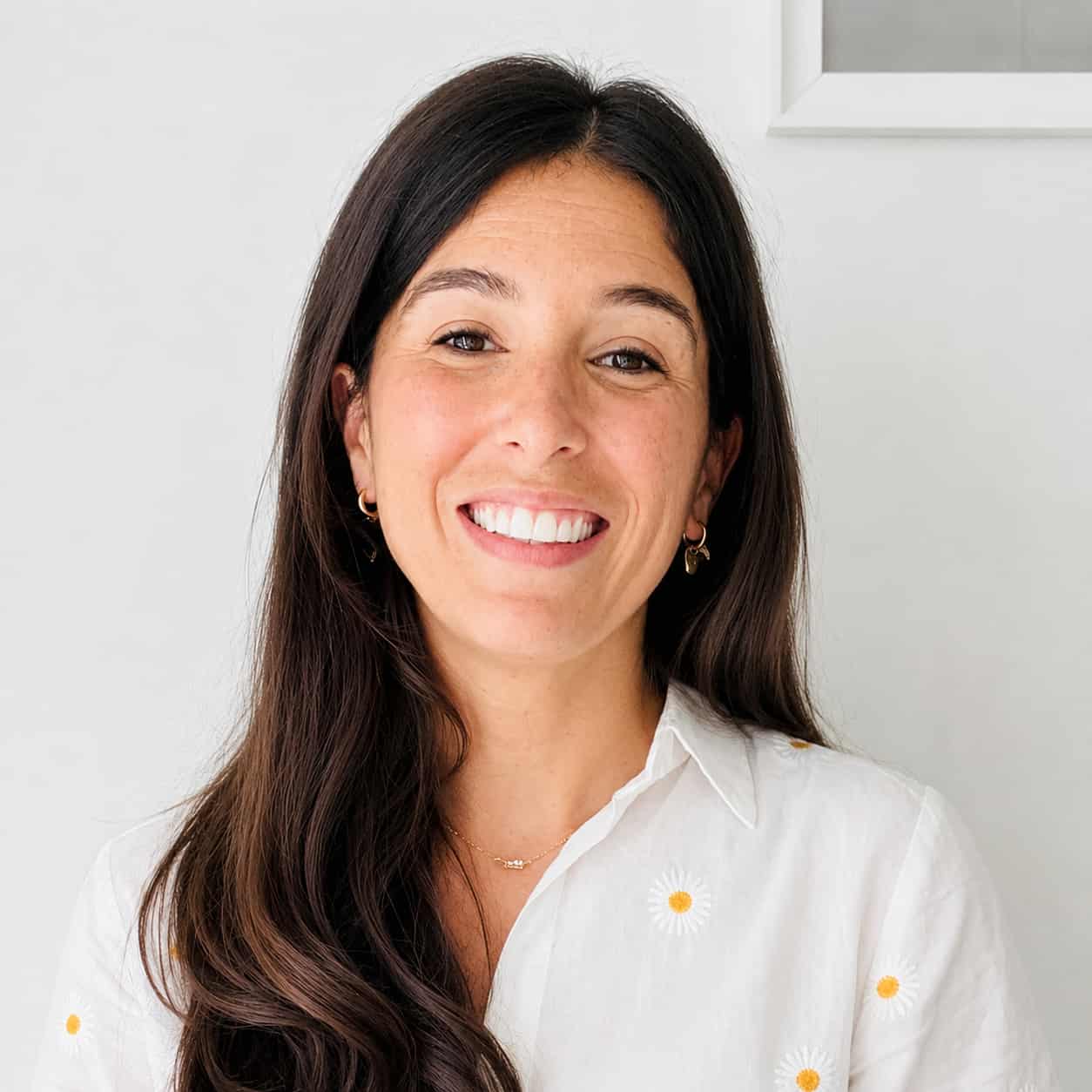
Samantha Rajchel
Kerri Read
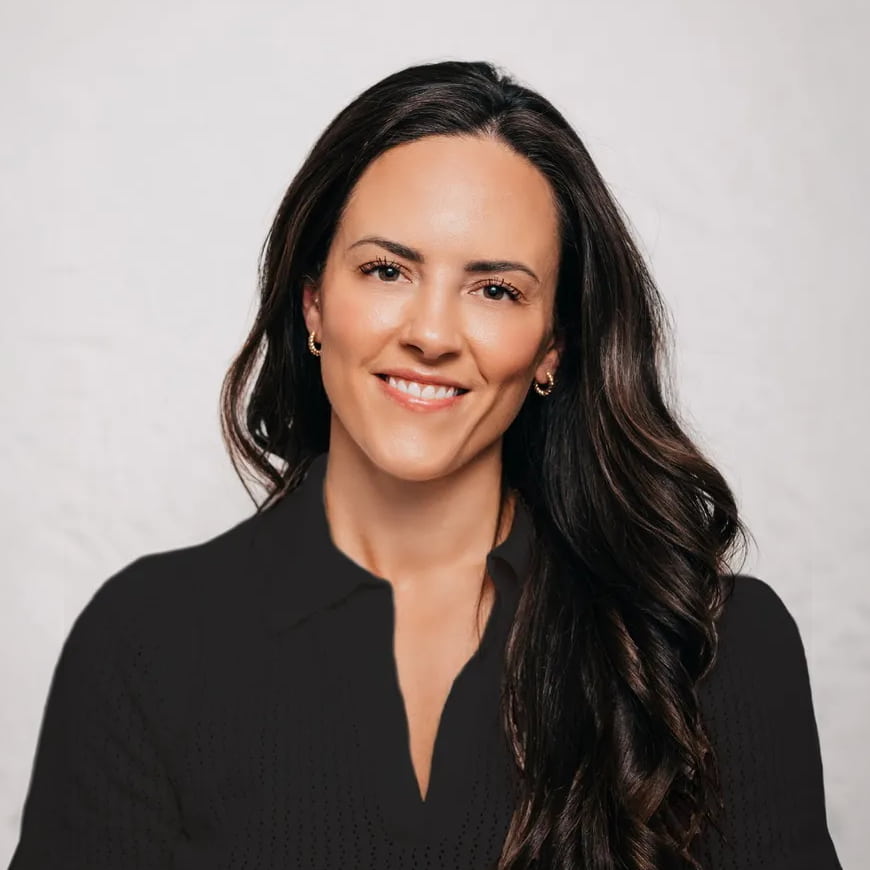
Kerri Read
Holly Gunn
.webp)
Holly Gunn
Marco Milani
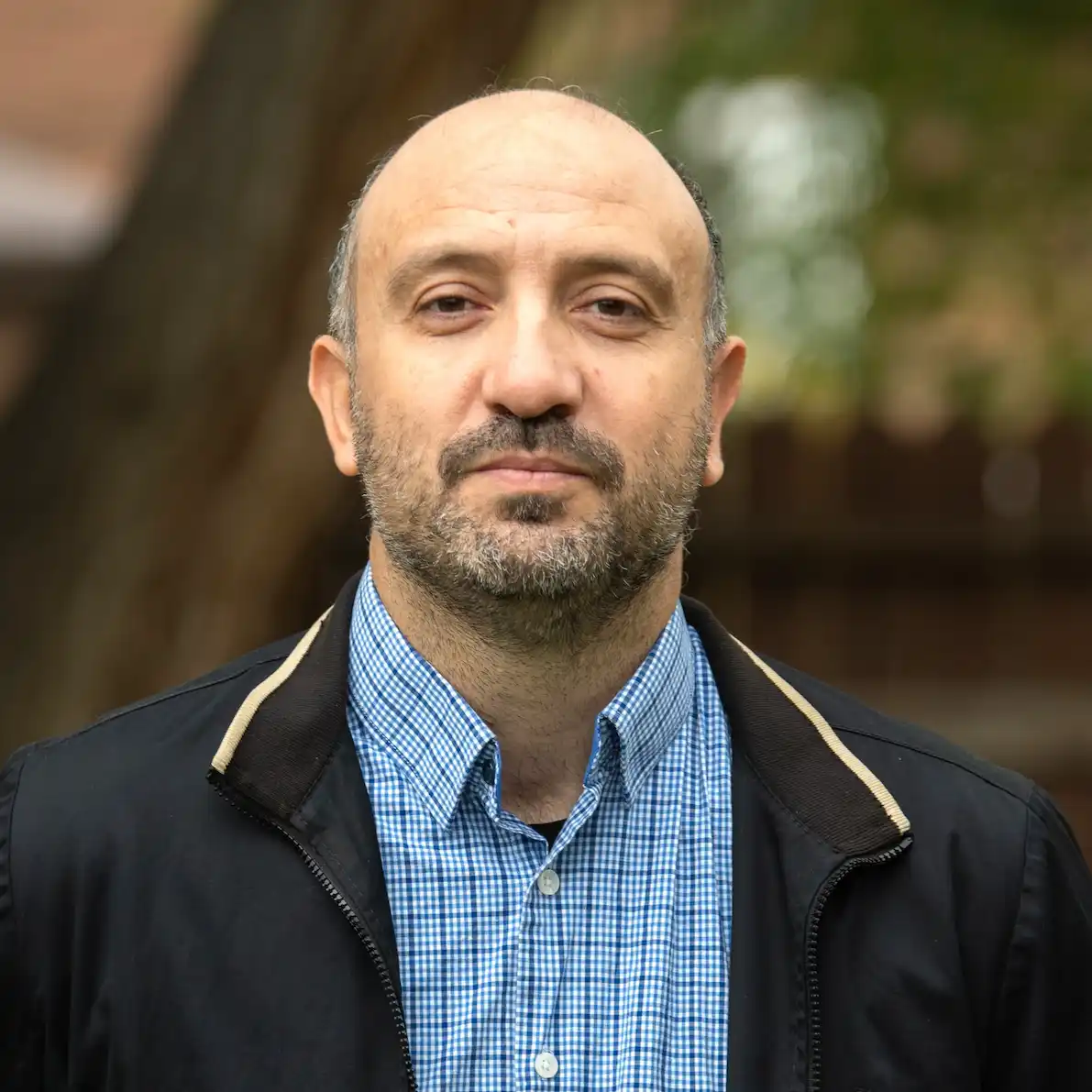
Marco Milani
Erik Reuter
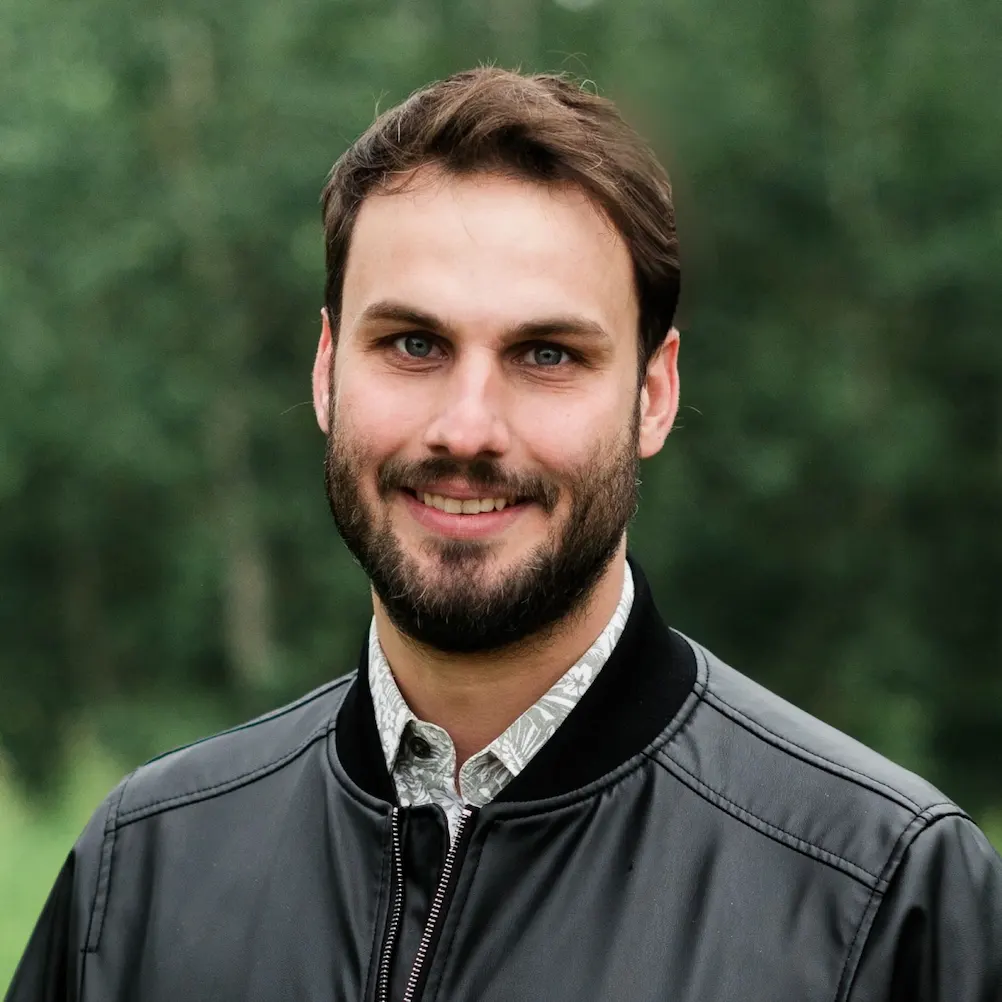
Erik Reuter
Natalie Saroya
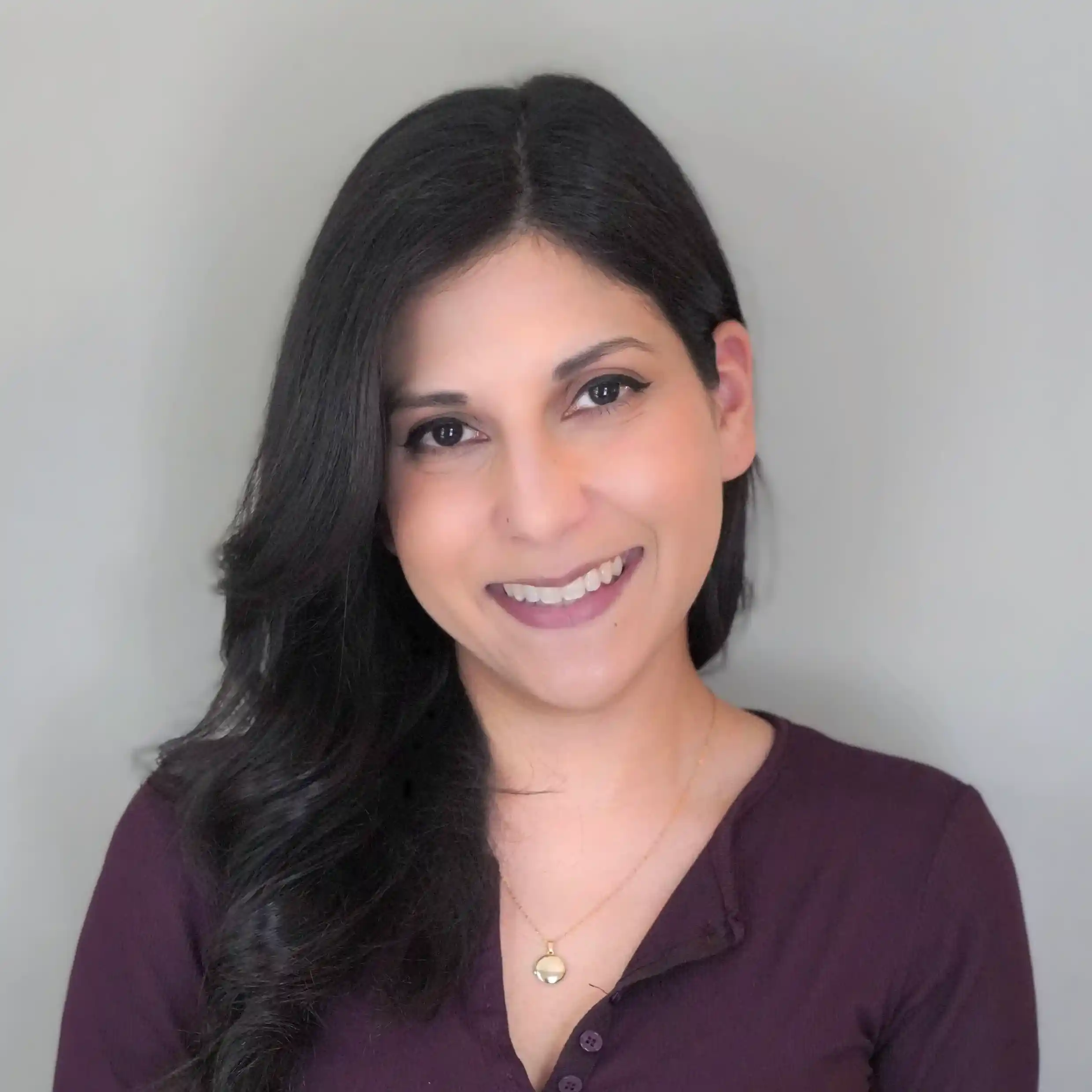
Natalie Saroya
Hayley Sarjeant
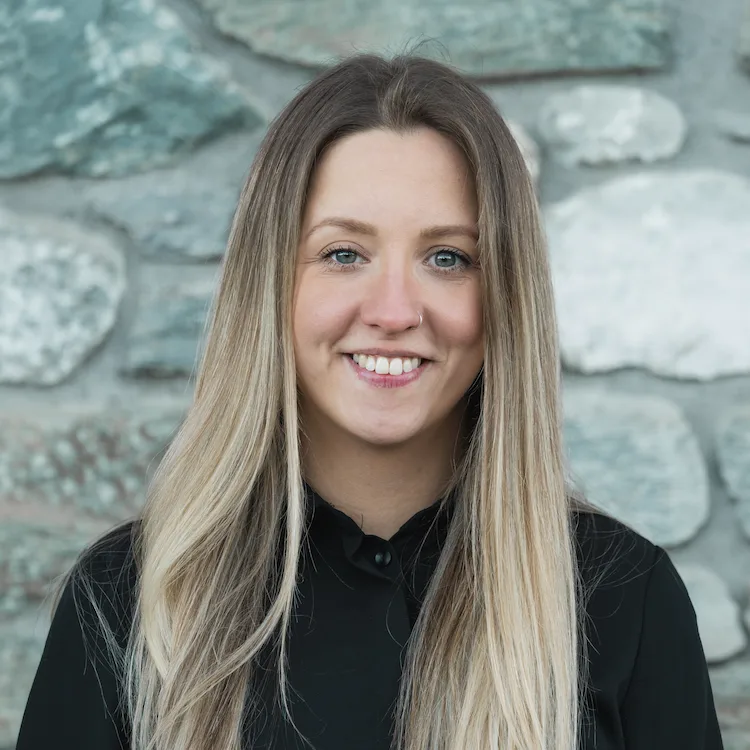
Hayley Sarjeant
Saba Salemi

Saba Salemi
Victoria Gabriele

Victoria Gabriele
Emily Hiram
.webp)
Emily Hiram
Shelley Quan
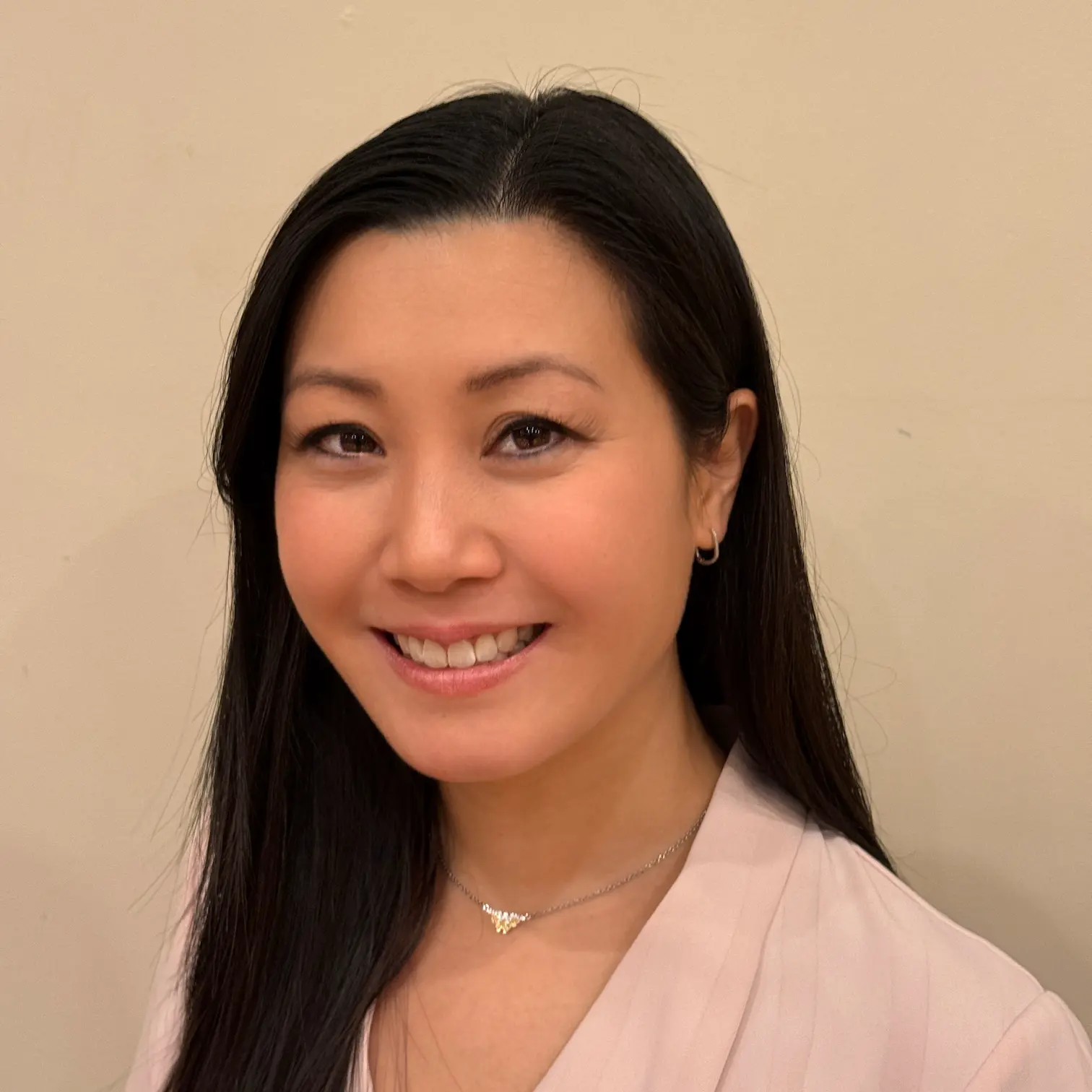
Shelley Quan
Hanna Verhagen
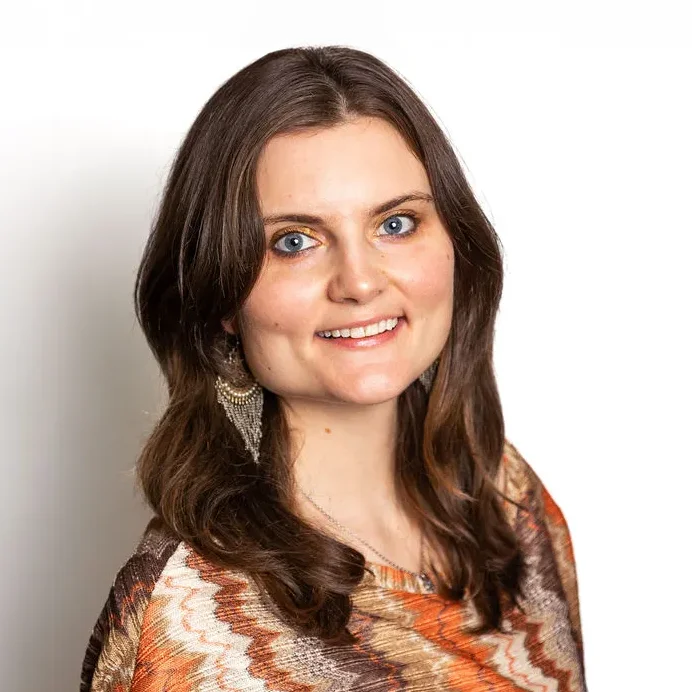
Hanna Verhagen
Nisha Thakkar

Nisha Thakkar
Aimee Pudifin
Aimee Pudifin
Lacey Clarke

Lacey Clarke
Aditi Pathare
Aditi Pathare
Tanya Deutsch
-Cropped.webp)
Tanya Deutsch
Dylan Fry

Dylan Fry
Michelle Brewer
-(1)-Cropped.webp)
Michelle Brewer
Anna Loch

Anna Loch
Rima Sehgal

Rima Sehgal
Eda Mucaj

Eda Mucaj
Alexa Harder

Alexa Harder
Sofia Diaz

Sofia Diaz
Marie Schoppen

Marie Schoppen
Sheema Khan

Sheema Khan
Kaitlin Stephens
Kaitlin Stephens
Crystal Soares

Crystal Soares
Cayla Townes

Cayla Townes
Hana Urushizawa

Hana Urushizawa
Andrea Montello

Andrea Montello
Amy O'Coin
.webp)
Amy O'Coin
Nicholas Balaisis

Nicholas Balaisis
Natasha Sandy

Natasha Sandy
Erica Berman
Erica Berman
Dr. Chasidy Karpiuk
Dr. Chasidy Karpiuk
Renata Paula da Silva Roma
%20Cropped%20(2)%20(1).jpg)
Renata Paula da Silva Roma
Andrew Fawcett
Andrew Fawcett
Gwyneth Hodgins
Gwyneth Hodgins
Cassandra Fezzuoglio

Cassandra Fezzuoglio

Therapy is hard work.
Attachment wounds are emotional injuries that often form in early childhood when our needs for safety, connection, and nurturing were not consistently met. These experiences can shape our attachment style and influence how we relate to others in adulthood. People with attachment wounds may struggle with trust, fear rejection or abandonment, have difficulty with emotional closeness, or find themselves repeating unhealthy relationship patterns. Understanding these wounds is often the first step toward healing and building more secure connections.
Therapy for attachment wounds can help you understand how early experiences shaped your current relationship patterns. A therapist can provide a safe, consistent relationship where you can explore these patterns without judgment. Through this work, many people develop greater self-awareness, learn to recognize triggers and defensive responses, and gradually build capacity for healthier emotional connections. Therapy may also help you process grief related to what you needed but did not receive in early relationships.
Working on attachment wounds often involves exploring your early relationships and how they shaped your beliefs about yourself and others. This can bring up difficult emotions, so your therapist will work at a pace that feels manageable for you. You may examine patterns in your current relationships, learn about attachment styles, and practice new ways of relating. The therapeutic relationship itself often becomes an important part of healing, as it can offer a corrective experience of consistent, attuned connection.
Finding the right therapist for attachment work is important, as the relationship itself is central to healing. On First Session, you can browse therapists who have experience supporting people with attachment concerns. Watch their intro videos to get a sense of their warmth, style, and approach before booking. Look for someone who feels safe and whom you can imagine opening up to over time. Many therapists also offer a free consultation so you can ask questions before committing.
Therapy for attachment wounds may be helpful if you notice recurring patterns in your relationships that cause distress, such as difficulty trusting others, fear of abandonment, avoidance of emotional intimacy, or choosing partners who are emotionally unavailable. You might also benefit if you experienced neglect, inconsistency, or trauma in early relationships and sense that these experiences still affect you. A therapist can help you explore whether attachment-focused work would be beneficial for your specific situation.
Getting started is straightforward. Browse therapists on First Session and use filters to find those who work with attachment and relational concerns. Watch intro videos to find someone whose approach resonates with you. When you find a good match, you can book directly through their profile. If you are unsure about therapy costs or what to expect, many therapists are happy to answer questions in an initial consultation. Taking this first step is often the hardest part, and it is okay to move at your own pace.