What It’s Like Working With a South Asian Therapist
Growing Up South Asian in Canada: My Experience With Silence Around Mental Health
Growing up in a South Asian community in Canada, the words mental health landed at the dinner table about as smoothly as a surprise pop quiz. My parents, my grandparents, my entire extended family, no one talked about it.
If I hinted that I felt anxious or down, the usual response was a skeptical glance and someone saying, "Anxiety? Depression? That’s all in your head. You just need to toughen up. People these days are too soft."
My uncle loved to remind me how easy I had it compared to the real struggles he and our ancestors faced back home.
What I know now is that anxiety and depression are not signs of weakness. I have lived with both. They are not character flaws, and they are not things you can push through by willpower alone. They are real conditions, as real as a broken arm or a high fever, even if they are invisible to everyone else.
For years, I felt pulled between two worlds. I cherished my culture, the warmth, the laughter of huge family gatherings, the scent of chai filling the house. But I still carried my anxiety in silence, treating it like a secret I was supposed to hide.
What South Asian Really Means
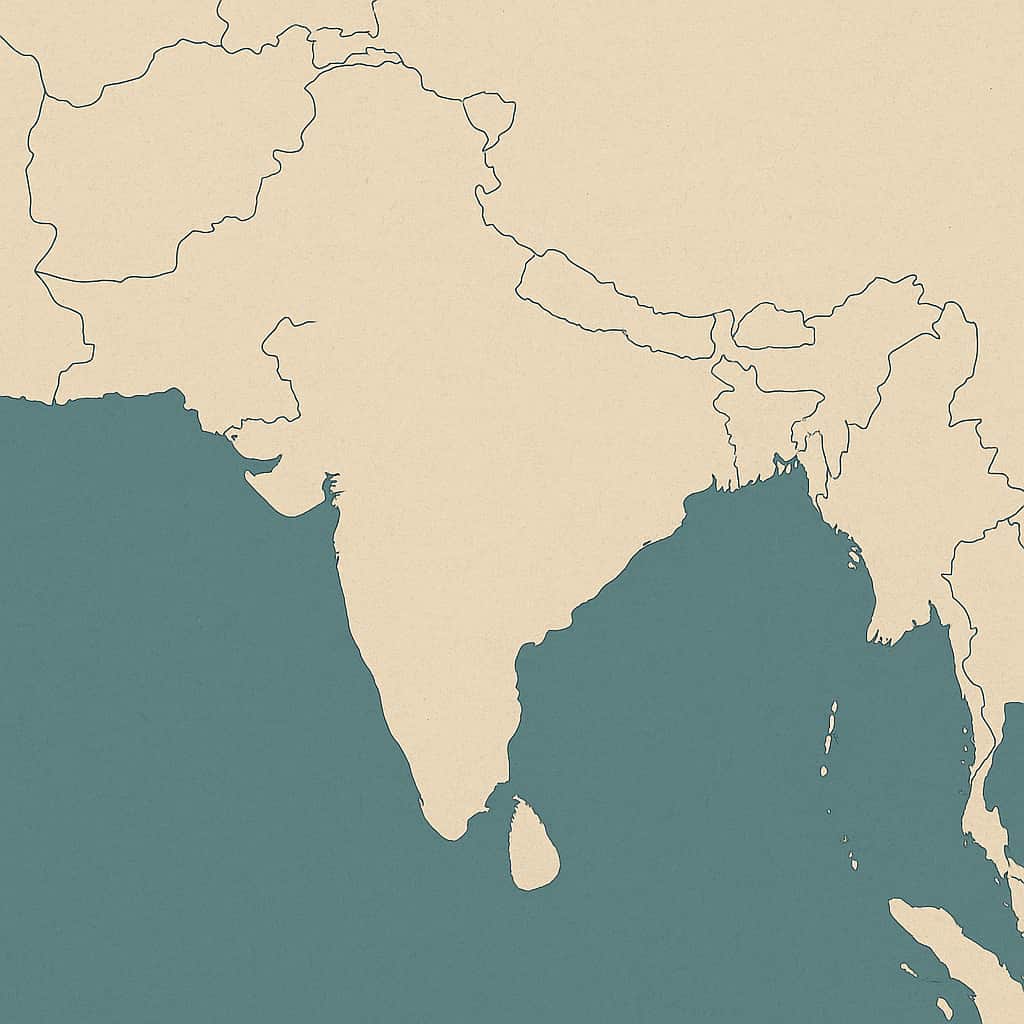
When I use the term South Asian, I am referring to people with roots in India, Pakistan, Bangladesh, Sri Lanka, Nepal, Bhutan, the Maldives, and often Afghanistan. We come from diverse languages, religions, and traditions, yet many of us share familiar themes: close-knit families, high expectations, cultural stigma around therapy, and a deep sense of responsibility to others.
To me, being South Asian means carrying the richness of our traditions, our family values, and our collective strength, while also navigating the unspoken expectations, pressures, and emotional complexities that shape how many of us move through the world.
The First Time I Felt Truly Understood in Therapy
Everything shifted when I finally spoke to a therapist who genuinely understood not just textbook anxiety, but the cultural heaviness that comes with it.
She knew why asking for help felt taboo. She understood why I felt torn between honouring my heritage and taking care of my mental health. She understood why I worried my parents might see therapy as being too Canadian.
She knew that in my house, conversations about feelings were often replaced with talk about cricket scores, grades, or upcoming weddings.
She offered more than sympathy. She offered empathy based on cultural understanding. There is nothing quite like feeling seen without judgment. Suddenly, therapy did not feel foreign or uncomfortable. It felt safe. It felt like being allowed to finally breathe.
Why Cultural Connection Matters in Therapy
Working with a South Asian therapist can make therapy feel less like translating your life story and more like actually exploring it.
Many South Asian clients tell me that with non-South Asian therapists, they spend the first few sessions explaining the basics:
- why mental health stigma is so strong
- why saying no to parents can feel impossible
- how extended families influence every decision
- why guilt, shame, tradition, and responsibility are so intertwined
A culturally attuned therapist, or one who shares your background, lets you skip the cultural crash course and get straight to what you are feeling.
A South Asian therapist can often:
- understand the guilt that comes with seeking help
- recognize the importance of prayer, tradition, or spirituality
- know the unspoken rules around keeping family matters private
- understand why a cousin’s wedding can bring both joy and enormous pressure
- appreciate the complexity of navigating identity in Canada
Marriage, Comparison and Pressure
Clients often tell me how relieving it is when I instantly understand why a cousin’s wedding can trigger anxiety. It is never just a wedding. It is the aunties’ comments, the comparisons, the questions about when it is your turn, and the quiet fear of disappointing your family.
Identity Between Cultures
Many clients also tell me it is comforting to talk to a South Asian therapist who has lived across cultures. They will say, "You get what it is like to be in-between, to love your culture but still struggle with its expectations."
The Personal Reason I Became a Therapist
Looking back, I recognize how many cultural and emotional barriers I faced on my own path to healing. It is a major part of why I entered this profession.
I want to be the kind of therapist who understands these roadblocks firsthand because I have lived them. My hope is to help South Asian Canadians access therapy without shame, fear, or confusion.
No one should feel unseen or misunderstood because of where they come from or what their family believes.
The Themes South Asian Clients Often Bring to Therapy
Across Indian, Pakistani, Bangladeshi, Sri Lankan, Nepali, and Afghan clients, I see common patterns:
- academic and career pressure
- parent-child enmeshment or difficulty with boundaries
- guilt when prioritizing personal needs
- stigma around therapy or medication
- dating, marriage, or interfaith relationship struggles
- immigration and identity conflict
- caretaking roles placed on eldest sons or daughters
Example: Academic and Career Pressure
One theme I see often is academic pressure. I have had clients tear up describing how, even as adults, they still hear a parent's voice saying, "95 percent is good, but why not 98 percent." I relate to this deeply. Growing up, achievement was not just success, it was proof of your worth. So when clients talk about choosing a career that feels right instead of one that simply sounds respectable, I understand the internal conflict immediately.
Example: Immigration and Identity Conflict
I often hear about identity conflict, feeling too Canadian at home and too traditional outside of it. I have lived in different countries myself, so when someone says, "I feel like I never fully belong anywhere," I understand that tug of war. Carrying multiple cultures inside you, constantly adjusting and translating yourself, is something I recognize in my own journey too.
What Therapy Looks Like With Me
As a Pakistani-Canadian therapist, I integrate cultural context into evidence-based approaches, including:
- Emotion Focused Therapy
- Trauma-informed care
- Attachment-based work
- Self-compassion practices
- Narrative therapy
My role is not to tell you to abandon your culture or follow it blindly. Instead, I help you explore how your identity, family dynamics, faith, and values shape your emotions and relationships.
Together, we work on reducing shame, making space for your needs, and finding a balance between independence and community.
These approaches tend to resonate deeply with many South Asian clients because they honour both emotion and context. Many of us grew up being taught to suppress feelings, prioritize family needs, and avoid conflict. Modalities like EFT and attachment-based work help clients reconnect with emotions they were never allowed to express. Trauma-informed and self-compassion practices can reduce shame, while narrative therapy helps clients separate who they are from the roles and expectations placed on them. This creates space for healing in a way that respects cultural values rather than dismissing them.
Do You Need a Therapist From Your Own Culture
Not necessarily. Many people have powerful therapy experiences with therapists from completely different backgrounds.
But for South Asian clients, a cultural match can reduce shame, increase safety, create faster rapport, and reduce the need to explain your cultural context. It is not about exclusivity. It is about ease.
How to Find a South Asian Therapist in Canada
If you are looking for a South Asian therapist in Canada, here are a few tips:
- Clarify what cultural familiarity matters to you.
This might include language, gender, religion, family dynamics, shared experience, or understanding of collectivist values.
You can learn more general guidance in our page on how to find a therapist. - Look for therapists who reference cultural identity in their bios.
Notes about immigration, diaspora experiences, extended family dynamics, or culturally specific issues can signal fit. - Browse therapists on First Session.
You can explore therapists from a variety of cultural backgrounds here. - Book a free consultation.
Hearing a therapist’s voice and asking about their experience with South Asian clients is one of the best ways to know if it is a fit.
If you want to find an in-person therapist, you can find one here.
If insurance coverage is important, this guide may help: How to find a therapist covered by insurance.
Final Thoughts: Therapy as Finding Home
If you are South Asian and struggling with your mental health, know this: your feelings are valid, and you deserve support that recognizes where you come from.
When therapy fits your lived experience, it is not just about healing. It is about finding home.
For me, helping remove cultural barriers to mental health care is both a responsibility and a privilege I hold close to my heart.
South Asian Therapists on First Session
If you are looking for a South Asian therapist in Canada, here are clinicians on First Session who share South Asian backgrounds, languages, cultural context, or community experience. Each profile includes a video introduction and a free consultation option.
Nayab Tahir (author of this post)
A Pakistani-Canadian psychotherapist whose work integrates cultural identity, intergenerational dynamics, and trauma-informed care. She supports clients navigating anxiety, family pressure, and the complexities of living between cultures.
Divya Gulati
Divya is an Indian-Canadian therapist who works with anxiety, burnout, self-esteem, and relationship stress. She supports clients through a culturally attuned lens and offers counselling in English and Hindi.
Monica Andrus
Monica specializes in trauma, identity, and emotional regulation. She brings lived South Asian context to her work, helping clients navigate complex family systems and cultural expectations.
Shannon Gagnon
Shannon works with adults navigating stress, life transitions, and identity development. She brings a warm, relational approach and is experienced in supporting South Asian clients exploring belonging and self-worth.
Alicia Panchal
Alicia supports clients dealing with anxiety, perfectionism, and family-related stress. She incorporates mindfulness and culturally responsive therapy to help clients reconnect with themselves.
Nisha Thakkar
Nisha specializes in anxiety, relationship challenges, and immigrant family dynamics. Her South Asian background informs her culturally sensitive and strengths-focused style.
Nisha Sangwan
Nisha works with adults navigating trauma, self-worth, and life transitions. She brings an understanding of collectivist family structures and the pressures many South Asian clients carry.
Sheema Khan
Sheema’s work is grounded in attachment, cultural identity, and healing from emotional wounds. She supports South Asian clients who feel stuck between cultural values and personal needs.
Samudyatha Hiremagalore
Samudyatha specializes in anxiety, academic pressure, and work stress. She integrates cultural insight into therapy, helping South Asian clients navigate expectations, burnout, and identity tension.
Tarni Kaur
Tarni offers trauma-informed counselling with an emphasis on self-compassion, identity, and emotional safety. She supports South Asian clients managing shame, family pressure, and intergenerational patterns.
Aditi Pathare
Aditi works with clients navigating anxiety, self-esteem, and cultural identity. Her approach blends narrative therapy and mindfulness, supporting clients who feel pulled between competing expectations.
Natasha Mano
Natasha focuses on trauma, relationship patterns, and emotional resilience. She brings cultural understanding to her sessions, helping clients explore boundaries, belonging, and personal freedom.
Rima Sehgal
Rima’s work centres on trauma recovery, self-worth, and healthy relationships. She supports South Asian clients who want to understand themselves outside of roles, expectations, and intergenerational narratives.