
First Session home

Applied Polyvagal Theory Therapists

Applied Polyvagal Theory explores the connection between your nervous system and emotional wellbeing. First Session can help you find a therapist who uses this approach.

Therapists

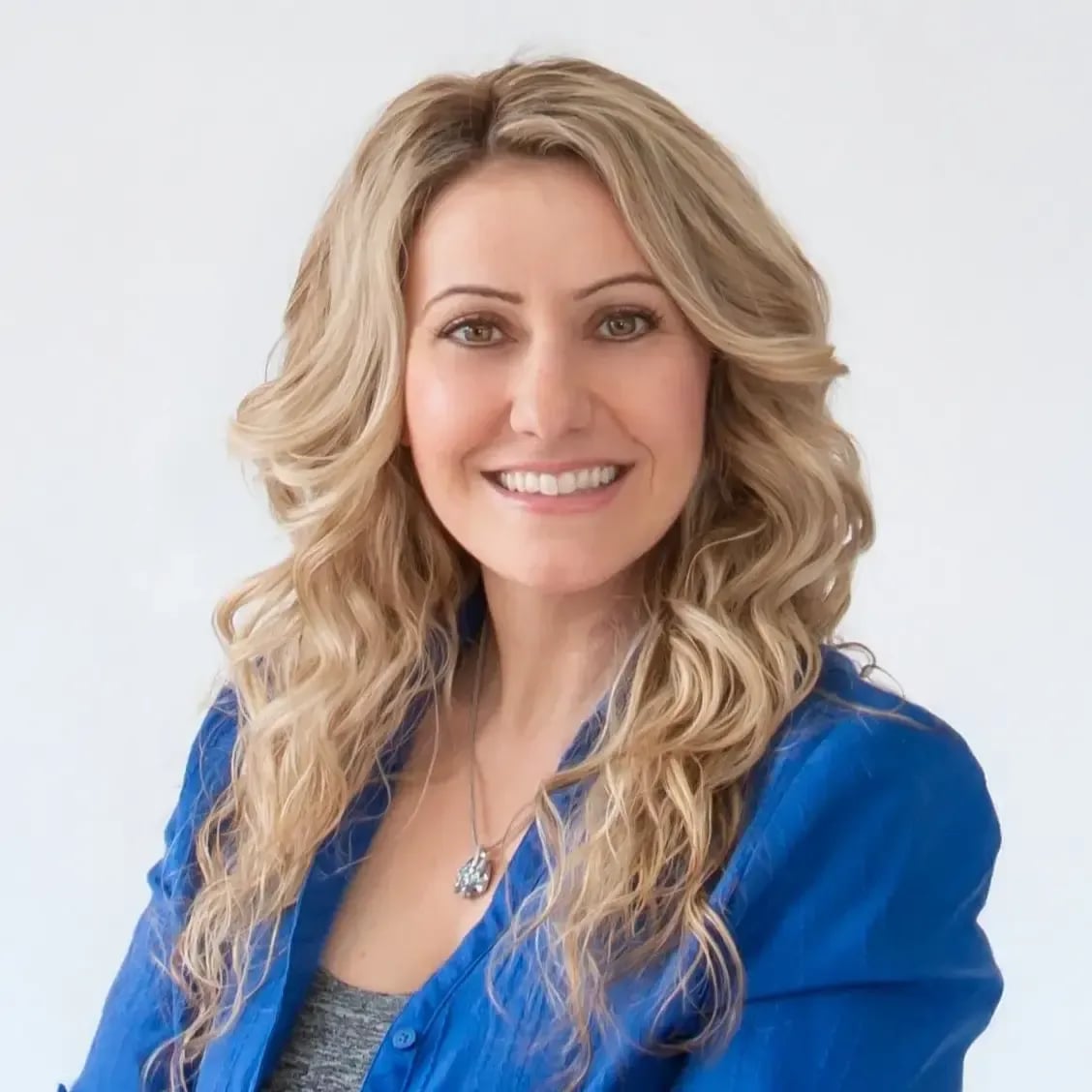
  • Photo of Katherine Zhili Guo

    Katherine Zhili Guo

    Registered Psychotherapist (Qualifying)

    • Offers in-person (Toronto, ON)
    • Virtual sessions in ON
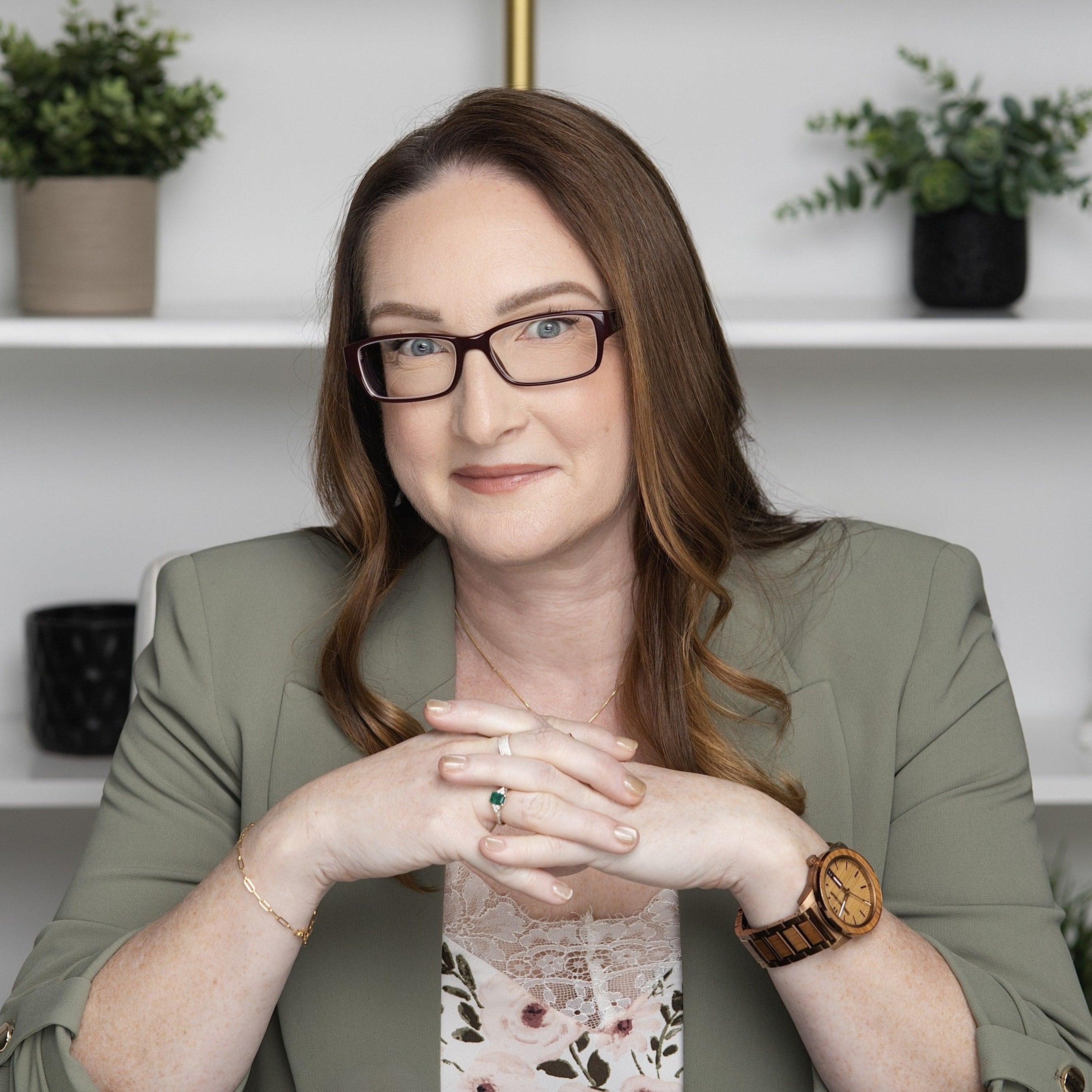
  • Photo of Jenny Scott

    Jenny Scott

    Registered Social Worker

    • Offers in-person (Toronto, ON)
    • Virtual sessions in ON
  • Photo of Maux Elworthy

    Maux Elworthy

    Registered Clinical Counsellor

    • Offers in-person (Vancouver, BC)
    • Virtual sessions in BC, AB, MB, NL, SK, YT, NT, NU
  • Photo of Olivia Johnson

    Olivia Johnson

    Registered Psychotherapist

    • Virtual sessions in ON
  • Photo of Sharon Singh

    Sharon Singh

    Registered Social Worker

    • Offers in-person (Windsor, ON)
    • Virtual sessions in ON
  • Photo of Tanya Lerra

    Tanya Lerra

    Registered Social Worker

    • Virtual sessions in ON
  • Photo of Melissa Servello

    Melissa Servello

    Registered Psychotherapist (Qualifying)

    • Virtual sessions in ON
  • Photo of Amanda Webster-Singh

    Amanda Webster-Singh

    Registered Psychotherapist (Qualifying)

    • Virtual sessions in ON
  • Photo of Anna Loch

    Anna Loch

    Registered Clinical Counsellor

    • Offers in-person (Vancouver, BC)
    • Virtual sessions in all provinces and territories.
  • Photo of Alexandra Walcott

    Alexandra Walcott

    Registered Clinical Counsellor

    • Virtual sessions in BC
  • Photo of Michael Wassef

    Michael Wassef

    Registered Psychotherapist

    • Offers in-person (Burlington, ON)
    • Virtual sessions in ON, BC, AB
  • Photo of Rebekkah Stainton

    Rebekkah Stainton

    Registered Clinical Counsellor

    • Virtual sessions in BC

Applied Polyvagal Theory is grounded in Dr. Stephen Porges' research on the autonomic nervous system and how it shapes our responses to safety and perceived threat. This approach may help people understand their body's natural reactions to stress, trauma, and connection. Therapists using this framework often focus on expanding the "window of tolerance"—the zone where you can process emotions and experiences without feeling overwhelmed or shut down.

On First Session, you can browse therapists who incorporate Applied Polyvagal Theory into their practice. Each therapist has an intro video so you can get a sense of their style before reaching out. Find a therapist in Canada who can support your journey toward greater nervous system regulation and emotional balance.

Frequently Asked Questions

What is Applied Polyvagal Theory?

Applied Polyvagal Theory is a therapeutic approach based on research about how the autonomic nervous system influences our emotional and physical responses. It focuses on understanding the body's natural reactions to safety, connection, and perceived danger. Therapists using this approach help clients recognize and work with their nervous system states to support emotional regulation and wellbeing.

Who might benefit from Applied Polyvagal Theory?

This approach may be helpful for people experiencing anxiety, trauma responses, difficulty with emotional regulation, or challenges feeling safe in relationships. It can also support those who notice physical symptoms connected to stress, such as tension, fatigue, or feeling disconnected from their body. Because it emphasizes the mind-body connection, it often appeals to people interested in somatic or body-based approaches to therapy.

What does Applied Polyvagal Theory involve in therapy sessions?

Sessions often involve learning about your nervous system and how it responds to different situations. Your therapist may guide you through exercises to help recognize when you feel safe, stressed, or disconnected. Techniques might include breathwork, movement, mindfulness practices, or exploring how past experiences have shaped your current responses. The goal is often to expand your capacity to stay grounded during challenging emotions.

How long does therapy using this approach typically take?

The length of therapy varies based on individual needs and goals. Some people find value in shorter-term work focused on specific skills, while others benefit from longer-term exploration. Your therapist can discuss a timeframe that makes sense for your situation during your initial sessions. Progress often depends on factors like what you're working through and how frequently you attend.

How do I know if a therapist is right for me?

Finding the right fit matters. On First Session, you can watch therapist intro videos to get a sense of their personality and approach before booking. Consider whether you feel comfortable with their style and whether their areas of focus align with what you're looking for. Many therapists offer initial consultations to help you determine if working together feels like a good match. Credentials are verified during onboarding.

How do I book a session with an Applied Polyvagal Theory therapist?

You can browse therapist profiles on First Session and filter by approach or area of focus. Once you find someone who seems like a good fit, watch their intro video and review their availability. You can book directly online at a time that works for you. Many therapists offer both online and in-person sessions, giving you flexibility in how you connect.

You deserve more from therapy.

You made the courageous decision to reach your full potential. Find the right therapist to help get you there, and make the most of the time and money you’re investing in yourself.