What is DBT?
Dialectical behaviour therapy (DBT) was developed by psychologist Marsha Linehan to help people experiencing intense emotions, self-harm, and suicidal thoughts. It has since been adapted for a range of concerns, including difficulties with emotion regulation, relationships, eating disorders, and substance use.
DBT teaches practical skills to manage difficult emotions, tolerate distress, stay present, and communicate more effectively. In individual therapy, a therapist may use these skills and principles to help you understand patterns, respond differently to difficult situations, and build more effective coping strategies.
DBT was originally developed as a comprehensive treatment program that included individual therapy, skills training, phone coaching, and therapist consultation. However, many therapists use DBT-informed approaches in individual sessions without providing the entire program. First Session features therapists who offer DBT-informed individual therapy, rather than full DBT programs.
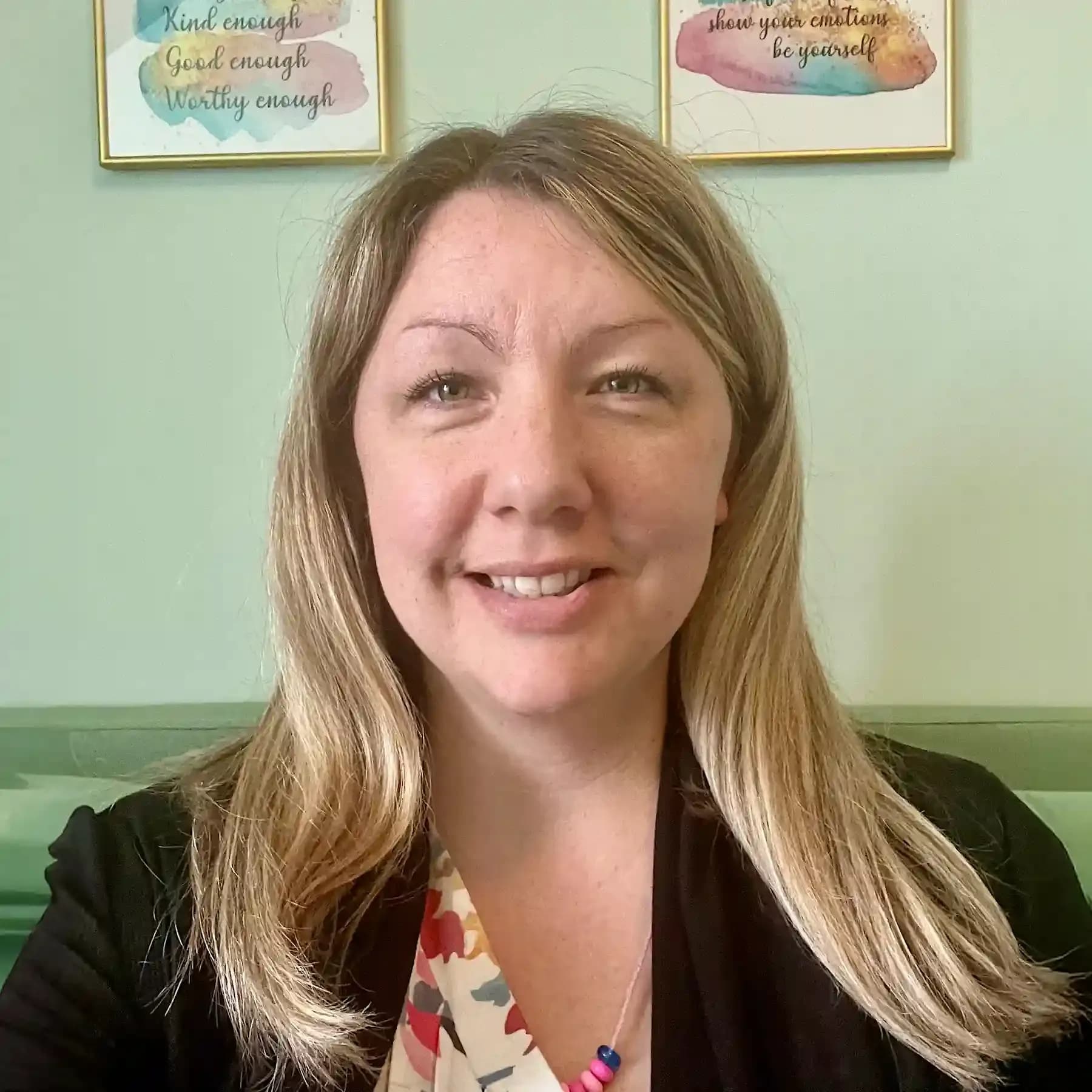
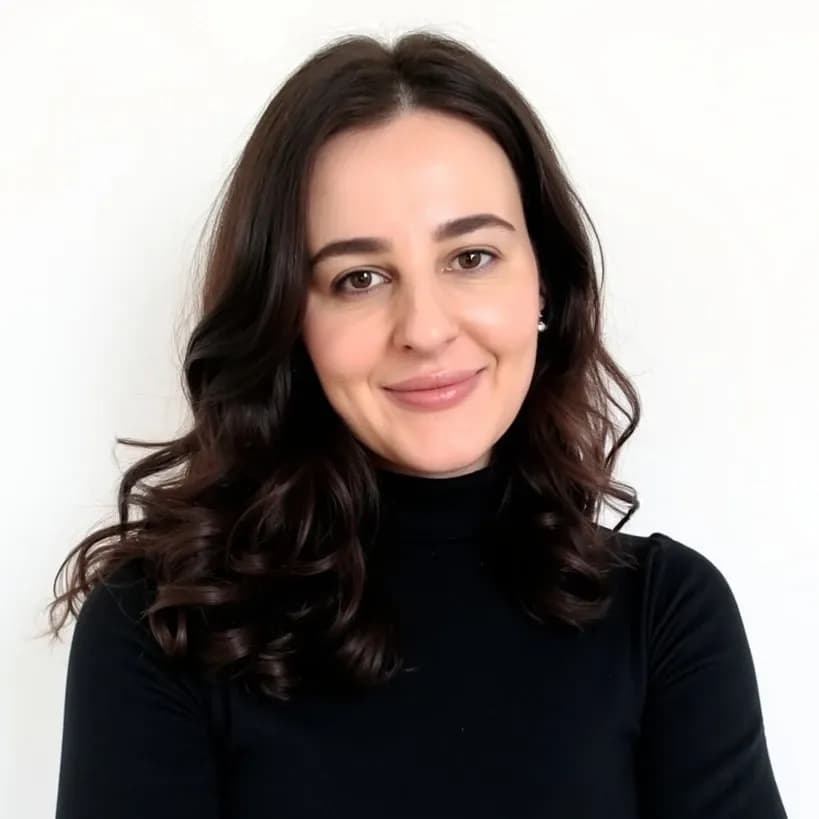
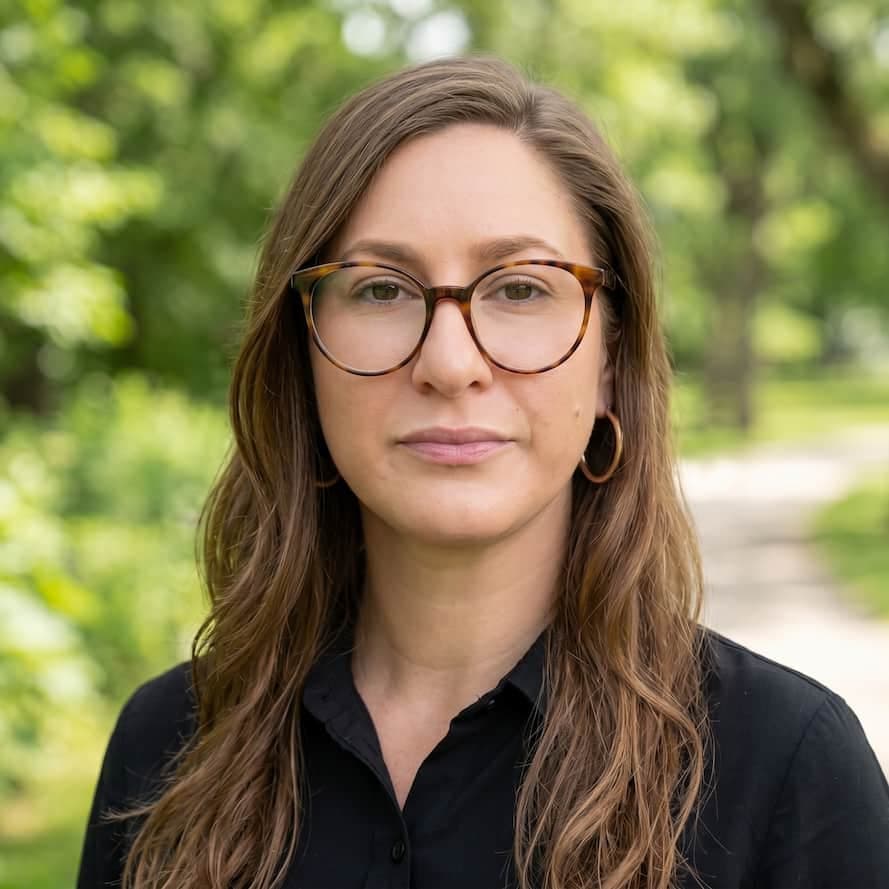
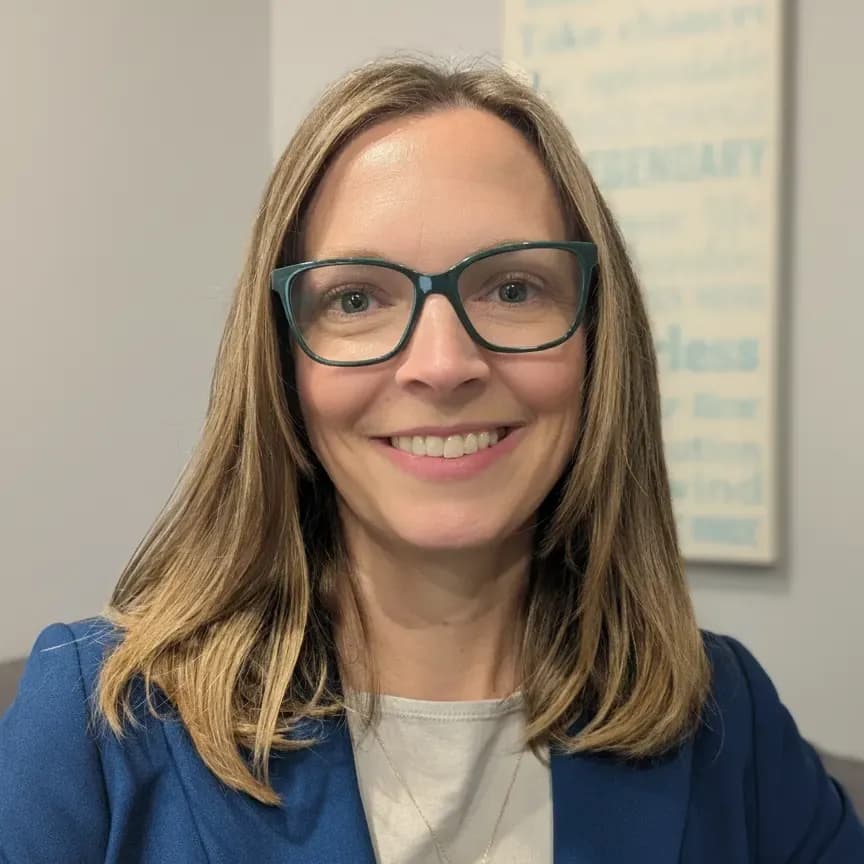
Every First Session profile explains the therapist's credentials, training, and approach, so you can find someone whose DBT experience fits what you're looking for.
What to know about DBT in Ottawa
Online and in-person DBT
DBT can work well both online and in person. In-person sessions offer face-to-face interaction and a dedicated space for therapy, while online sessions can be more convenient and accessible from home. You can use core DBT skills and techniques effectively in either format, so the best choice often comes down to what feels most comfortable and practical for you.
Credentials and DBT training in Ontario
DBT therapists in Ontario may be Registered Psychotherapists (RPs), regulated by the College of Registered Psychotherapists of Ontario; Registered Social Workers (RSWs), regulated by the Ontario College of Social Workers and Social Service Workers; or psychologists, regulated by the College of Psychologists of Ontario.
These professional designations tell you how a therapist is regulated, but they don't necessarily indicate specialized DBT training. If DBT experience matters to you, look at the training the therapist has completed and how they incorporate DBT into their practice.
DBT-Linehan Board of Certification (DBT-LBC) certification is one formal way of demonstrating DBT competency. Some DBT therapists on First Session may hold DBT-specific certifications or other formal training, which you can review on their profiles.
Cost and insurance
The cost of DBT therapy in Ottawa varies depending on the therapist's credentials, experience, and session fee.
If you're covered by the Public Service Health Care Plan (PSHCP), eligible mental-health services may be covered depending on your specific plan and remaining benefit balance. Check your coverage to confirm that your therapist's professional designation is eligible and to see how much of your annual mental-health benefit remains.
Every First Session profile lists the therapist's fee before you book, and therapists provide receipts that you can submit to your insurer for reimbursement.
How to choose a DBT therapist in Ottawa
1Look at their DBT training
DBT training varies between therapists. Some have completed extensive formal DBT training or certification, while others incorporate DBT techniques into a broader psychotherapy practice. Check the therapist's profile to understand their training and experience.
2Think about what you want help with
DBT can be used for many different concerns, from managing intense emotions and difficult relationships to coping with stress, impulsivity, or overwhelming situations. Look for a therapist whose experience matches the issues you want to work on.
3Check your insurance coverage
Before starting regular sessions, confirm that your plan covers the therapist's professional designation and check your annual or calendar-year mental-health maximum. If you're using the PSHCP, you can also check how much of your benefit you've already used.
4Watch the therapist's intro video
A therapist's approach matters as much as their credentials. A short intro video can give you an early sense of their communication style and whether you'd feel comfortable working with them.
5Ask how they use DBT in individual therapy
DBT-informed therapy can look different from one therapist to another. During your consultation, ask how they use DBT skills and principles in sessions and whether their approach matches what you're hoping to get from therapy.
6Use the free consultation to ask about fit
Your free 15-minute consultation is an opportunity to explain what you're looking for and ask how the therapist typically approaches DBT. You can ask about session frequency, the DBT skills you might learn, and whether their approach matches your goals.