What is EFT therapy?
If you searched for EFT expecting tapping on pressure points, this is something else. Emotionally Focused Therapy (EFT) is a structured, attachment-based approach developed by Dr. Sue Johnson, unrelated to Emotional Freedom Techniques, the acupressure-based practice that shares the same initials.
EFT maps the repeating pattern a couple gets stuck in, one partner pursues, the other withdraws, and works underneath it to the unmet need for safety and connection driving both sides. Individual and family versions exist too, EFIT for one-on-one work and EFFT for families, though couples work remains the most established.
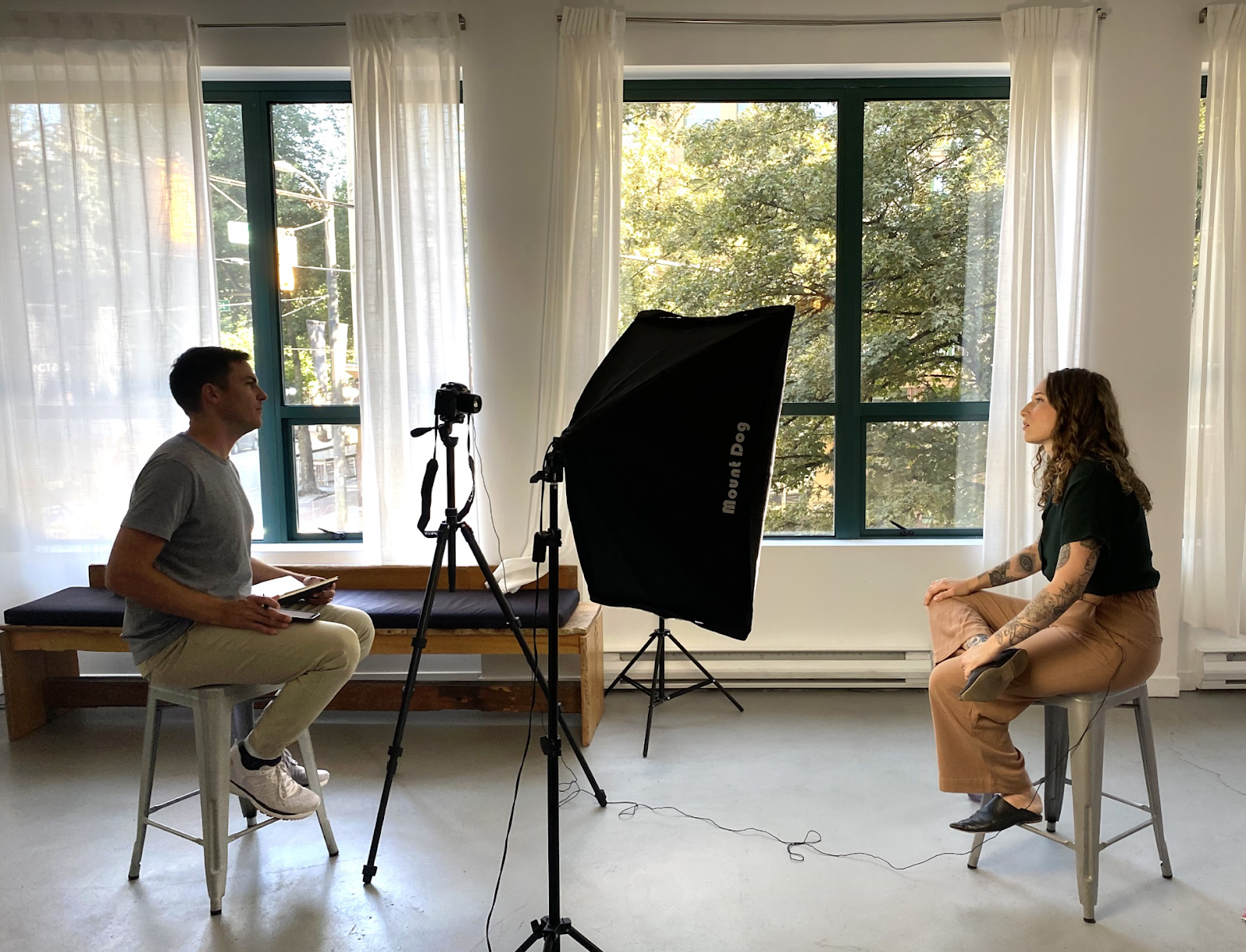
A bio that lists EFT could mean a full ICEEFT certification or a single introductory workshop, that gap matters more here than with most modalities. First Session's intro videos are a useful first check on how a therapist actually talks about this work.
What to know about EFT therapy in Toronto
Online and in-person
Couples therapy in general holds up reasonably well over video for satisfaction and the working relationship with a therapist. EFT specifically leans harder on reading in-the-moment emotional and nonverbal cues, and some therapists and couples find that harder to access on a screen.
Ask a specific therapist how they've adapted their approach for video. The honest answer depends on the practitioner more than on the modality itself.
Training and credentials in Ontario
Any Registered Psychotherapist, Social Worker, or Psychologist licensed in Ontario can legally offer relationship counselling. None of those titles confirm EFT training specifically.
ICEEFT's certification path runs from a short Externship, through Core Skills training (24 to 48 hours), to full certification with supervised case review. A therapist can sit anywhere along that path, ask directly where.
Cost and insurance
Couples sessions in Toronto commonly run $160 to $350, higher than individual sessions since they tend to run longer. Individual EFT work typically falls closer to $140 to $250, confirm the exact rate on the therapist's profile.
OHIP doesn't cover any of this in private practice. Extended health plans sometimes reimburse couples sessions only when billed under the primary plan holder's name, worth confirming with your insurer first. First Session lists fees on every profile and provides a receipt either way.
How to choose an EFT therapist in Toronto
1Ask where they are on the ICEEFT path
A therapist who completed a single introductory workshop and one who holds full EFT certification are both technically trained in EFT. Ask whether they've completed Core Skills training or hold certification, the depth shapes how sessions actually run.
2Rule out EFT tapping first
If a bio mentions EFT alongside acupressure, energy work, or self-administered techniques, that's Emotional Freedom Techniques, a different practice entirely. Emotionally Focused Therapy is talk-based couples and individual work grounded in attachment theory.
3Watch the intro video for how they describe the pattern
EFT works by naming the specific cycle a couple falls into. A First Session intro video where a therapist talks concretely about pursue-withdraw dynamics or attachment needs is speaking the actual language of the model.
4Ask about EFT versus Gottman if you're comparing approaches
EFT works from attachment theory and emotional cycles. The Gottman Method works from research on communication habits and conflict patterns. Some therapists blend both, ask which frame a specific therapist leans on.
5Use the free consultation to ask your actual question
Use First Session's free 15-minute consultation to ask directly about a therapist's EFT training level and their experience with a concern like yours, an affair, a persistent conflict cycle, or emotional distance.