What is OCD therapy?
OCD therapy has one clear first-line treatment: Exposure and Response Prevention (ERP), a specific, structured form of CBT built for OCD specifically. Generic talk therapy and even standard CBT have much weaker evidence here.
ERP works by gradually facing the thoughts, objects, or situations that trigger obsessions while resisting the urge to perform the compulsion, physical or mental, that would normally follow. Over time, the brain learns the feared outcome doesn't happen and the anxiety fades.
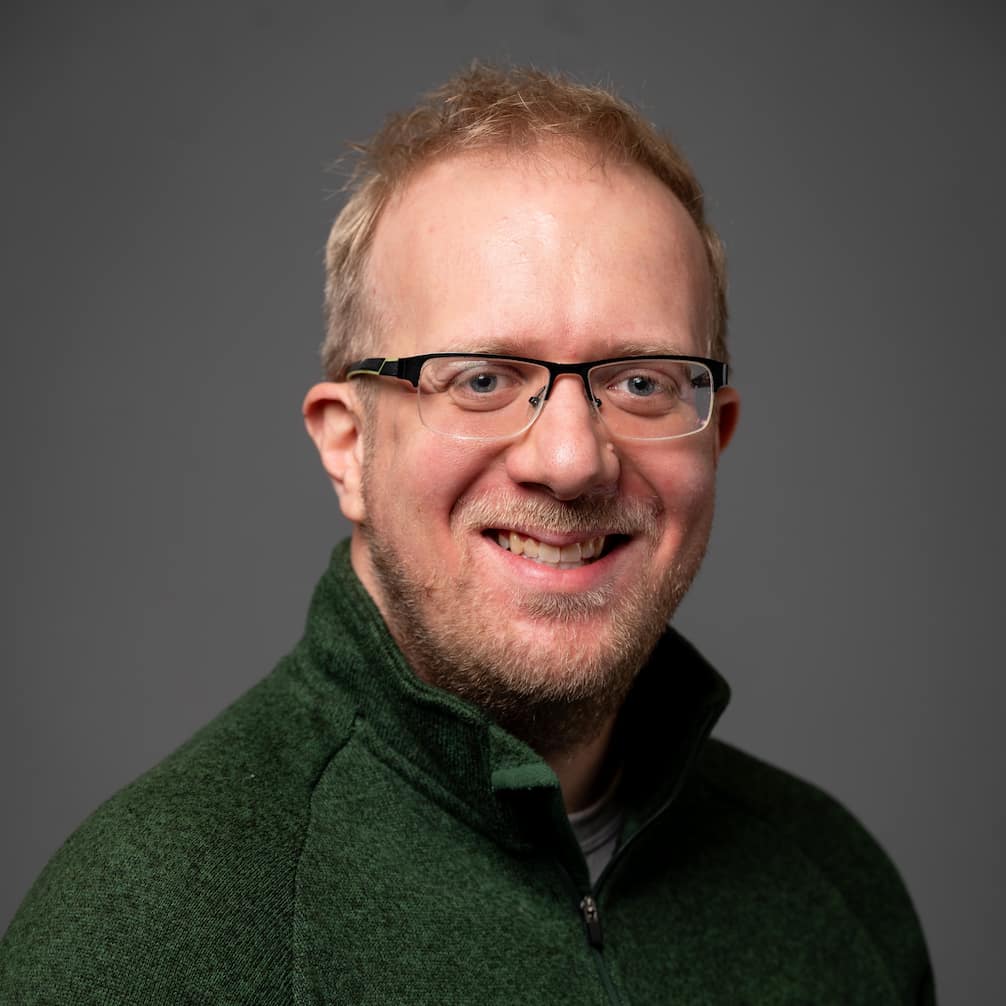
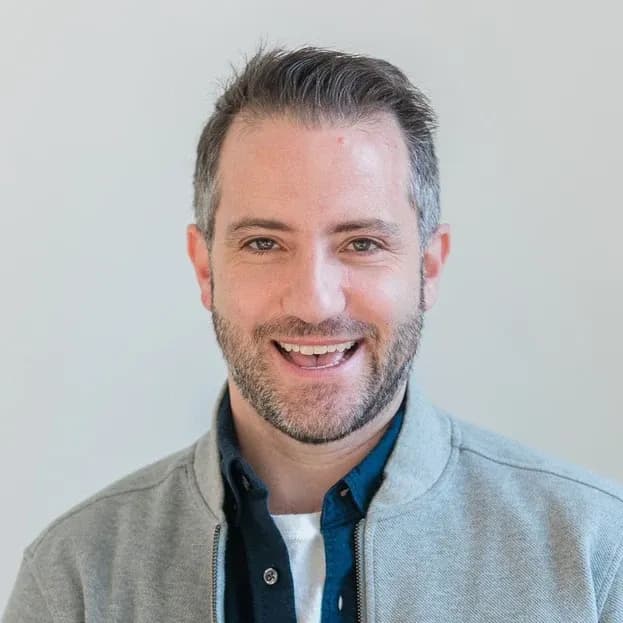
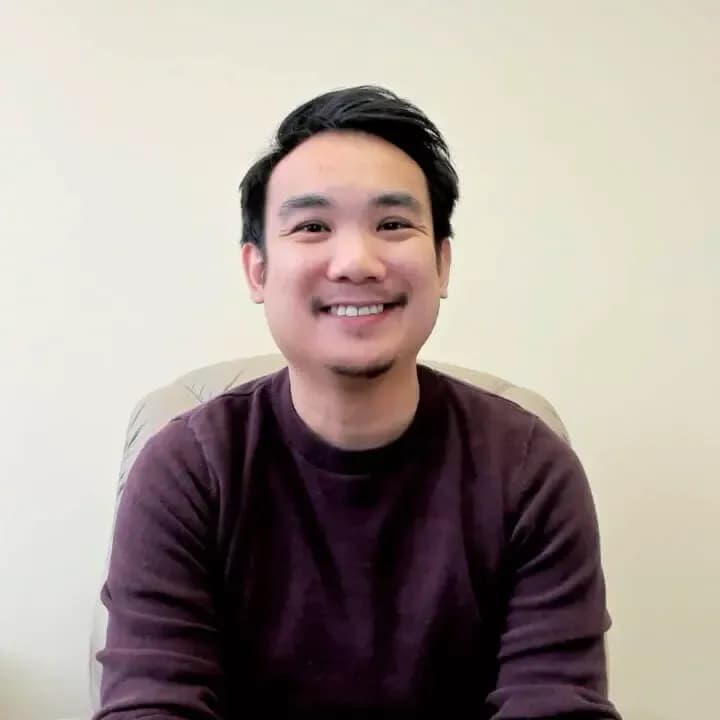
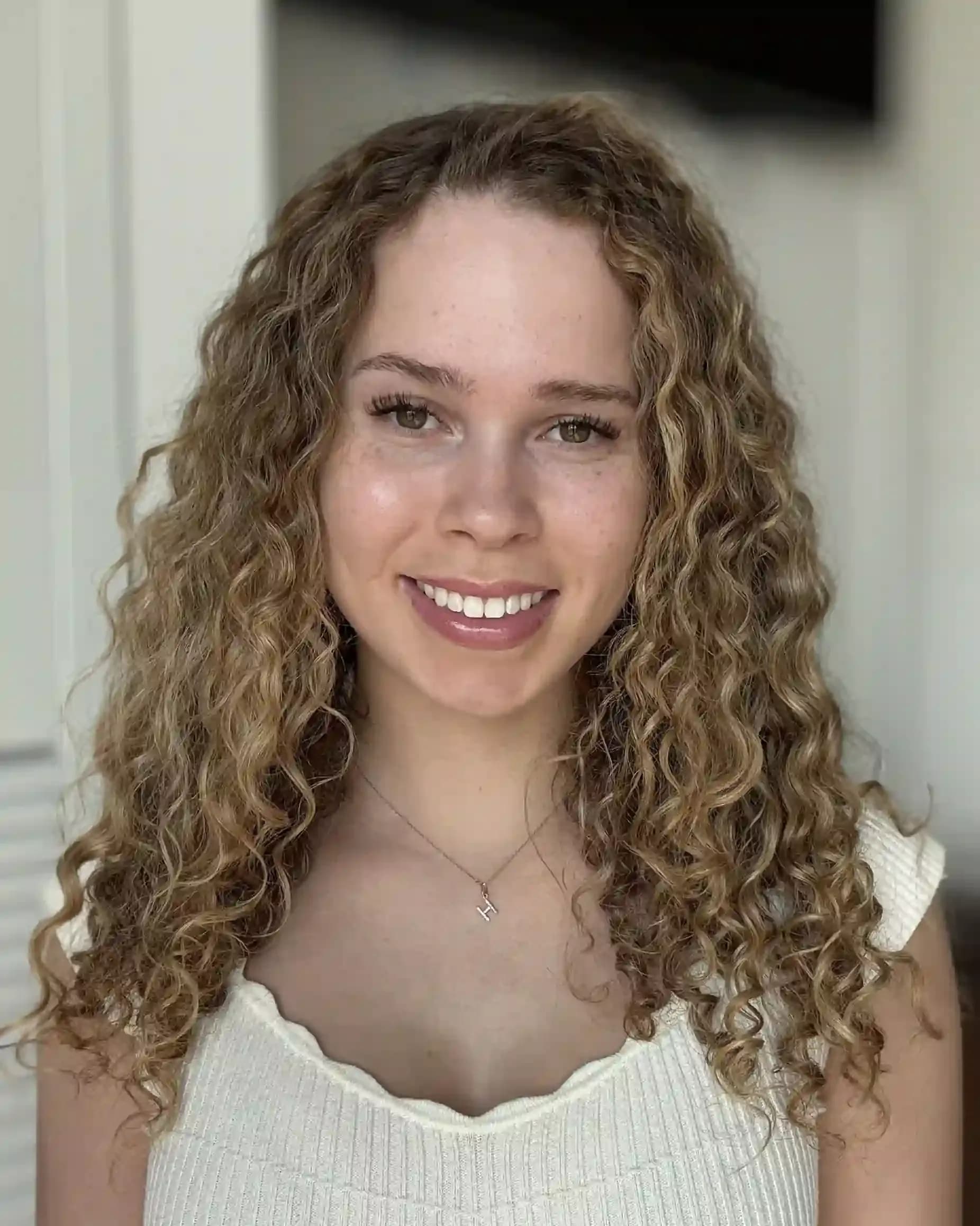
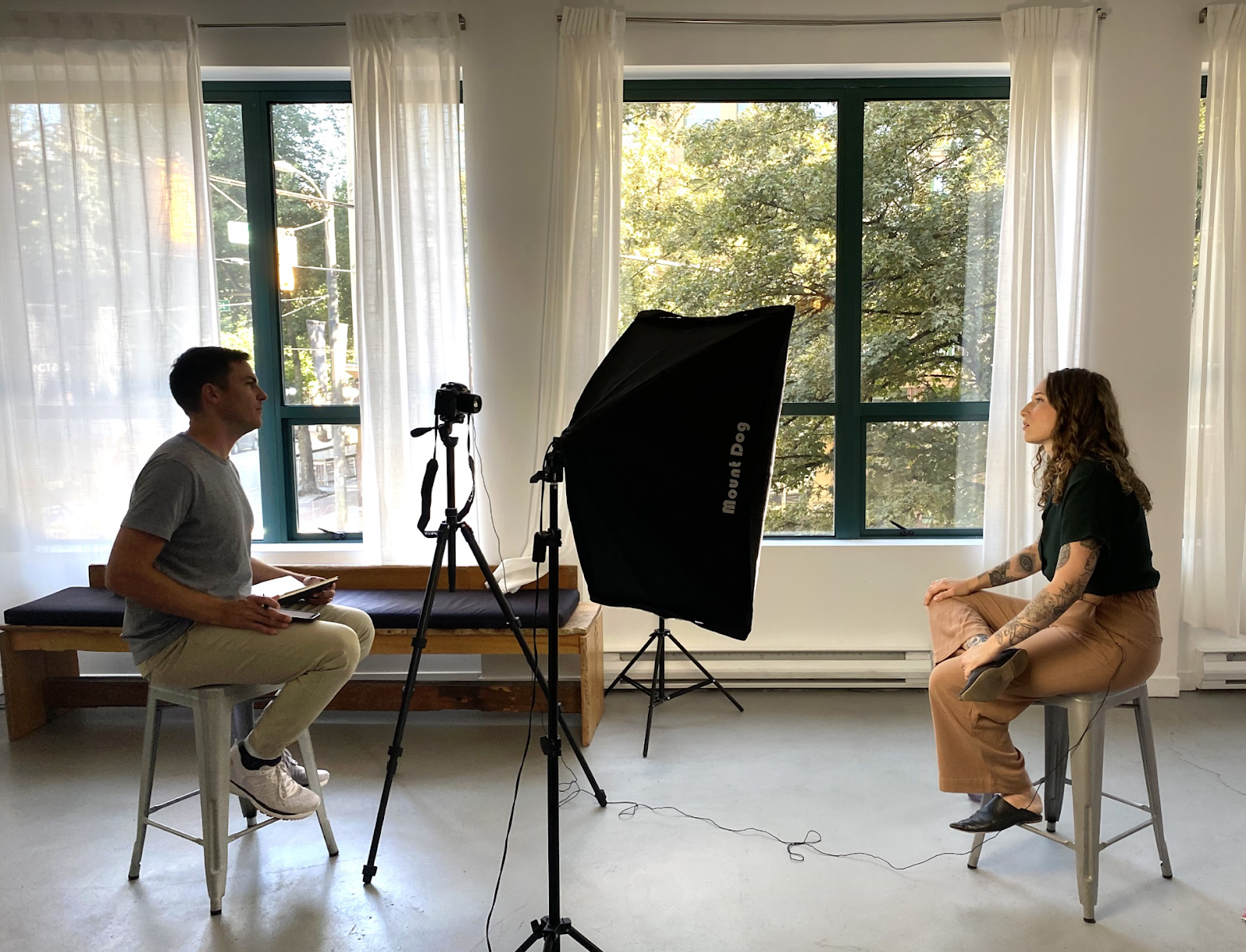
A therapist who lists OCD as one specialty among many may still be a strong fit, but ERP training is a distinct skill set worth confirming directly. First Session's intro videos and specialty lists together give you a first read before you ask.
What to know about OCD therapy in Toronto
OCD looks different than the stereotype
Contamination fears and visible checking are real presentations, but OCD also shows up as harm OCD, relationship OCD (ROCD), scrupulosity, and Pure O, where compulsions are mental rather than physical, replaying, mental reviewing, silent reassurance-seeking.
These less visible forms often go undiagnosed for years because they don't match what people expect OCD to look like.
ERP versus generic CBT
Exposure and Response Prevention is a specific, structured protocol: facing triggers while resisting the compulsion that usually follows. Standard CBT techniques for anxiety or depression don't automatically include this.
Reassurance-seeking, including asking a therapist directly whether something bad will happen, is itself a compulsion. A therapist without ERP training may unintentionally reinforce it.
Cost and insurance
In Toronto, individual sessions commonly run $140 to $250, confirm the exact rate on the therapist's profile. OHIP doesn't cover any of this in private practice, only psychiatrist visits are included.
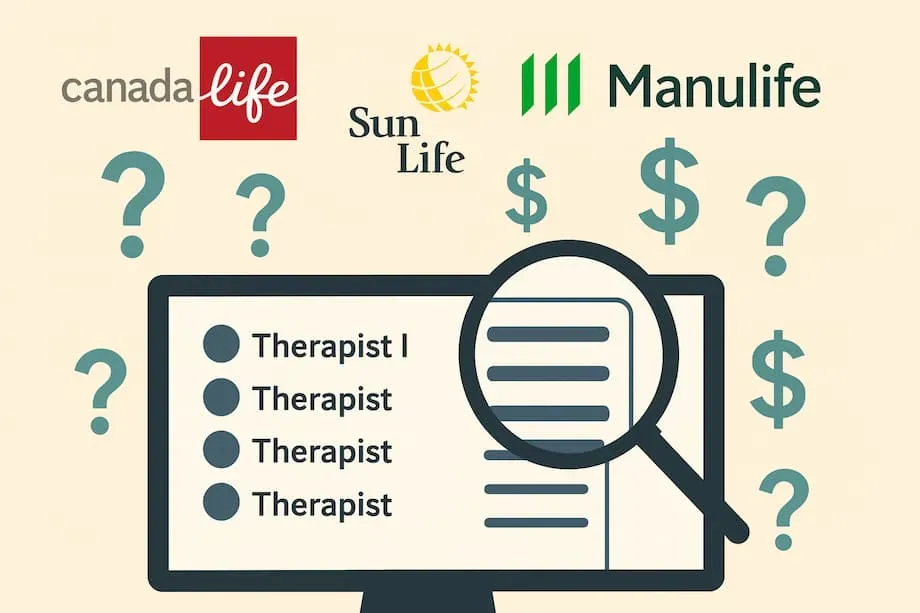
Medication, typically an SSRI often prescribed at a higher dose than for depression, requires a physician and is separate from what a talk therapist provides. First Session lists fees on every profile and provides a receipt for your plan.
How to choose an OCD therapist in Toronto
1Ask about ERP training specifically
A specialty list that says OCD doesn't confirm ERP training on its own. Ask a therapist directly whether they practice Exposure and Response Prevention and how much experience they have delivering it.
2Describe your actual obsessions, even if they don't fit the stereotype
If your compulsions are mental, replaying, checking your own thoughts, seeking reassurance internally, say so directly. A therapist unfamiliar with Pure O or harm OCD may miss it if you only describe feeling anxious.
3Notice whether a therapist offers reassurance or resists giving it
In an intro video or consultation, a therapist who quickly reassures you that your fears are unfounded may be doing something ERP specifically trains against. That instinct, however kind, can reinforce the cycle.
4Ask about medication collaboration
SSRIs are a common OCD medication, usually prescribed by a family doctor or psychiatrist rather than the therapist doing your ERP work. Ask how a therapist coordinates with a prescriber if medication is part of your plan.
5Use the free consultation to describe your specific pattern
Use First Session's free 15-minute consultation to describe your actual triggers and compulsions, mental or physical, rather than a general description of anxiety. The response tells you a lot about their familiarity with OCD specifically.