DBT Therapists in Montreal

Licensed therapists trained in Dialectical Behaviour Therapy, serving Montreal online and in person. Watch intro videos, compare training, and book a free 15-minute consultation directly.

Live in Montreal? Connect with a Dialectical Behaviour Therapy (DBT) therapist in-person or online.

Licensed Dialectical Behaviour Therapy therapists based and insured in Quebec. All therapists on EST timezone unless otherwise noted.

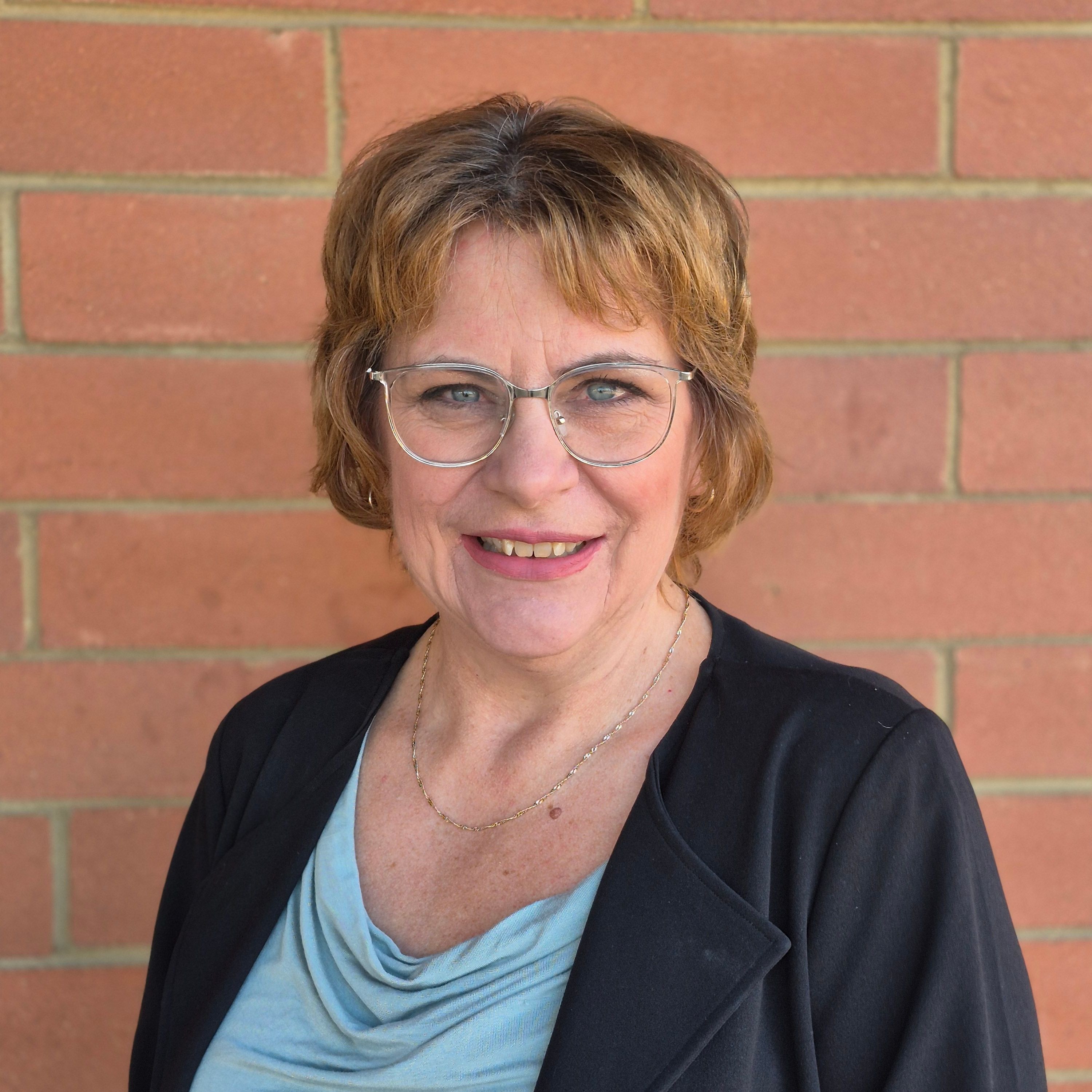
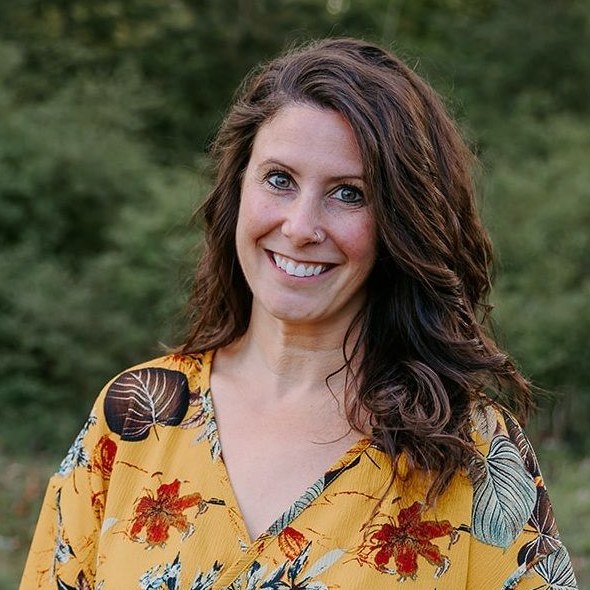
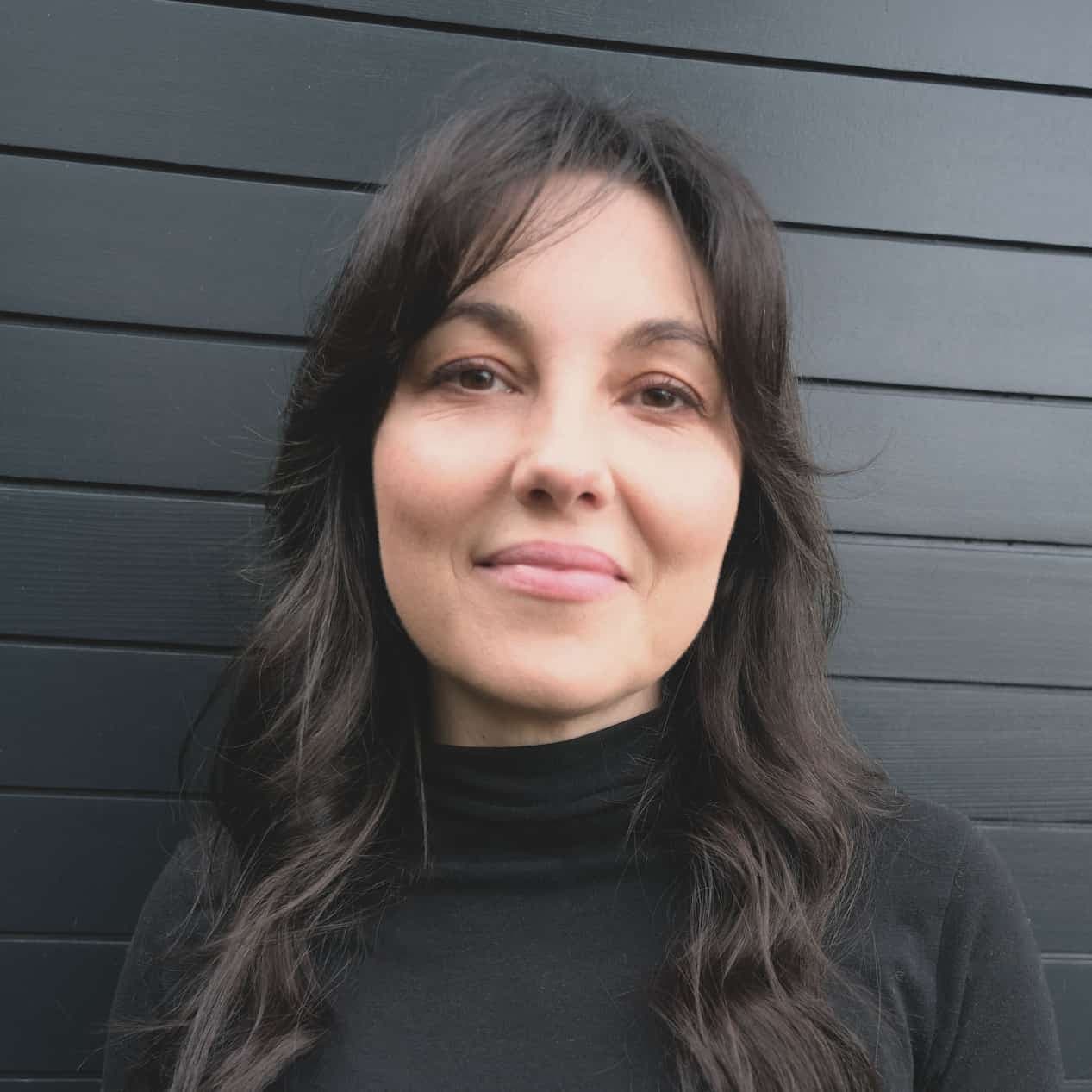
  • Photo of Michelle Belitzky

    Michelle Belitzky

    Registered Social Worker

    • Offers in-person (Montreal, QC)
    • Virtual sessions in QC, ON

Online therapy for you in Montreal.

Out-of-province licensed Dialectical Behaviour Therapy therapists insured to provide online therapy in Quebec. Timezone availability may vary.

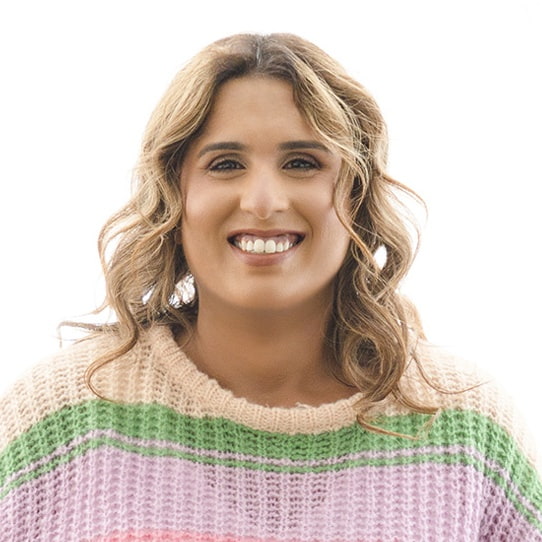
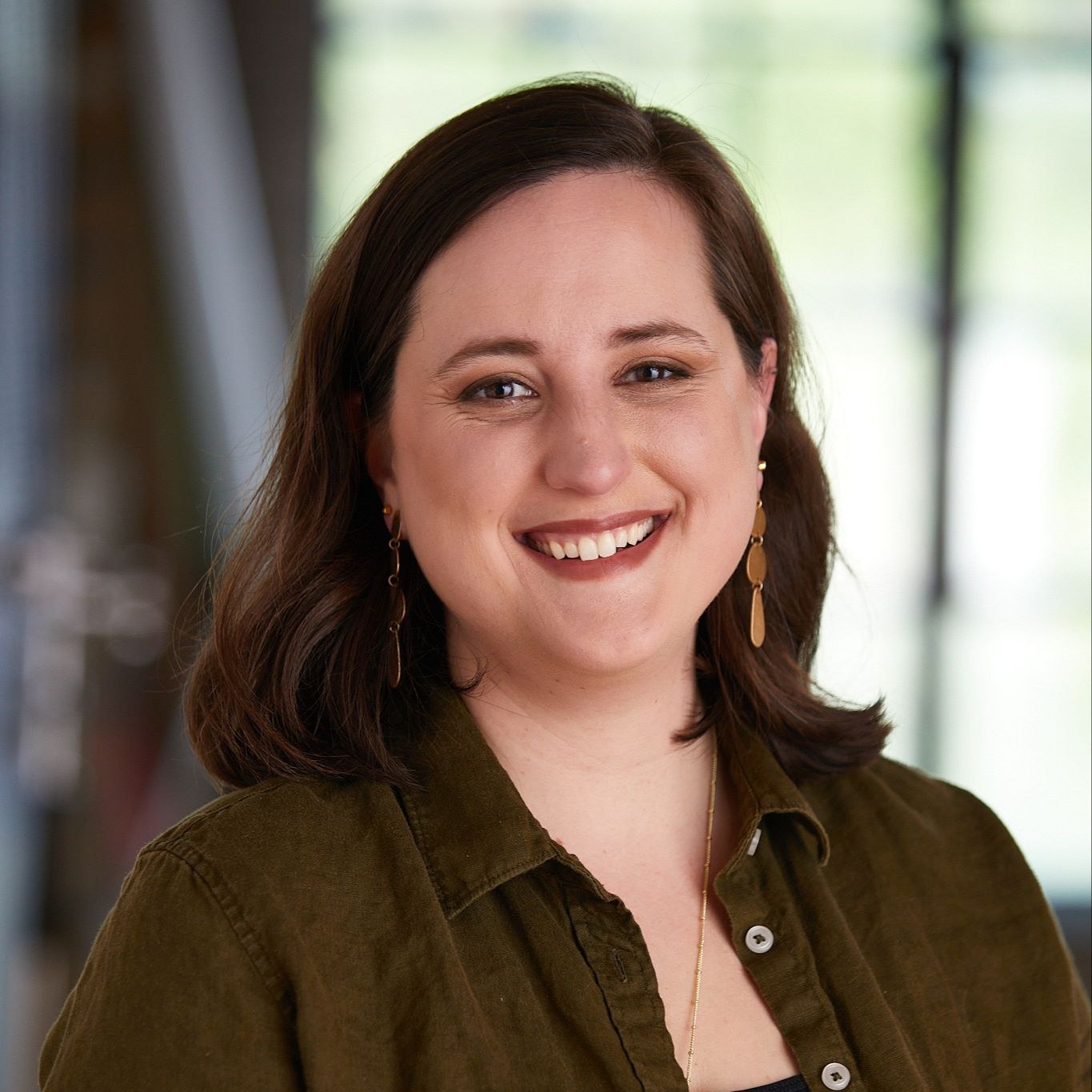
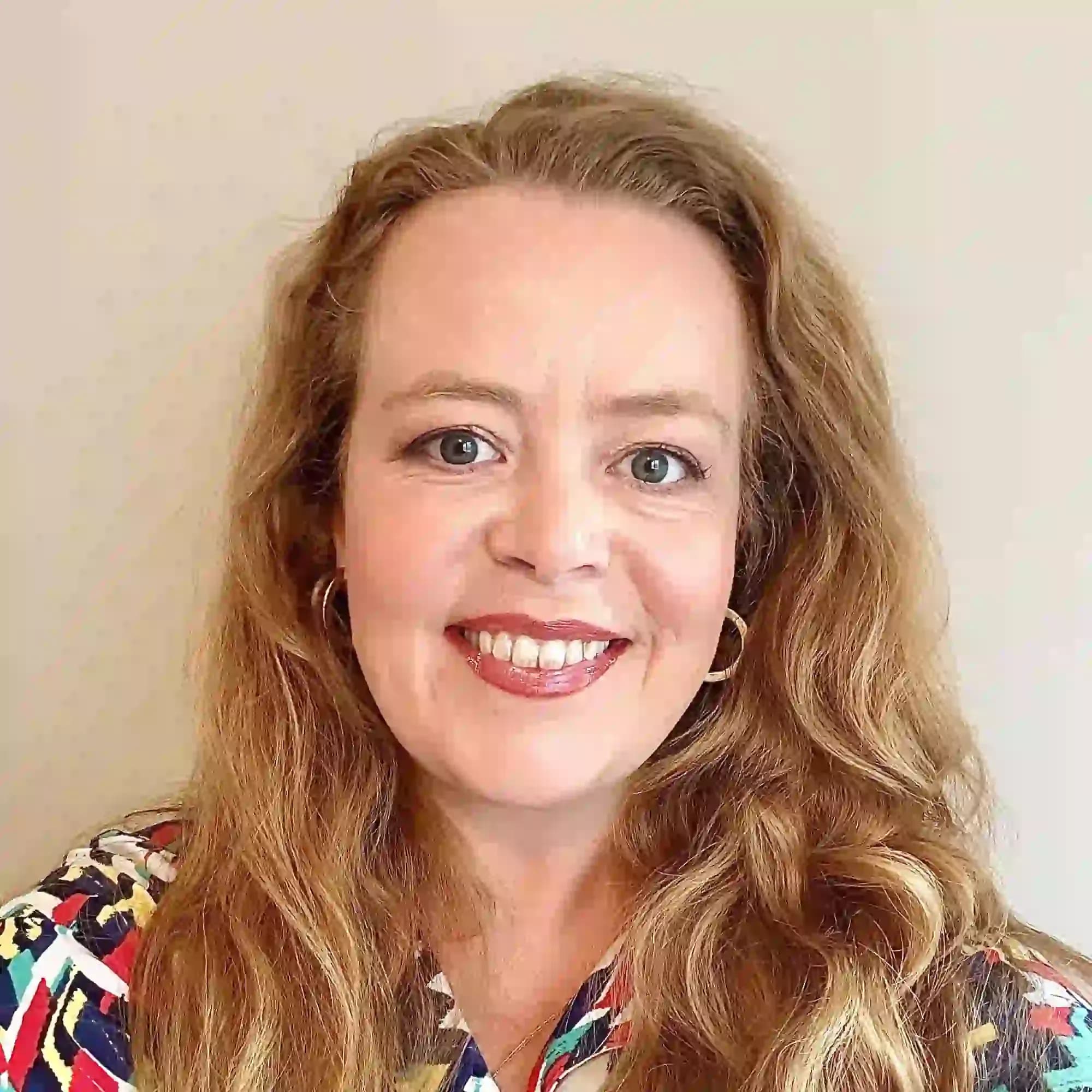
  • Photo of Hao Yen Lim

    Hao Yen Lim

    Canadian Certified Counsellor

    • Virtual sessions in all provinces and territories.
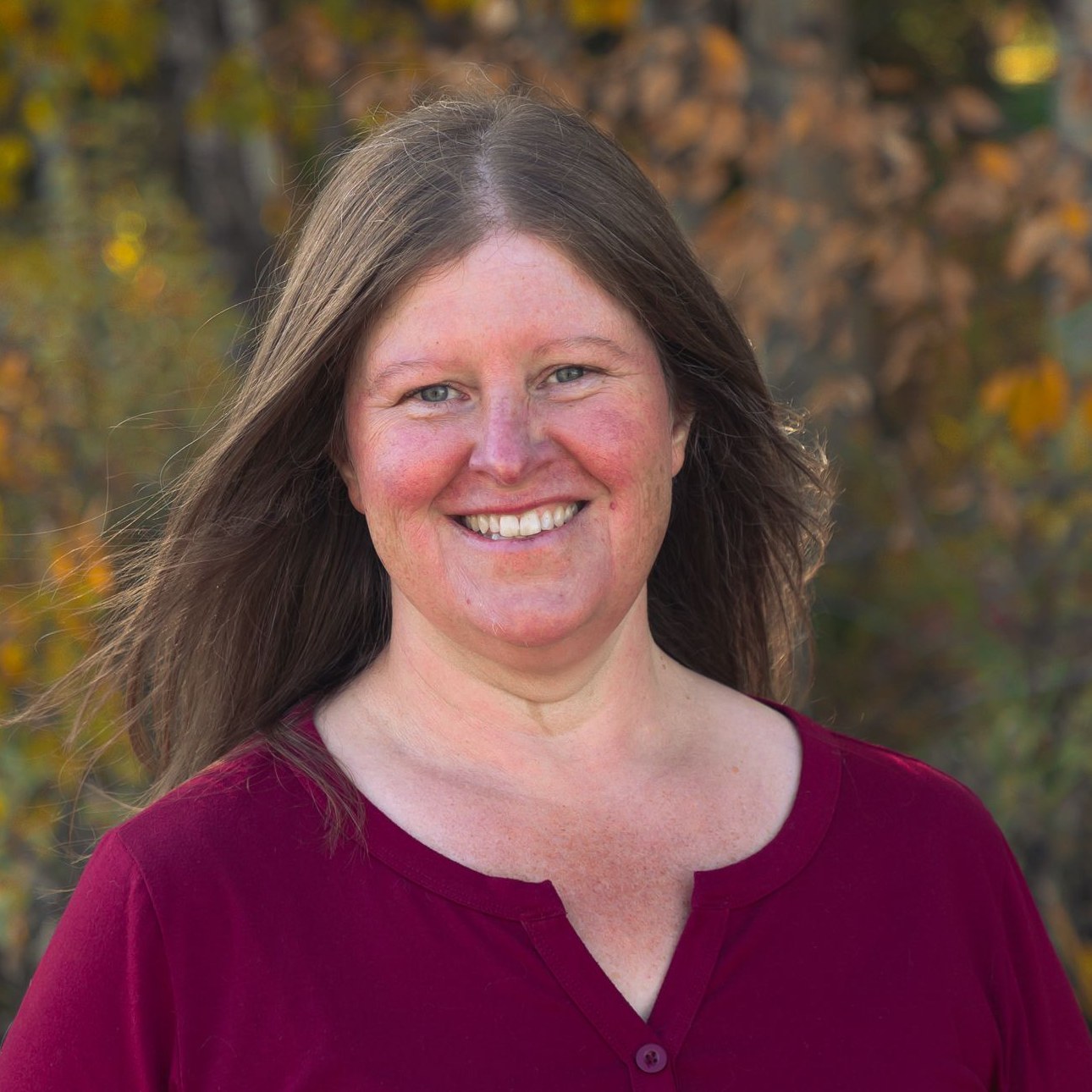
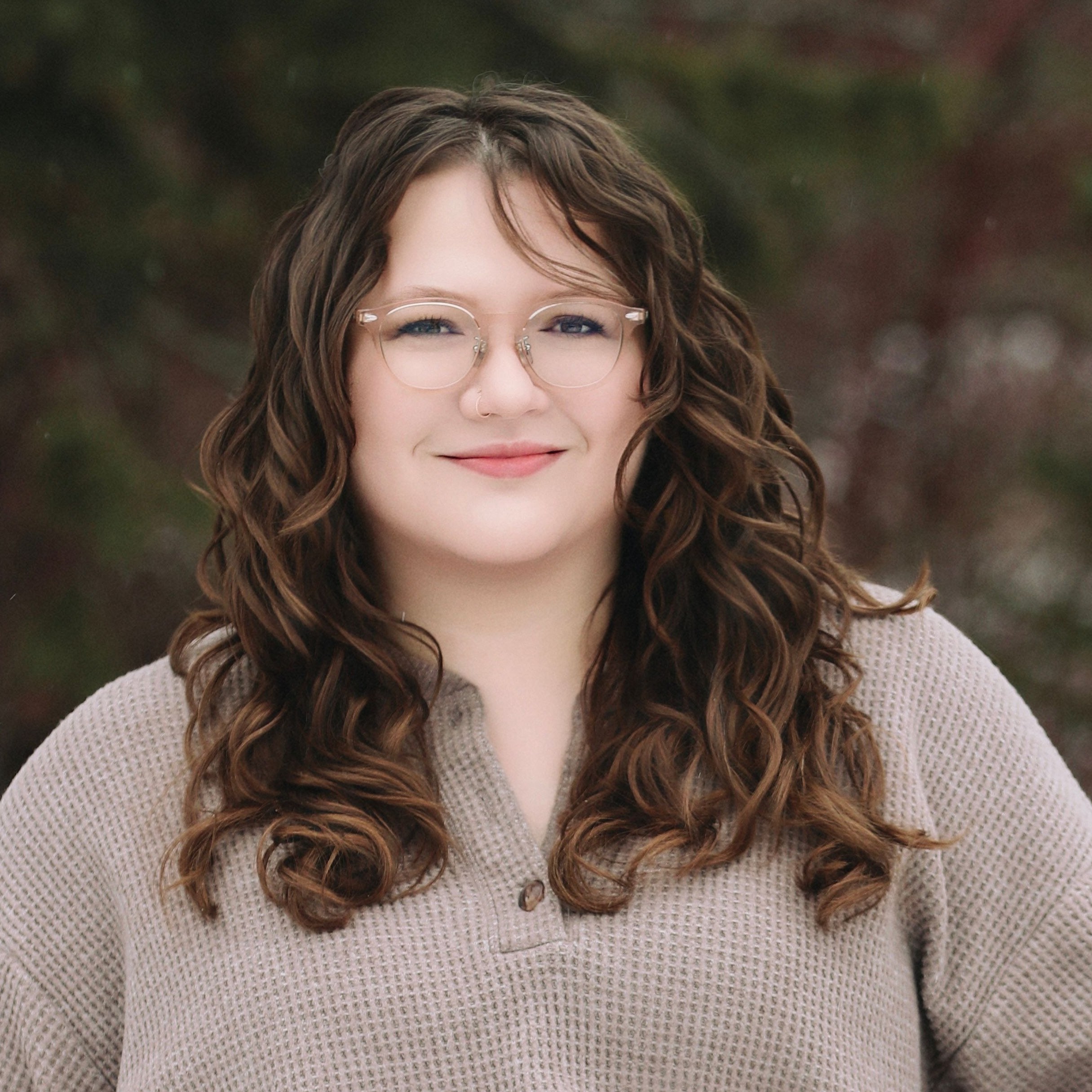
  • Photo of Flip Smith

    Flip Smith

    Registered Psychotherapist (Qualifying)

    • Virtual sessions in all provinces and territories.
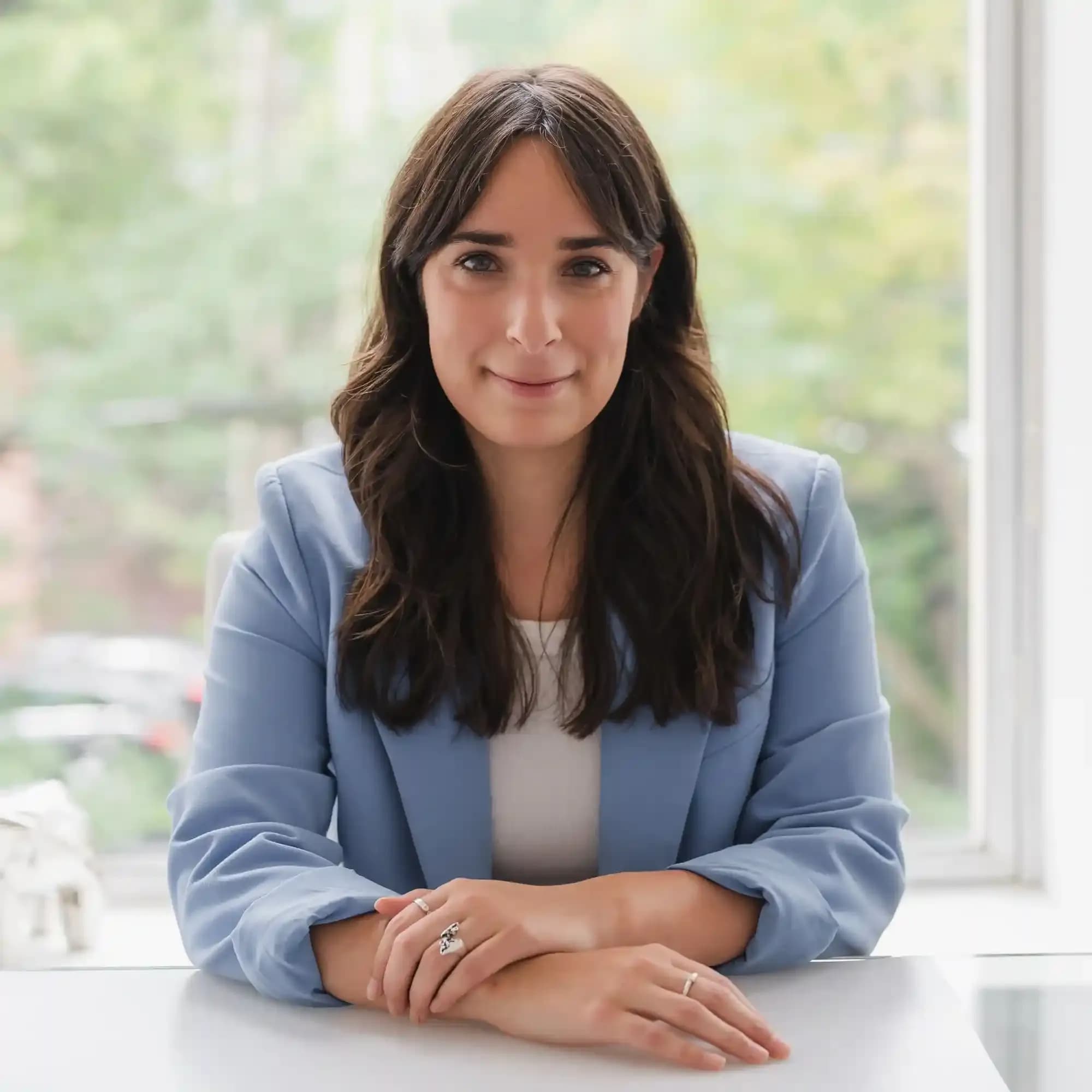
  • Photo of Richard Tatomir

    Richard Tatomir

    Canadian Certified Counsellor

    • Offers in-person (Langley, BC)
    • Virtual sessions in all provinces and territories.
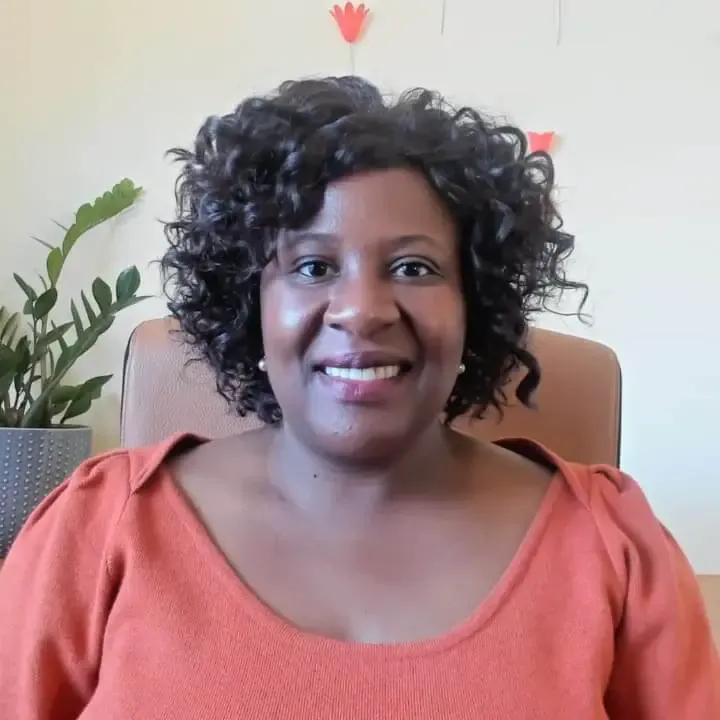
  • Photo of Tanya Gabrielle

    Tanya Gabrielle

    Registered Professional Counsellor - Provisional

    • Virtual sessions in BC, AB, MB, ON, NS, QC, SK
  • Photo of Bina Persaud

    Bina Persaud

    Registered Psychotherapist

    • Offers in-person (Pickering, ON)
    • Virtual sessions in all provinces and territories.
  • Photo of Nick Abraham

    Nick Abraham

    Registered Clinical Counsellor

    • Offers in-person (Nanaimo, BC)
    • Virtual sessions in all provinces and territories.
  • Photo of C. Nicole MacLeod

    C. Nicole MacLeod

    Registered Psychotherapist

    • Offers in-person (Unionville, ON)
    • Virtual sessions in all provinces and territories.
  • Photo of Jacob Damelin

    Jacob Damelin

    Registered Psychotherapist

    • Offers in-person (Toronto, ON)
    • Virtual sessions in all provinces and territories.
  • Photo of Warren Elardo

    Warren Elardo

    Registered Social Worker

    • Offers in-person (Toronto, ON)
    • Virtual sessions in all provinces and territories.
  • Photo of Robert Phillips

    Robert Phillips

    Registered Professional Counsellor - Provisional

    • Virtual sessions in AB, BC, ON, SK, MB, NT, YT, NL, QC
  • Photo of Luigi Garde

    Luigi Garde

    Registered Psychotherapist

    • Virtual sessions in all provinces and territories.
  • Photo of Nicholas Balaisis

    Nicholas Balaisis

    Registered Psychotherapist

    • Offers in-person (Kitchener, ON)
    • Virtual sessions in ON, AB, BC, QC

What is DBT?

Dialectical behaviour therapy (DBT) was developed by psychologist Marsha Linehan to help people experiencing intense emotions, self-harm, and suicidal thoughts. It has since been adapted for a range of concerns, including difficulties with emotion regulation, relationships, eating disorders, and substance use.

DBT teaches practical skills to manage difficult emotions, tolerate distress, stay present, and communicate more effectively. In individual therapy, a therapist may use these skills and principles to help you understand patterns, respond differently to difficult situations, and build more effective coping strategies.

DBT was originally developed as a comprehensive treatment program that included individual therapy, skills training, phone coaching, and therapist consultation. However, many therapists use DBT-informed approaches in individual sessions without providing the entire program. First Session features therapists who offer DBT-informed individual therapy, rather than full DBT programs.

Every First Session profile explains the therapist's credentials, training, and approach, so you can find someone whose DBT experience fits what you're looking for.

What to know about DBT in Montreal

Online and in-person DBT

DBT can work well both online and in person. In-person sessions offer face-to-face interaction and a dedicated space for therapy, while online sessions can be more convenient and accessible from home. You can use core DBT skills and techniques effectively in either format, so the best choice often comes down to what feels most comfortable and practical for you.

Credentials and DBT training in Quebec

Psychologists are regulated by the Ordre des psychologues du Québec (OPQ), while psychotherapists must hold a psychotherapy permit issued by the OPQ. A psychotherapy permit can be held by professionals from certain base professions, including social workers and counsellors, who meet Quebec's additional education and supervised-practice requirements.

The therapist's professional designation tells you how they are regulated, but it doesn't necessarily tell you how much DBT training or experience they have. If DBT matters to you, check whether the therapist has completed formal DBT training, certification, or other specialized coursework, and how they incorporate DBT into their practice. DBT-Linehan Board of Certification (DBT-LBC) certification is one formal way of demonstrating competency in DBT. Some DBT therapists on First Session may hold DBT-specific certifications or other formal training, which you can review on their profiles.

Cost and insurance

Private sessions with a psychologue or psychothérapeute in Montreal typically run $120 to $180 for fifty minutes, per the OPQ’s own fee survey. The cost of DBT-informed individual therapy is not necessarily different from other forms of psychotherapy.

Insurance coverage depends on your specific plan and the therapist's professional designation. Many private and employer-sponsored plans cover services from psychologists, psychotherapists, or other eligible mental health professionals, but the requirements and annual maximums vary. Check your plan to see which designations it covers and whether it has a per-session or annual limit.

How to choose a DBT therapist in Montreal

1Look at their DBT training

DBT training varies between therapists. Some have completed extensive formal DBT training or certification, while others incorporate DBT techniques into a broader psychotherapy practice. Check the therapist's profile to understand their training and experience.

2Think about what you want help with

DBT can be used for many different concerns, from managing intense emotions and difficult relationships to coping with stress, impulsivity, or overwhelming situations. Look for a therapist whose experience matches the issues you want to work on.

3Check your insurance coverage

Before starting regular sessions, confirm that your plan covers the therapist's professional designation and check your annual or calendar-year mental-health maximum. If you're using the PSHCP, you can also check how much of your benefit you've already used.

4Watch the therapist's intro video

A therapist's approach matters as much as their credentials. A short intro video can give you an early sense of their communication style and whether you'd feel comfortable working with them.

5Ask how they use DBT in individual therapy

DBT-informed therapy can look different from one therapist to another. During your consultation, ask how they use DBT skills and principles in sessions and whether their approach matches what you're hoping to get from therapy.

6Use the free consultation to ask about fit

Your free 15-minute consultation is an opportunity to explain what you're looking for and ask how the therapist typically approaches DBT. You can ask about session frequency, the DBT skills you might learn, and whether their approach matches your goals.

“I wish I’d known about this platform sooner! I loved the introductory videos–this is what helped me choose the therapist to book an intro consultation with.”

First Session Client, 2025

Helping Every Therapy Seeker Find the Right Fit

Compatibility is the most important factor when choosing a therapist. But finding the right fit isn’t easy. First Session takes the time, guesswork, and emotional labour out of that process.

  • Search a curated therapist network

    Narrow your search to a list of rigorously vetted therapists you’ll actually consider booking. Because finding a therapist shouldn’t involve reading endless generic bios.

  • Assess for fit before you commit

    Decide if a therapist is the right fit for you before booking with interview videos and in-depth bios. No more switching or re-telling your private feelings and story

  • Book directly (and instantly)

    Schedule an available session or free consultation right from the First Session platform. No 3rd party intake calls or back and forth emailing required.

Free yourself from the stress of endless searching and switching

Convenience-first approach to finding a Dialectical Behaviour Therapy

  • Burnout from endless search results and unhelpful Dialectical Behaviour Therapy profiles.
  • Disappointment and frustration from generic intake calls and unproductive ‘free’ consultations.
  • Emotional stress from repeatedly revealing private thoughts and feelings to incompatible Dialectical Behaviour Therapys
  • Stalled mental health progress because of limited availability, timezone differences, or constantly switching providers
  • Risk of abandoning therapy process altogether because of frustration, exhaustion, or depression

Connection-first approach to finding a Dialectical Behaviour Therapy with First Session

  • Instantly create a short-list of Dialectical Behaviour Therapys qualified to support your journey
  • Get to know a Dialectical Behaviour Therapy’s personality, approach, and experience before booking
  • Share your private history, thoughts, and feelings only if there’s a connection
  • Save time and minimize stress by finding the right fit without endless switching
  • Make meaningful progress sooner and commit to lasting, meaningful change

Frequently Asked Questions

Do I need a diagnosis to start DBT in Montreal?

No. You generally don't need a formal diagnosis to work with a therapist using DBT skills. DBT can be helpful for people who want support with intense emotions, distress tolerance, impulsivity, relationship difficulties, or patterns that feel difficult to change. A therapist can assess your concerns and determine whether DBT or a DBT-informed approach is appropriate for your goals.
What’s the difference between DBT and CBT?

DBT and CBT are both structured, skills-based approaches, but they focus on different areas. CBT generally focuses on identifying and changing unhelpful thoughts and behaviours, while DBT places greater emphasis on accepting difficult experiences while building skills to regulate emotions, tolerate distress, stay present, and navigate relationships. DBT grew out of CBT but adds strategies for acceptance and emotion regulation.

Does DBT work well when delivered online?

Yes. You can provide individual DBT sessions effectively online, and you can practise many skills in your everyday environment between sessions. Online therapy can also make it easier to attend regularly from home. However, the right format depends on your circumstances and preferences.

Does my insurance cover DBT in Montreal?

It depends on your benefits plan and the therapist's professional designation. Insurance plans generally don't reimburse simply because the therapy is called "DBT"; instead, they usually specify which types of mental health professionals are eligible. 

Before booking, check whether your plan covers the therapist's designation, such as a psychologist or psychotherapist, and look at your annual mental-health maximum, reimbursement percentage, and any per-session limits. If you're unsure, contact your insurer and ask.

Do I need full DBT, or is DBT-informed therapy enough?

Not everyone needs the full DBT program. Comprehensive DBT traditionally includes individual therapy, skills training, between-session phone coaching, and a therapist consultation team. Some people may benefit from individual therapy that incorporates DBT skills and principles without all of these components.

The right level of treatment depends on your concerns and goals. If you're specifically looking for comprehensive DBT, ask a therapist which components they provide rather than assuming that a therapist who lists "DBT" offers the full program.

What does a typical DBT session involve?

A DBT-informed individual session may involve discussing a recent situation, identifying patterns in your thoughts, emotions, and behaviours, and practising specific skills to respond differently. Depending on your goals, you might work on mindfulness, distress tolerance, emotion regulation, or interpersonal effectiveness.

DBT is generally more skills-focused and structured than open-ended talk therapy, so you may also be given exercises or skills to practise between sessions. The exact structure varies depending on the therapist and whether you're receiving individual DBT-informed therapy or participating in a comprehensive DBT program.

Ready to find your DBT therapist in Montreal?

Book a free 15-minute consultation and find out what a real program with them would look like.