What Is Addiction Therapy?
Looking for help with drinking, drug use, or a compulsive behaviour is different from looking for general talk therapy, and it can be difficult to know where to start. The therapists listed above work with addiction and substance use in Mississauga, including concerns related to alcohol, drugs, gambling, and other compulsive behaviours.
Addiction therapy is a form of counselling that focuses on the thoughts, emotions, behaviours, and circumstances that contribute to substance use or other addictive behaviours. Therapists may use approaches such as cognitive behavioural therapy (CBT), motivational interviewing, and relapse-prevention strategies to help you understand your patterns, build coping skills, and work toward the changes you want to make.
Many addiction therapists also work with concurrent concerns, such as anxiety, depression, or trauma, which can occur alongside substance use. Addressing both can be an important part of treatment.
Therapy is different from medically supervised withdrawal management. If you need medical monitoring while stopping alcohol or drugs, you may need an in-person withdrawal management or hospital program, such as the Medical Withdrawal Management Service at CAMH.
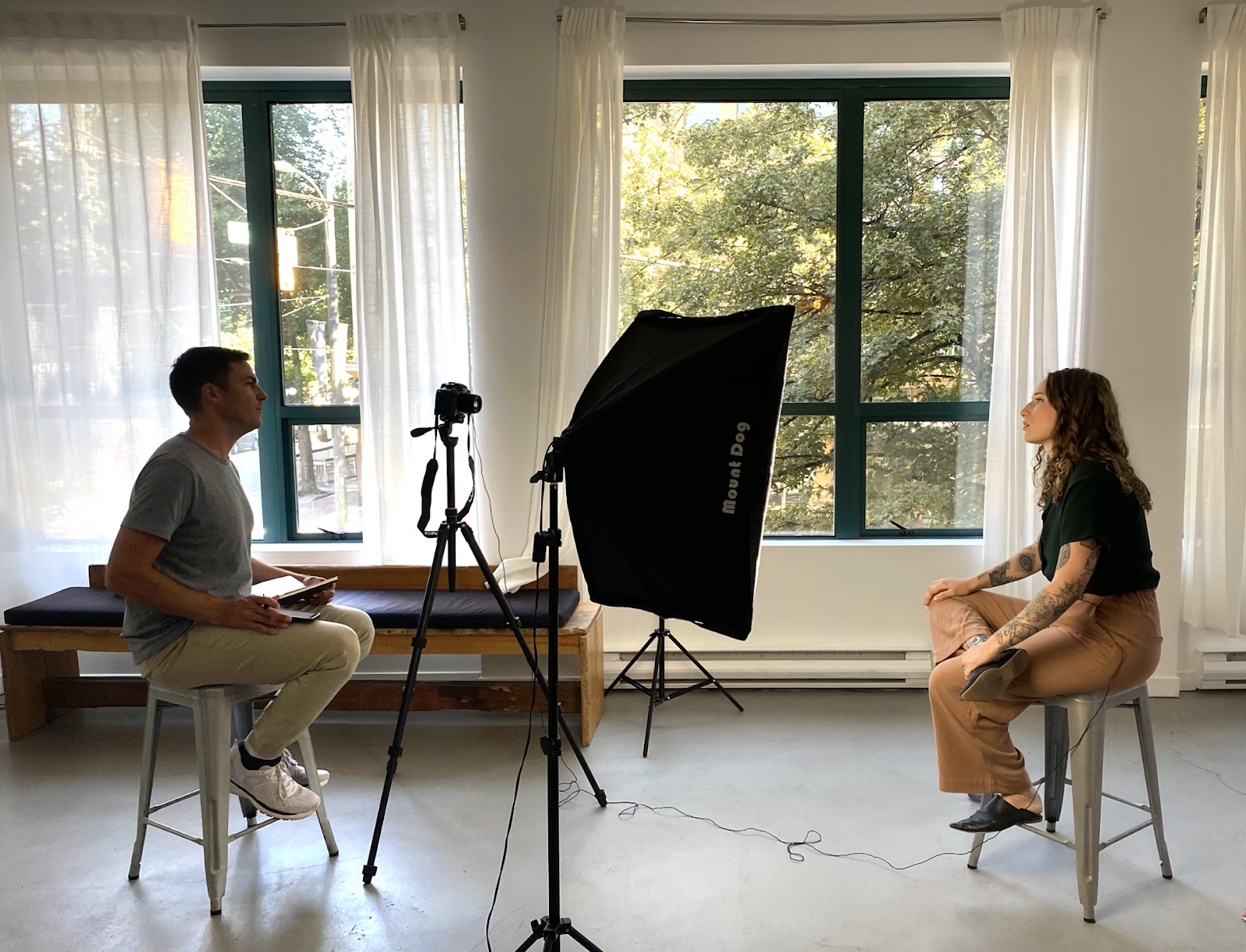
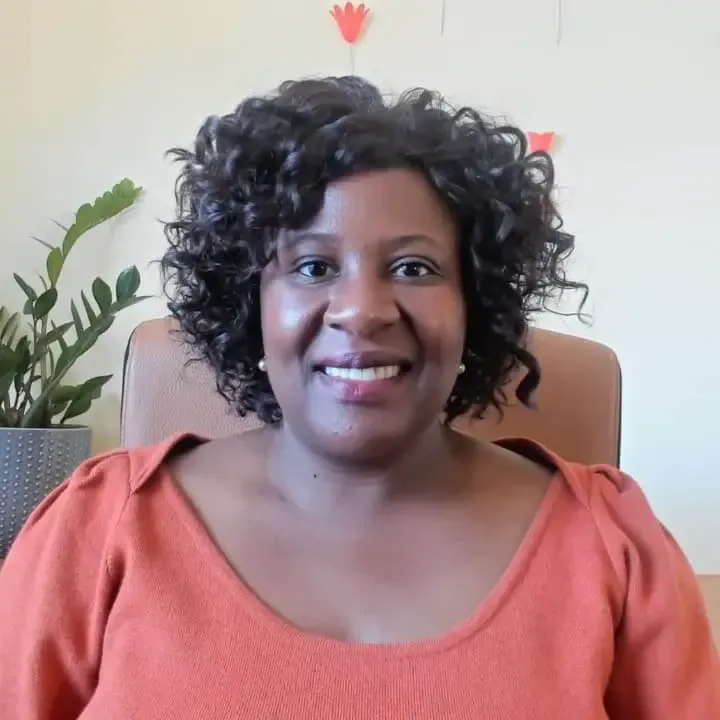
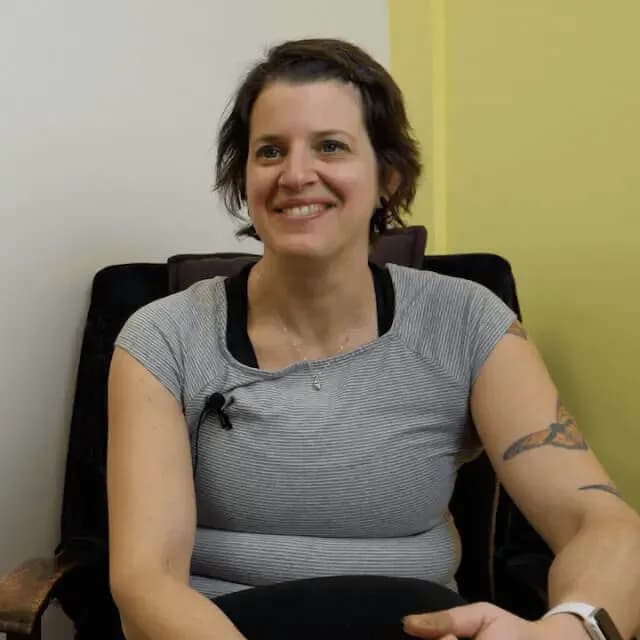
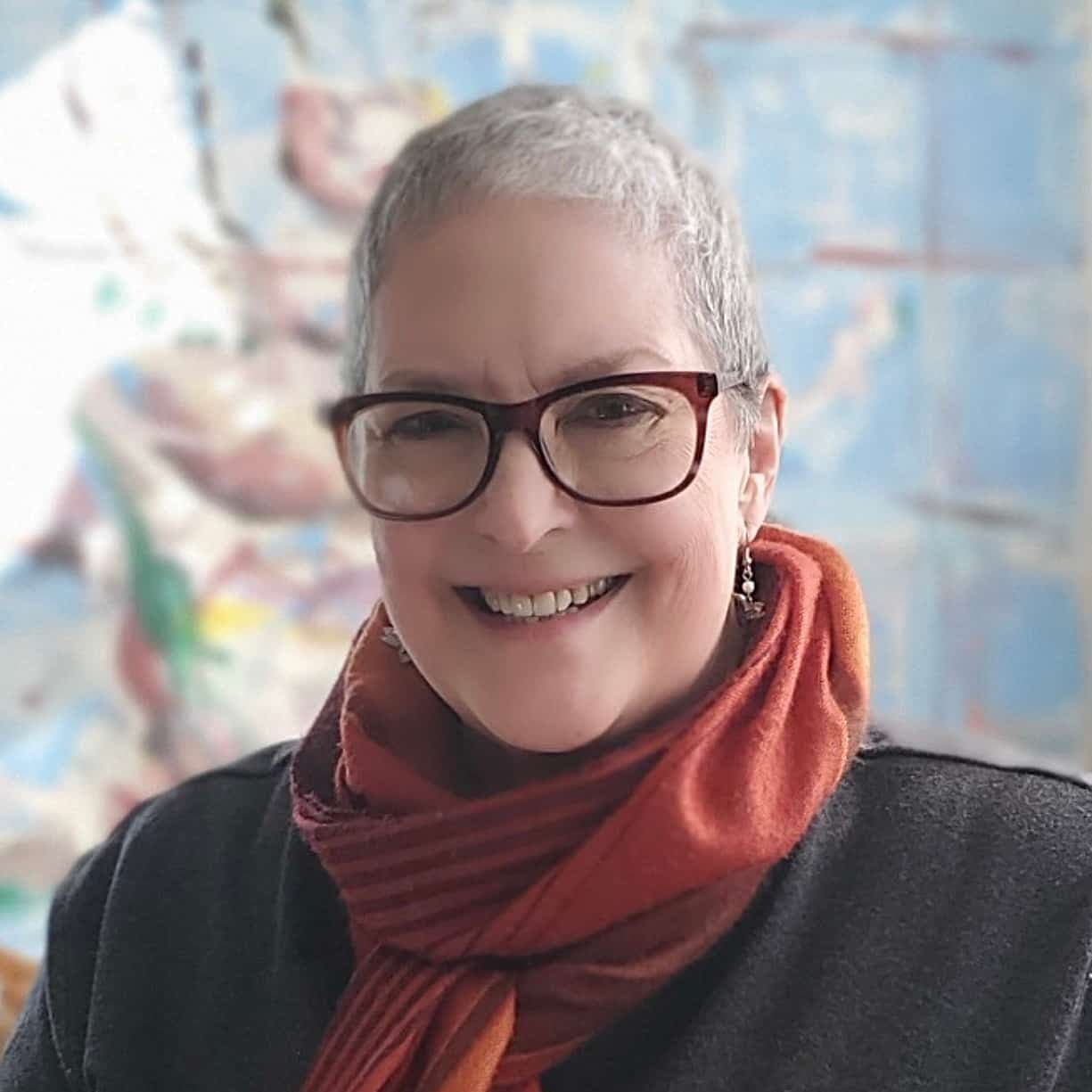
Because addiction therapy often involves discussing difficult or highly personal experiences, finding a therapist you feel comfortable with matters. First Session includes a short intro video on each therapist's profile, so you can get a sense of how they communicate before booking a consultation.
What to Know About Addiction Therapy in Mississauga
Online and In-Person Addiction Therapy
Much of the counselling involved in addiction treatment—including individual therapy, motivational interviewing, and relapse-prevention work—can take place by video. Online therapy can also make it easier to find a therapist who is a good fit, even if they aren't located in Mississauga.
What generally does not move online is medically supervised withdrawal management. If you need monitoring during withdrawal, that requires an appropriate in-person medical or withdrawal-management service.
Addiction Therapy Credentials in Ontario
You may see several different credentials among addiction therapists in Mississauga. Common ones include:
- RP (Registered Psychotherapist): Registered with the College of Registered Psychotherapists of Ontario (CRPO).
- RSW (Registered Social Worker): Registered with the Ontario College of Social Workers and Social Service Workers (OCSWSSW).
- Psychologist: Registered with the College of Psychologists of Ontario (CPO).
- CCAC (Canadian Certified Addiction Counsellor): A voluntary addiction-counselling certification offered through the Canadian Addiction Counsellors Certification Federation (CACCF).
First Session displays each therapist's professional designation and profile information, so you can compare providers and find someone whose training and experience match what you're looking for.
Cost and Insurance
Addiction therapy in Mississauga can range considerably depending on the therapist's credentials, experience, and practice. Private therapy sessions may cost roughly $120 to $350 or more per session.
Your insurance coverage may also depend on the therapist's professional designation. Check your benefits plan to see which providers are eligible—for example, whether it covers Registered Psychotherapists, Registered Social Workers, or psychologists—and whether there is a per-session limit or annual maximum.
First Session displays therapists' fees on their profiles, and therapists provide receipts that you can submit to your insurance provider for reimbursement. Coverage varies by plan, so confirm your benefits before starting therapy.
How to Choose an Addiction Therapist in Mississauga
1Decide whether you need medical support first
Therapy can help you work through substance use and addictive behaviours, but some types of withdrawal require medical supervision. If you're physically dependent on alcohol or certain drugs, or you're concerned about withdrawal symptoms, talk to a physician or contact a local withdrawal-management or addiction medicine service before stopping suddenly. In Mississauga, you can start with a Rapid Access Addiction Medicine (RAAM) clinic, which provides assessment and treatment for substance-use concerns, including help with withdrawal and medication when appropriate.
2Look for addiction-specific experience
Addiction may be one of several concerns a therapist treats, but that doesn't necessarily mean they specialize in it. Look for someone who regularly works with substance use or addictive behaviours and ask about their addiction-specific training and experience. You can also ask how they typically work with the type of concern you're dealing with, whether that's alcohol use, drug use, gambling, or another compulsive behaviour.
3Ask which approaches they use
Different approaches can be useful at different stages of addiction treatment.
Motivational interviewing can be particularly helpful if you're unsure about changing your substance use or are experiencing mixed feelings about stopping. CBT and relapse-prevention approaches can help you identify triggers, change unhelpful patterns, and develop strategies for maintaining the changes you want to make.
Rather than choosing a therapy modality based on its name alone, ask the therapist how they would approach your specific situation.
4Consider whether they treat concurrent concerns
Substance use doesn't always happen in isolation. If you're also dealing with anxiety, depression, trauma, relationship difficulties, or another mental health concern, look for a therapist who is comfortable addressing both.
During your free consultation, ask whether they can treat these concerns alongside addiction or recommend working with another provider.
5Watch the therapist's intro video
Addiction therapy can involve talking openly about things that may feel difficult or uncomfortable. Feeling safe and understood by your therapist can make it easier to be honest about what's happening.
First Session therapists have short intro videos on their profiles, giving you a chance to hear how they communicate and get a sense of their approach before booking a consultation.
6Use the free consultation to ask questions
You don't have to know exactly what kind of therapy you need before reaching out. A free 15-minute consultation can help you determine whether the therapist has experience with your concerns and whether their approach feels like a good fit.
















.jpeg&w=3840&q=75)
-Cropped.webp&w=3840&q=75)
.webp&w=3840&q=75)
-(1)-Cropped.webp&w=3840&q=75)