Internal Family Systems Therapists in Vancouver

Therapists offering Internal Family Systems (IFS) therapy in Vancouver. Available online and in person. Watch intro videos, compare approaches, and book a free 15-minute consultation directly.

Live in Vancouver? Connect with a Internal Family Systems therapist in-person or online.

Licensed Internal Family Systems (IFS) therapists based and insured in British Columbia. All therapists on PST timezone unless otherwise noted.

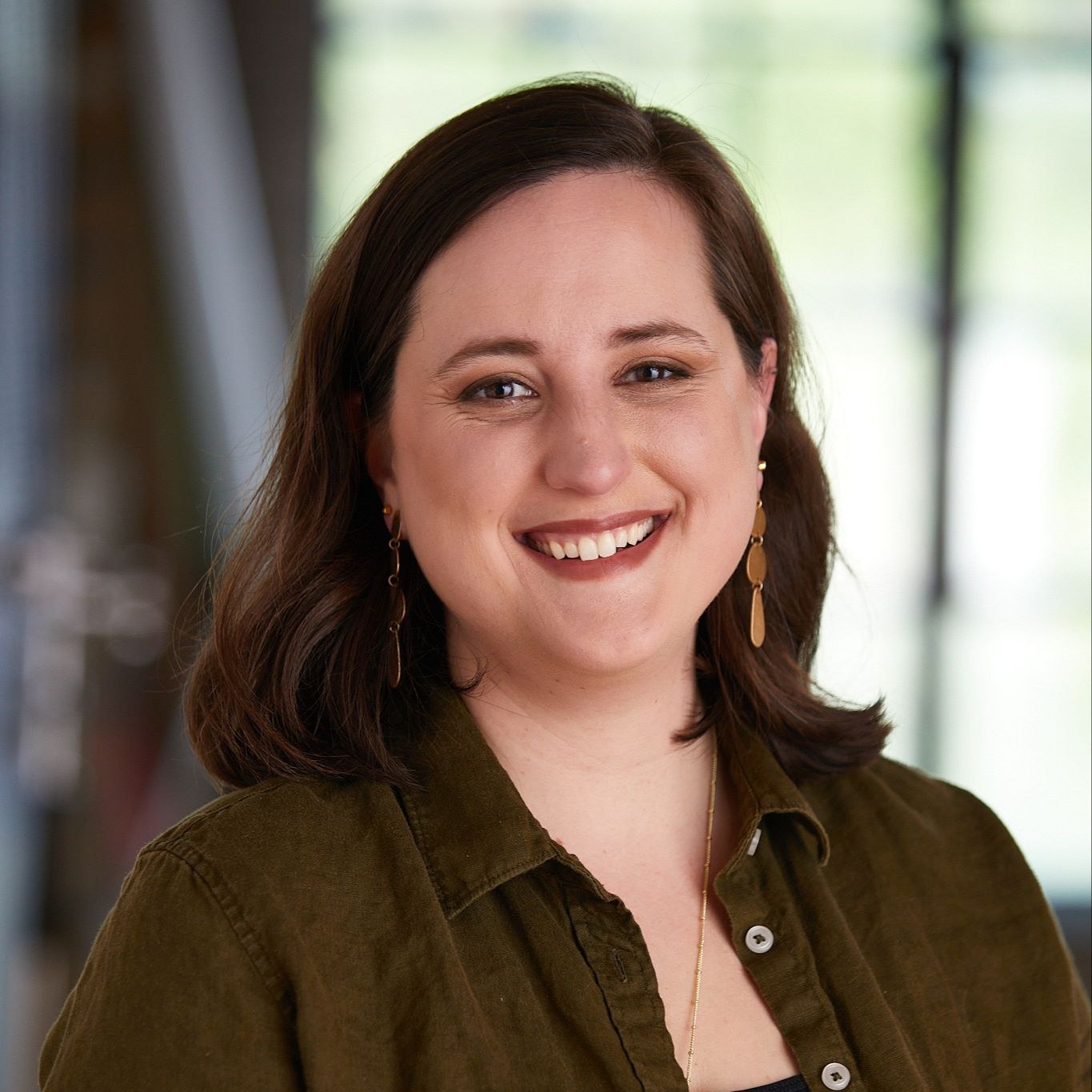
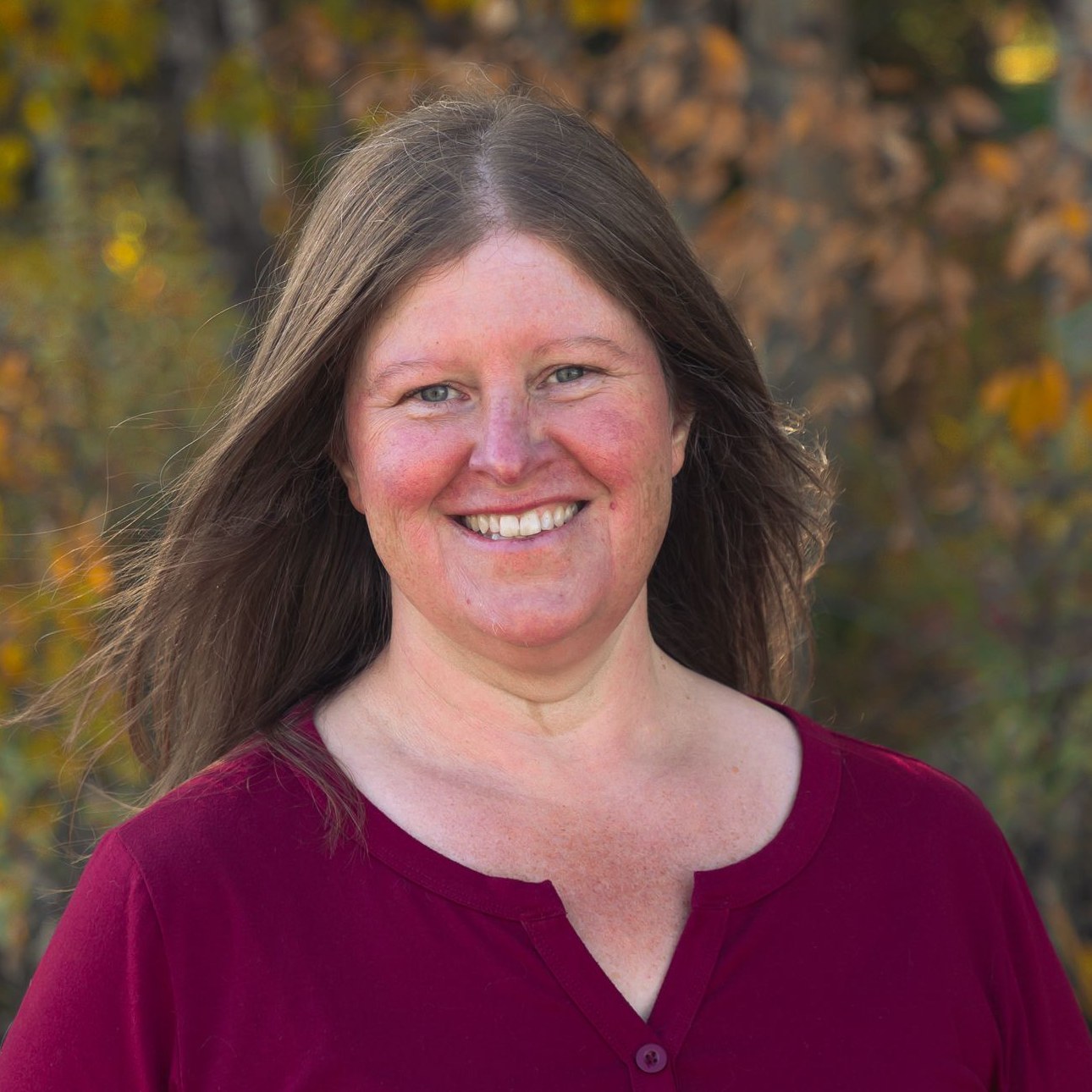
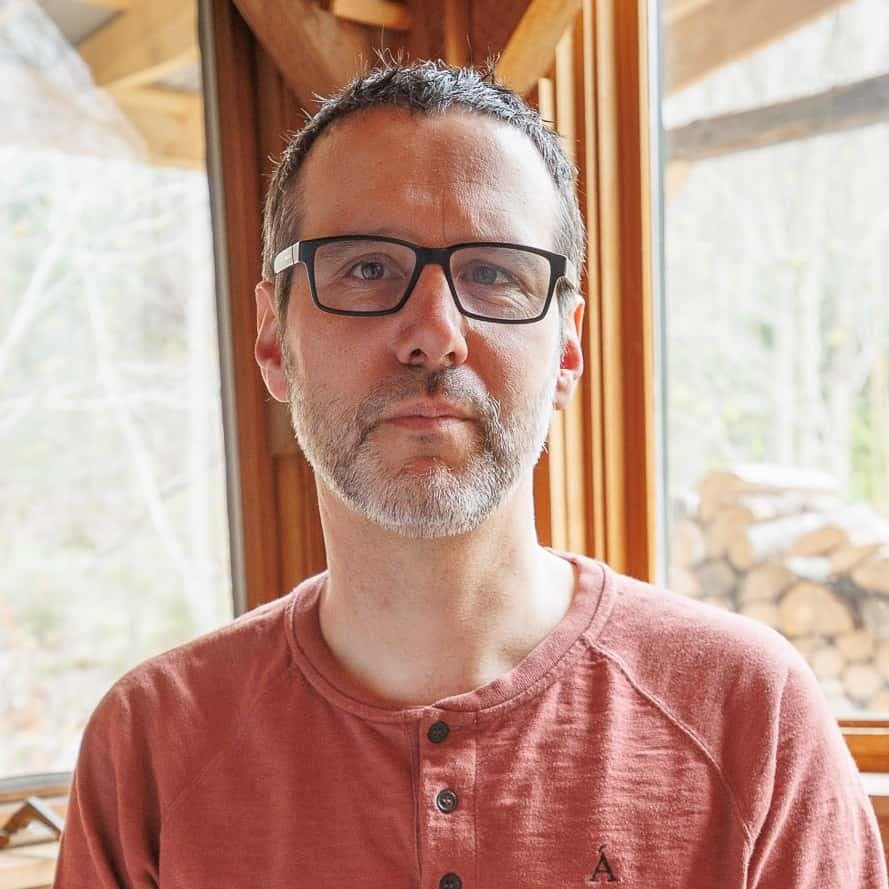
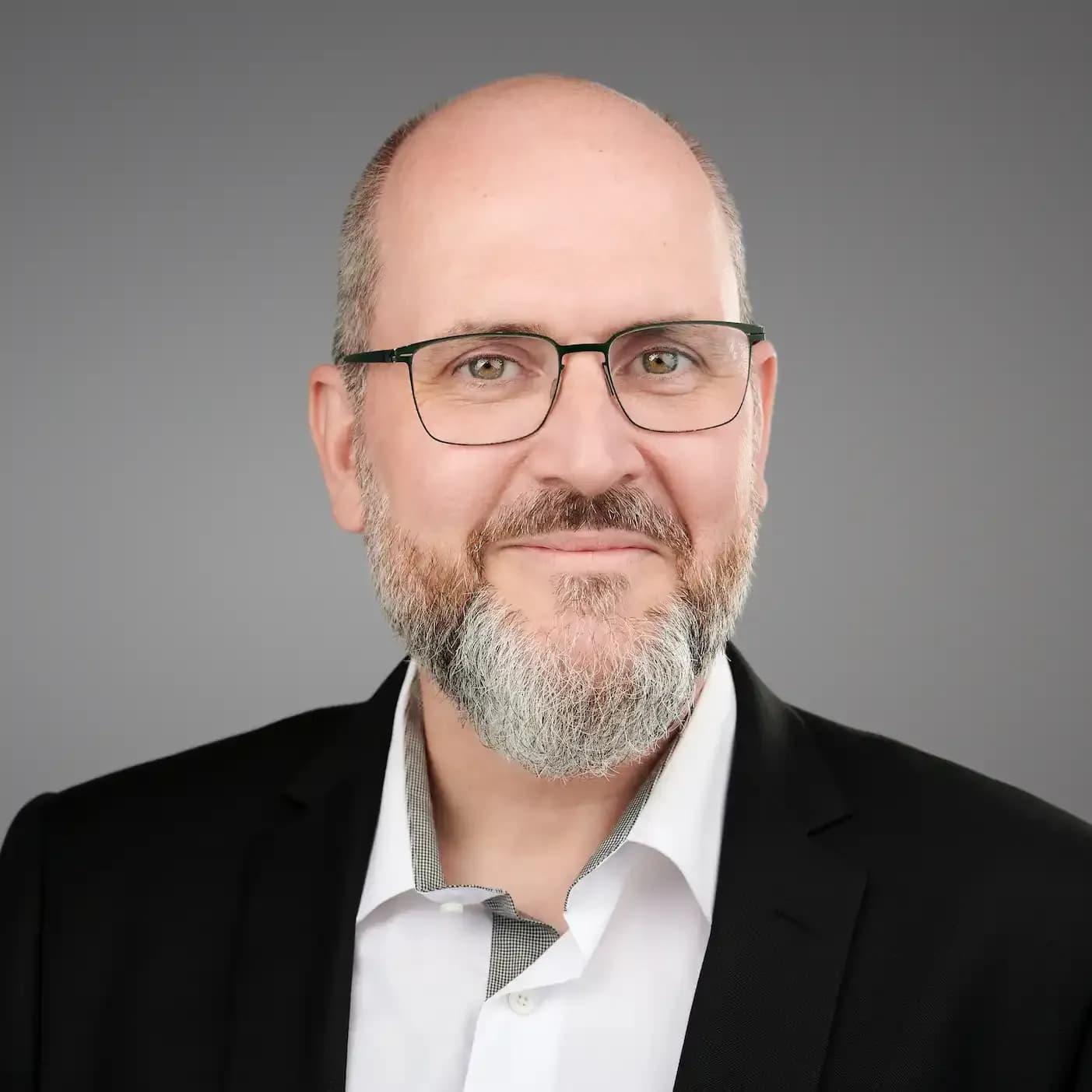
  • Photo of Richard Tatomir

    Richard Tatomir

    Canadian Certified Counsellor

    • Offers in-person (Langley, BC)
    • Virtual sessions in all provinces and territories.
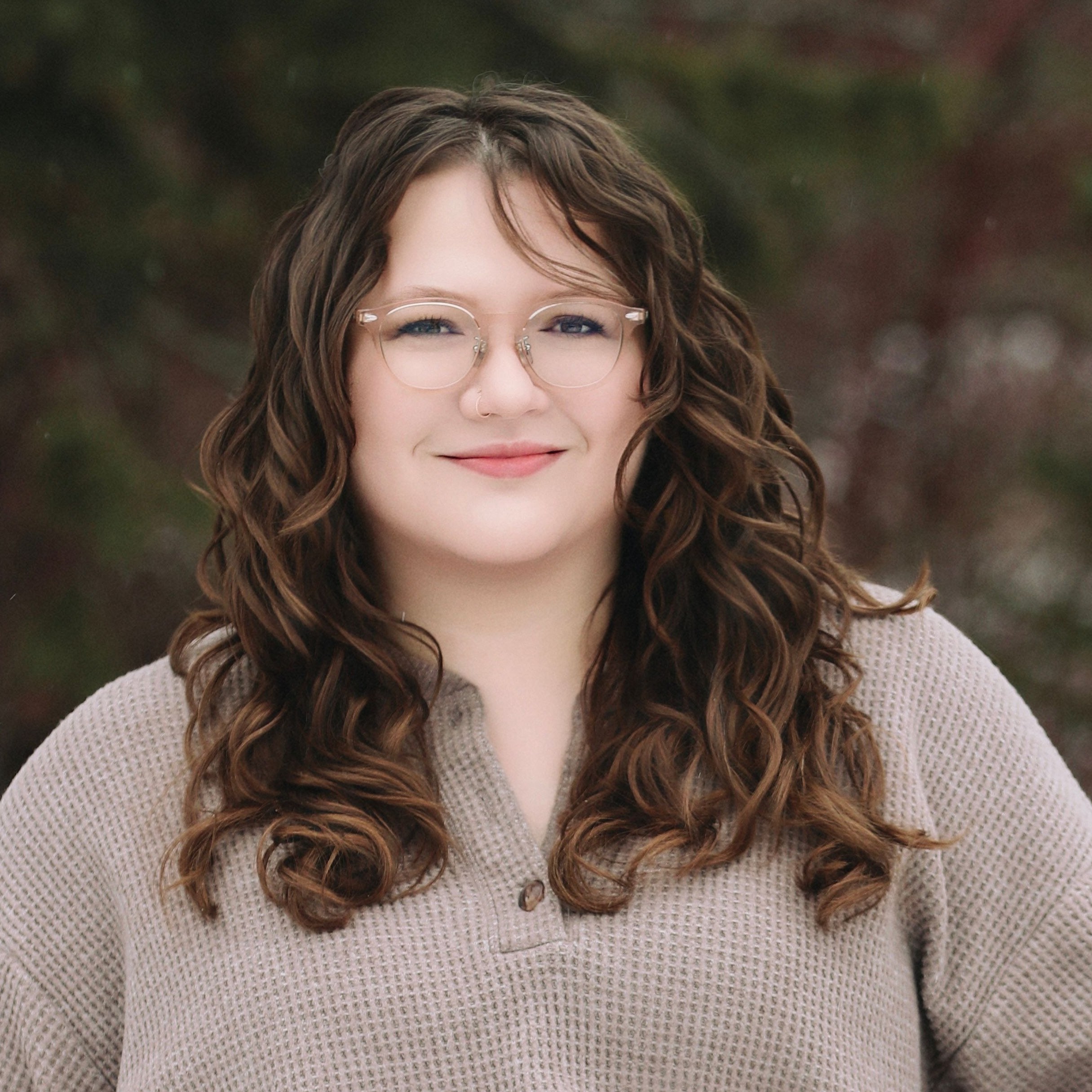
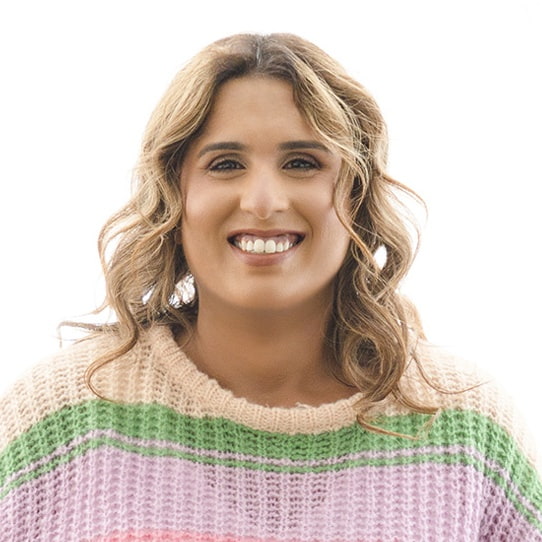
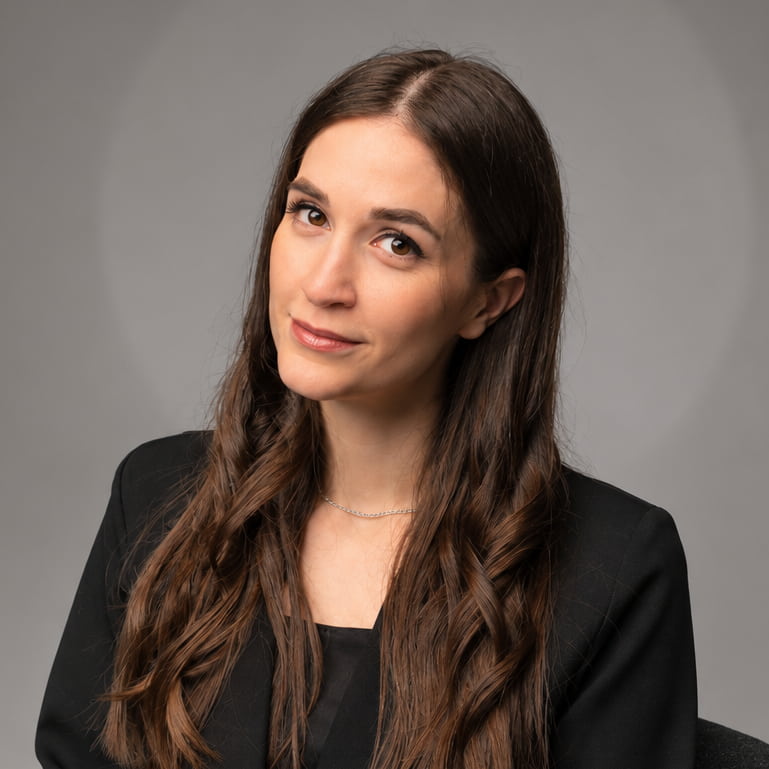
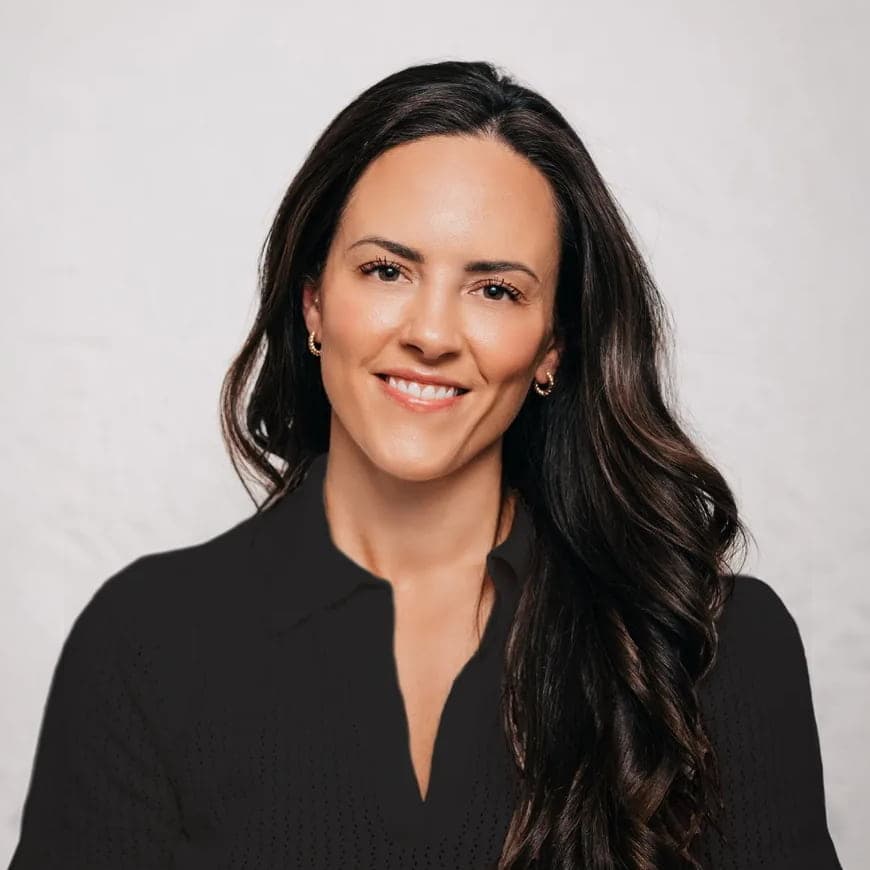
  • Photo of Raquel Ramos Nicolau

    Raquel Ramos Nicolau

    Registered Therapeutic Counsellor

    • Offers in-person (North Vancouver, BC)
    • Virtual sessions in BC
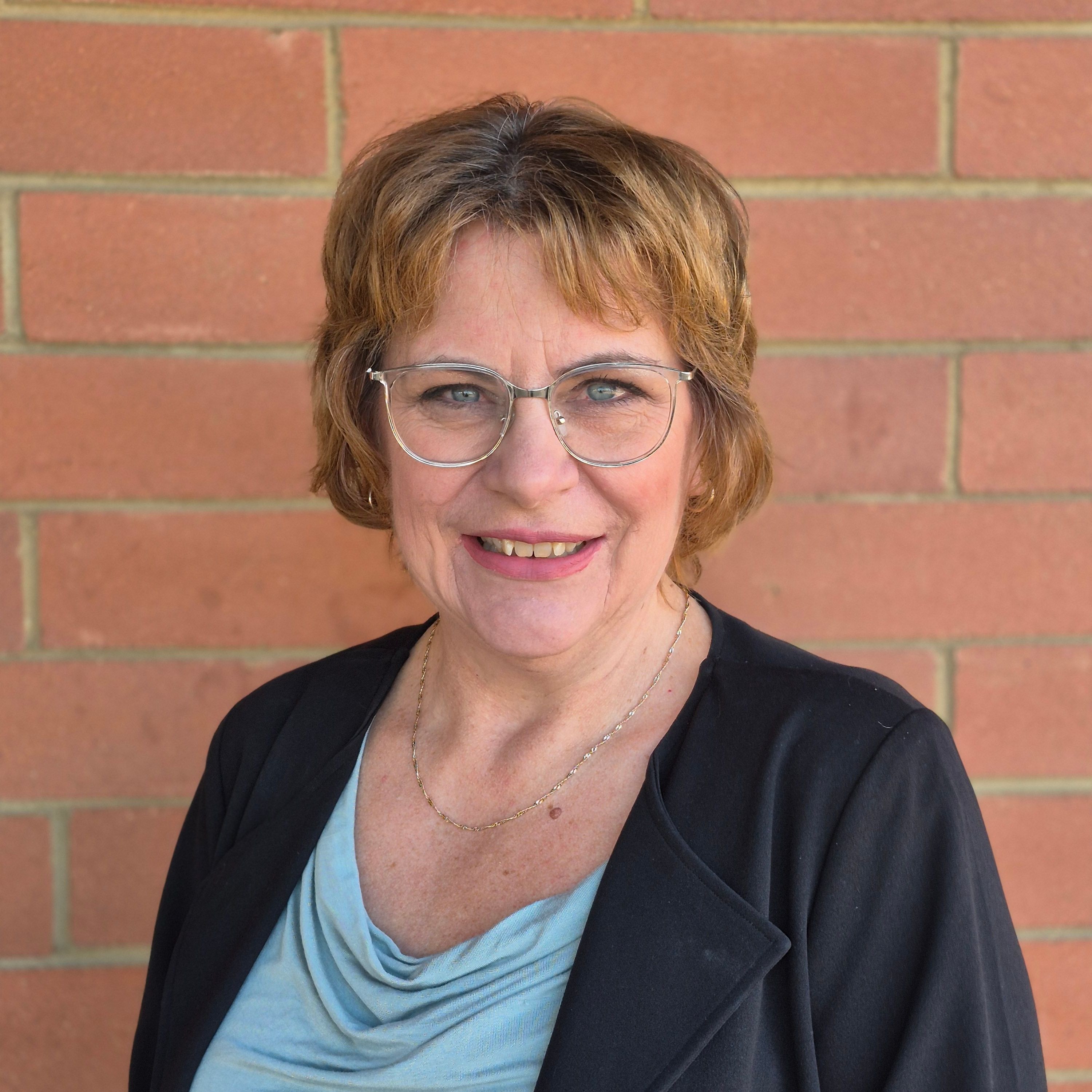
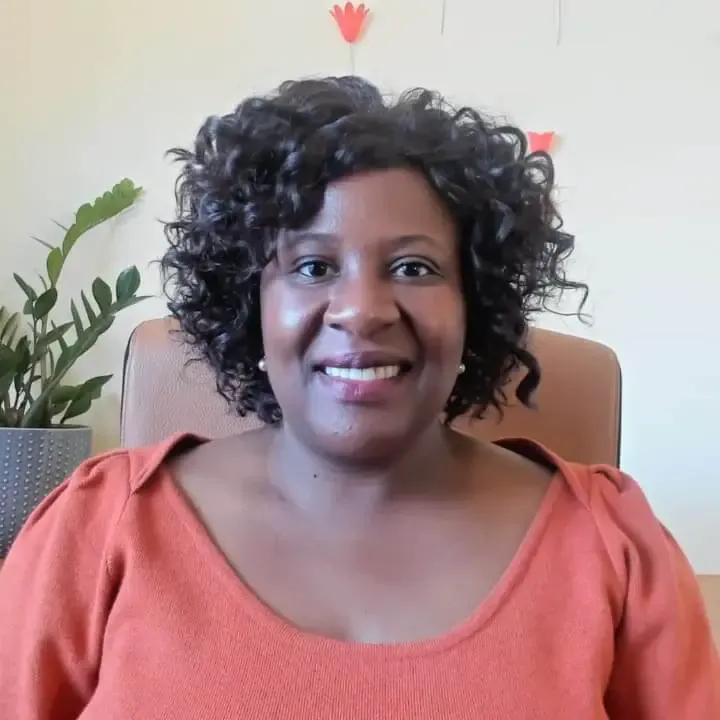
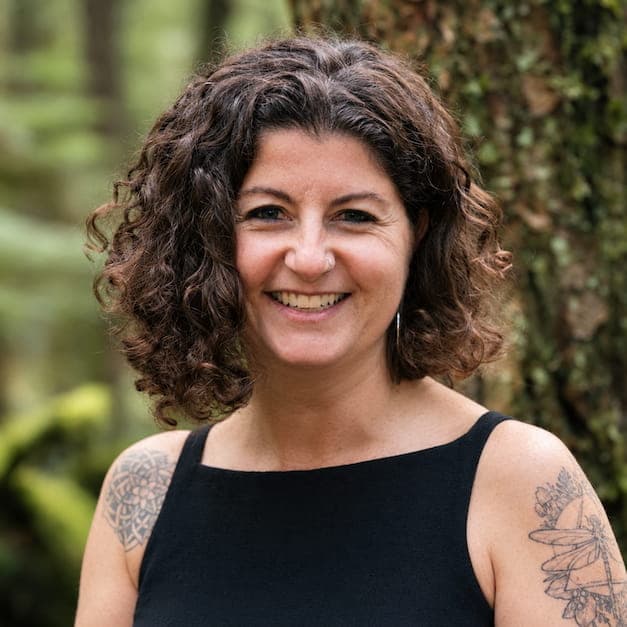
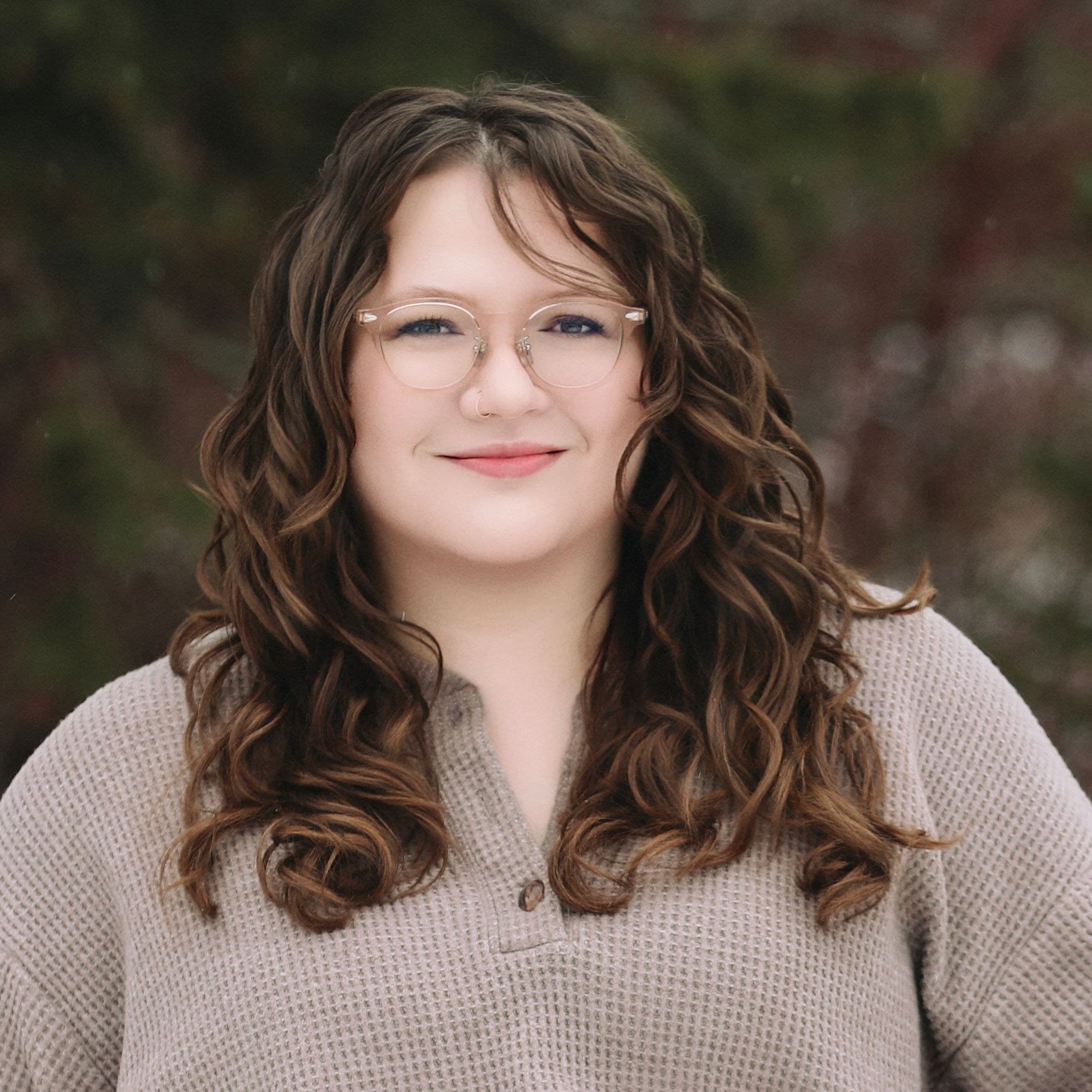
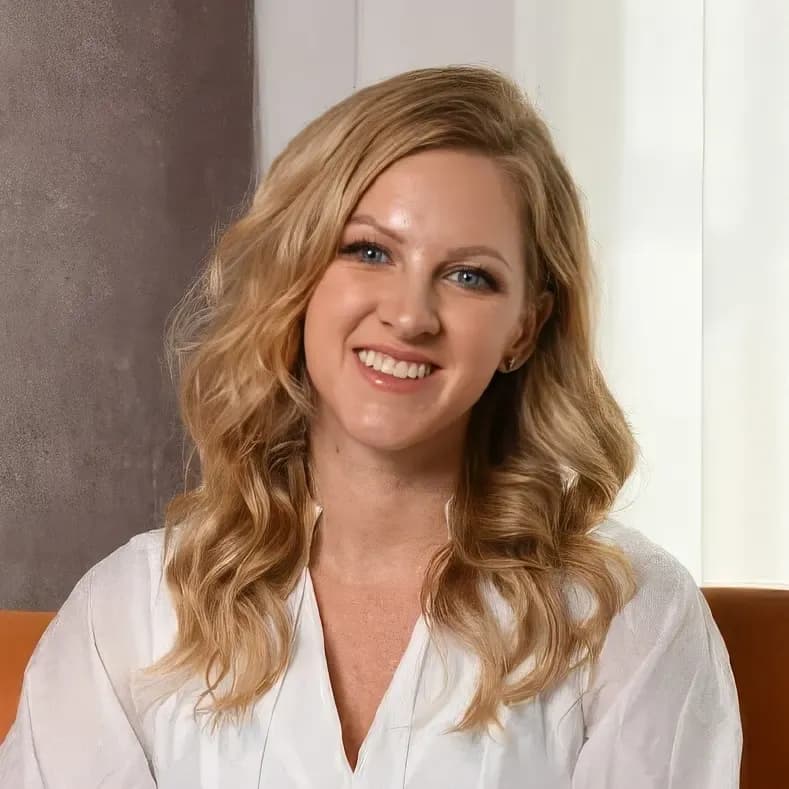
  • Photo of Glory Mulera

    Glory Mulera

    Registered Clinical Counsellor

    • Offers in-person (Vancouver, BC)
    • Virtual sessions in all provinces and territories.
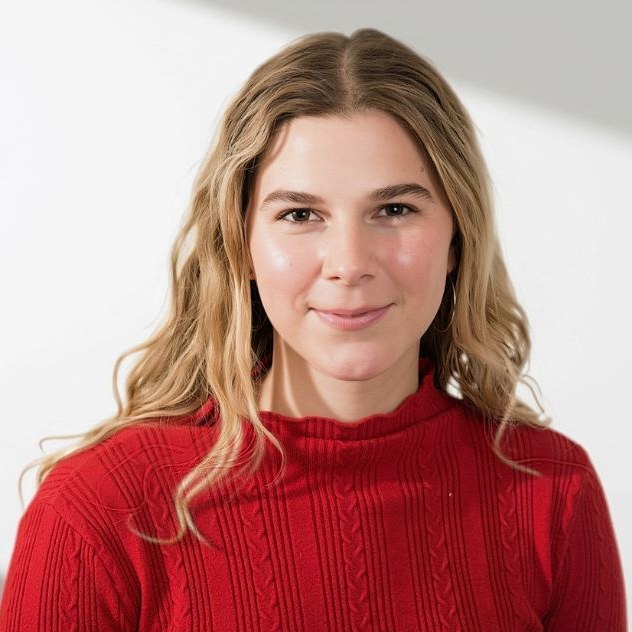
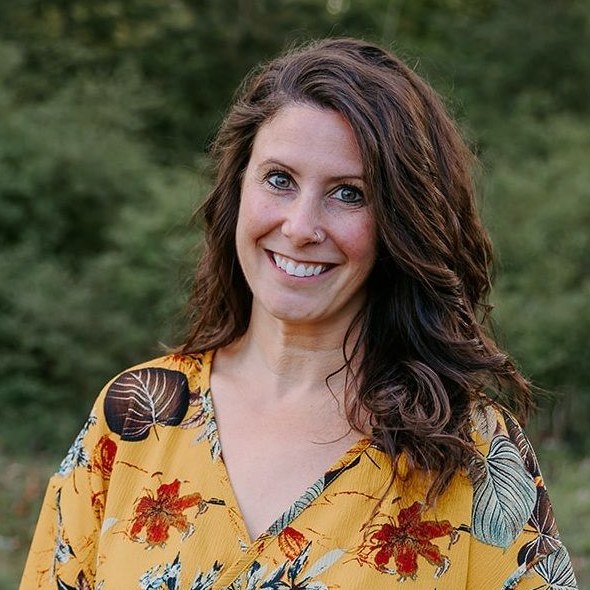
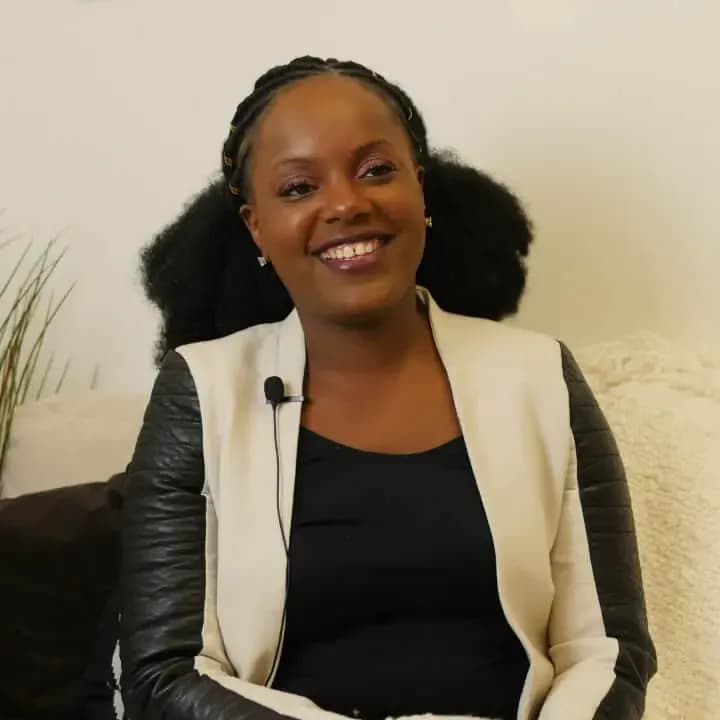
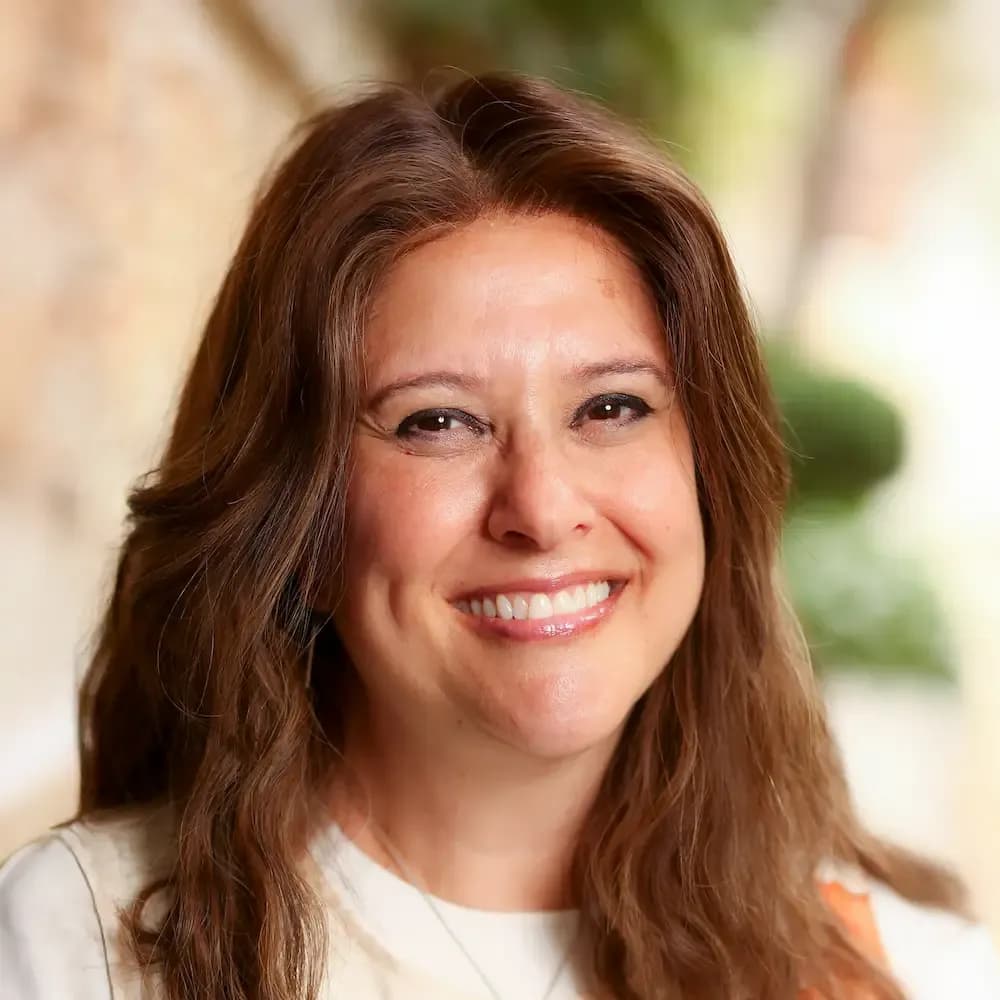
  • Photo of Sadaf Naji

    Sadaf Naji

    Master Practitioner in Clinical Counselling

    • Offers in-person (Coquitlam, BC)
    • Virtual sessions in all provinces and territories.

Online therapy for you in Vancouver.

Out-of-province licensed Internal Family Systems (IFS) therapists insured to provide online therapy in British Columbia. Timezone availability may vary.

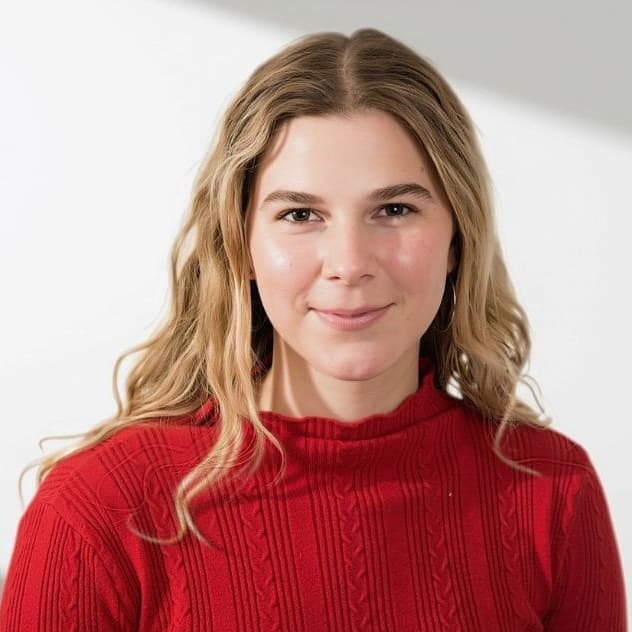
  • Photo of Flip Smith

    Flip Smith

    Registered Psychotherapist (Qualifying)

    • Virtual sessions in all provinces and territories.
  • Photo of Ashley Ploof-Montano

    Ashley Ploof-Montano

    Canadian Certified Counsellor

    • Virtual sessions in AB, BC, MB, NU, NT, SK
  • Photo of Colin (Heron) Payne

    Colin (Heron) Payne

    Registered Therapeutic Counsellor

    • Virtual sessions in AB, BC, MB, NL, NT, SK, YT
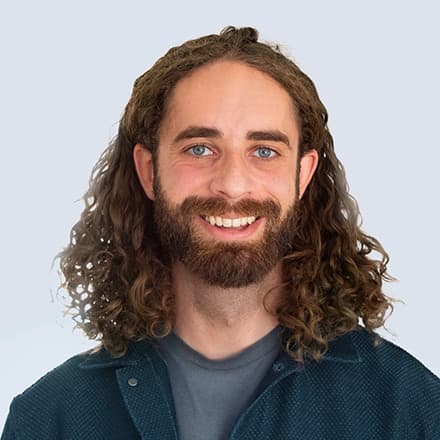
  • Photo of Jordan Wiener

    Jordan Wiener

    Registered Psychotherapist (Qualifying)

    • Virtual sessions in ON, BC, AB, MB, SK, YT, NT, NU, NL
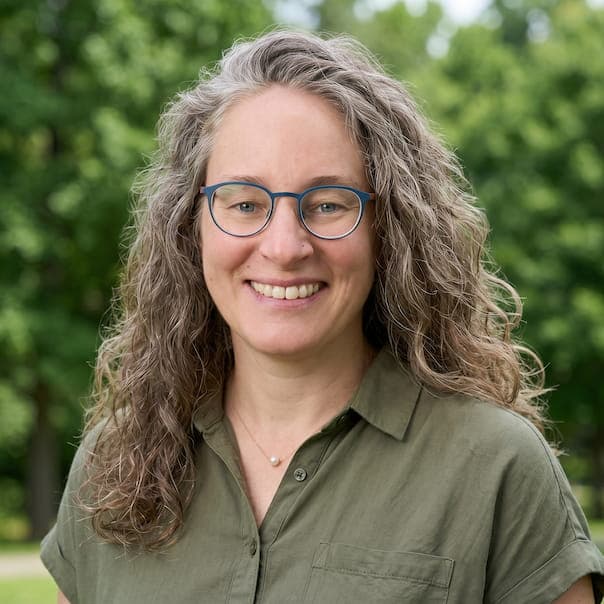
  • Photo of Tania Hernandez

    Tania Hernandez

    Registered Psychotherapist

    • Virtual sessions in AB, BC, ON, MB, SK
  • Photo of Cathy Brehaut

    Cathy Brehaut

    Canadian Certified Counsellor

    • Offers in-person (Calgary, AB)
    • Virtual sessions in AB, BC, MB, NT, SK
  • Photo of Kerri Read

    Kerri Read

    Registered Psychotherapist (Qualifying)

    • Offers in-person (Tilsonburg, ON)
    • Virtual sessions in ON, BC, AB, MB
  • Photo of Yemisi Odesilo

    Yemisi Odesilo

    Registered Psychotherapist (Qualifying)

    • Virtual sessions in all provinces and territories.
  • Photo of Emmet O'Reilly

    Emmet O'Reilly

    Registered Psychotherapist (Qualifying)

    • Virtual sessions in ON, NL, BC, MB, SK
  • Photo of Melissa Melnychuk

    Melissa Melnychuk

    Registered Psychotherapist

    • Virtual sessions in all provinces and territories.
  • Photo of Ariella Boehm

    Ariella Boehm

    Registered Psychotherapist

    • Offers in-person (Toronto, ON)
    • Virtual sessions in ON, AB, BC, MB, NL, NT, NU, SK, YT
  • Photo of Vanessa Liu

    Vanessa Liu

    Registered Psychotherapist (Qualifying)

    • Virtual sessions in ON, NT, YT, NU, AB, BC, NL, SK

What is Internal Family Systems (IFS) therapy?

Internal Family Systems (IFS) is a therapeutic approach developed by Dr. Richard Schwartz that works with the different parts of the self: the inner voices, feelings, and patterns that each have their own perspectives, roles, and histories. Rather than seeing internal conflict as a problem to be fixed, IFS sees it as a natural expression of a complex inner system.

In IFS, the therapist helps you get to know these different parts, including the protective parts that manage anxiety, avoid difficult feelings, or keep you safe, and more vulnerable, exiled parts that carry old pain, shame, or fear. The goal is to help you access your core Self - a calm, compassionate, curious inner state - and from that place, heal and transform the parts that are burdened.

IFS is used for trauma, anxiety, depression, perfectionism, inner critic work, shame, eating disorders, chronic stress, relationship patterns, and more. It is also popular with people who have done other forms of therapy and feel they've reached a ceiling. IFS often reveals different, deeper layers of change.

What to know about IFS therapy in Vancouver

In-person and online IFS in Vancouver

IFS adapts well to online sessions. Since much of the work in IFS is internal, guided, and verbal, it is well-suited to an online format. That said, some therapists also offer in-person IFS sessions in Vancouver. If in-person is important to you, you can filter session type accordingly and confirm availability in the free initial consultation. 

Levels of IFS training

IFS has a formal training programme with multiple levels. Therapists may describe themselves as IFS-informed (familiar with the model but not formally trained), IFS Level 1 or 2 trained (having completed formal IFS Institute training), or IFS certified (having met the full IFS Institute certification requirements). Ask the therapist about their specific IFS training when you connect.

BC credentials for IFS therapists

IFS is an approach, not a regulated credential. Any licensed therapist may integrate IFS. Common designations in Vancouver:

  • Registered Clinical Counsellor (RCC) - regulated by the BCACC; the most common counselling credential in BC
  • Registered Social Worker (RSW) - regulated by the BC College of Social Workers
  • Registered Psychotherapist (RP) - primarily an Ontario designation; may appear on out-of-province therapists providing online care in BC

Check your insurance plan to confirm which designations are covered. All First Session therapists provide receipts for reimbursement.

How to choose an IFS therapist in Vancouver

1. What is their level of IFS training?

Ask whether they have completed formal IFS Institute training and, if so, at what level. IFS-informed therapists have read about the model; Level 1+ trained therapists have done supervised IFS practice. Both can be effective, but formal training matters for deeper or trauma-focused IFS work.

2. Do they use IFS as their primary approach or as one tool?

Some therapists work primarily within the IFS model. Others integrate IFS alongside somatic work, EMDR, attachment-based therapy, or other approaches. Ask how they use IFS specifically. A therapist who blends IFS with somatic work is different from a pure IFS practitioner.

3. Do they have experience with your specific concern?

IFS is used across a wide range of issues. Make sure the therapist's stated specialties align with what you're bringing. Trauma-focused IFS work differs from IFS for perfectionism or relationship patterns.

4. Use the free consultation

Ask: What is your IFS training background? How do you typically use IFS with someone dealing with [your concern]? What would the first few sessions look like?


“I wish I’d known about this platform sooner! I loved the introductory videos–this is what helped me choose the therapist to book an intro consultation with.”

First Session Client, 2025

Helping Every Therapy Seeker Find the Right Fit

Compatibility is the most important factor when choosing a therapist. But finding the right fit isn’t easy. First Session takes the time, guesswork, and emotional labour out of that process.

  • Search a curated therapist network

    Narrow your search to a list of rigorously vetted therapists you’ll actually consider booking. Because finding a therapist shouldn’t involve reading endless generic bios.

  • Assess for fit before you commit

    Decide if a therapist is the right fit for you before booking with interview videos and in-depth bios. No more switching or re-telling your private feelings and story

  • Book directly (and instantly)

    Schedule an available session or free consultation right from the First Session platform. No 3rd party intake calls or back and forth emailing required.

Free yourself from the stress of endless searching and switching

Convenience-first approach to finding a Internal Family Systems (IFS)

  • Burnout from endless search results and unhelpful Internal Family Systems (IFS) profiles.
  • Disappointment and frustration from generic intake calls and unproductive ‘free’ consultations.
  • Emotional stress from repeatedly revealing private thoughts and feelings to incompatible Internal Family Systems (IFS)s
  • Stalled mental health progress because of limited availability, timezone differences, or constantly switching providers
  • Risk of abandoning therapy process altogether because of frustration, exhaustion, or depression

Connection-first approach to finding a Internal Family Systems (IFS) with First Session

  • Instantly create a short-list of Internal Family Systems (IFS)s qualified to support your journey
  • Get to know a Internal Family Systems (IFS)’s personality, approach, and experience before booking
  • Share your private history, thoughts, and feelings only if there’s a connection
  • Save time and minimize stress by finding the right fit without endless switching
  • Make meaningful progress sooner and commit to lasting, meaningful change

Frequently Asked Questions

What is IFS therapy used for?

IFS is well-suited for trauma and PTSD, anxiety, depression, perfectionism and the inner critic, shame and low self-esteem, eating disorders, chronic stress, relationship patterns, grief, and people who feel stuck or have found other therapy helpful but incomplete. It is also widely used for general personal growth and self-understanding.

Is IFS therapy the same as parts work?

Parts work is a broad umbrella term that encompasses several therapeutic approaches that address different parts or aspects of the self, including IFS, Voice Dialogue, and ego state therapy, among others. IFS is the most structured and widely recognized of these approaches. When a therapist mentions parts work, they may mean IFS specifically or a broader integration of parts-based thinking. Ask them directly.

How long does IFS therapy typically take?

It depends on the complexity of what you're working on. Some people experience significant change within 10-20 sessions. Others work in IFS for a year or more, particularly when the work involves deeper trauma or complex relational patterns. Your therapist can give you a realistic sense after the first couple of sessions.

Can IFS therapy be done online?

Yes. IFS adapts well to online sessions. Much of the work is guided internally. The therapist helps you access and communicate with your parts through awareness, imagery, and internal dialogue, which works effectively in online sessions.

Does insurance cover IFS therapy in Vancouver?

Yes. Coverage is based on the therapist's designation, not their approach. IFS sessions with a Registered Clinical Counsellor (RCC) or Registered Social Worker (RSW) are reimbursable under most BC benefit plans that cover those designations. Check your plan and confirm the therapist's designation.

Find your IFS therapist in Vancouver.

Watch intro videos, compare approaches, and book a free 15-minute consultation with the therapists who feel like the right fit. No intake calls, no back-and-forth - just direct booking.