Find BIPOC Therapists in Canada
Connect with therapists who understand your unique experiences as a BIPOC individual, including cultural identity, discrimination, and intergenerational trauma.
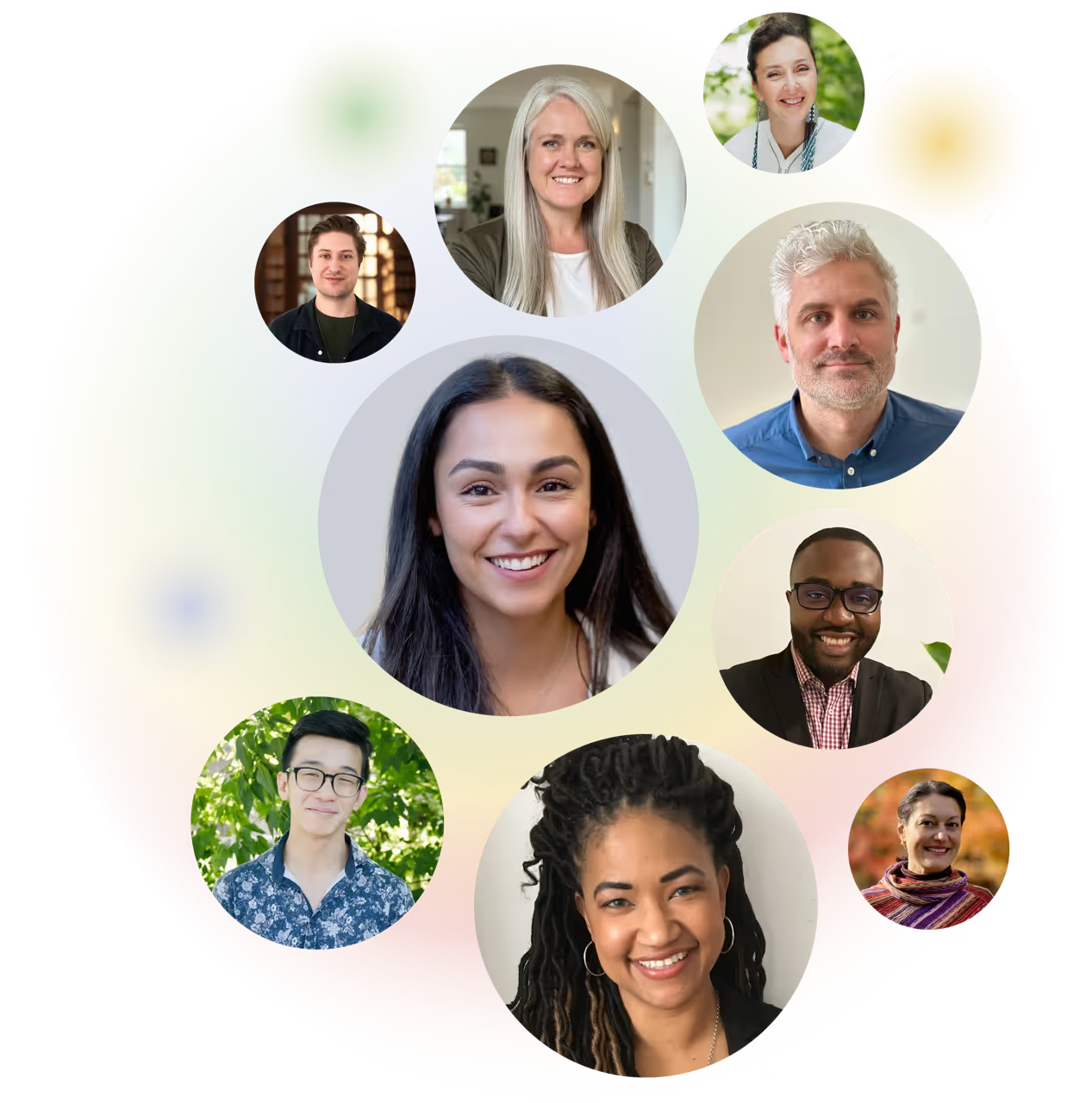
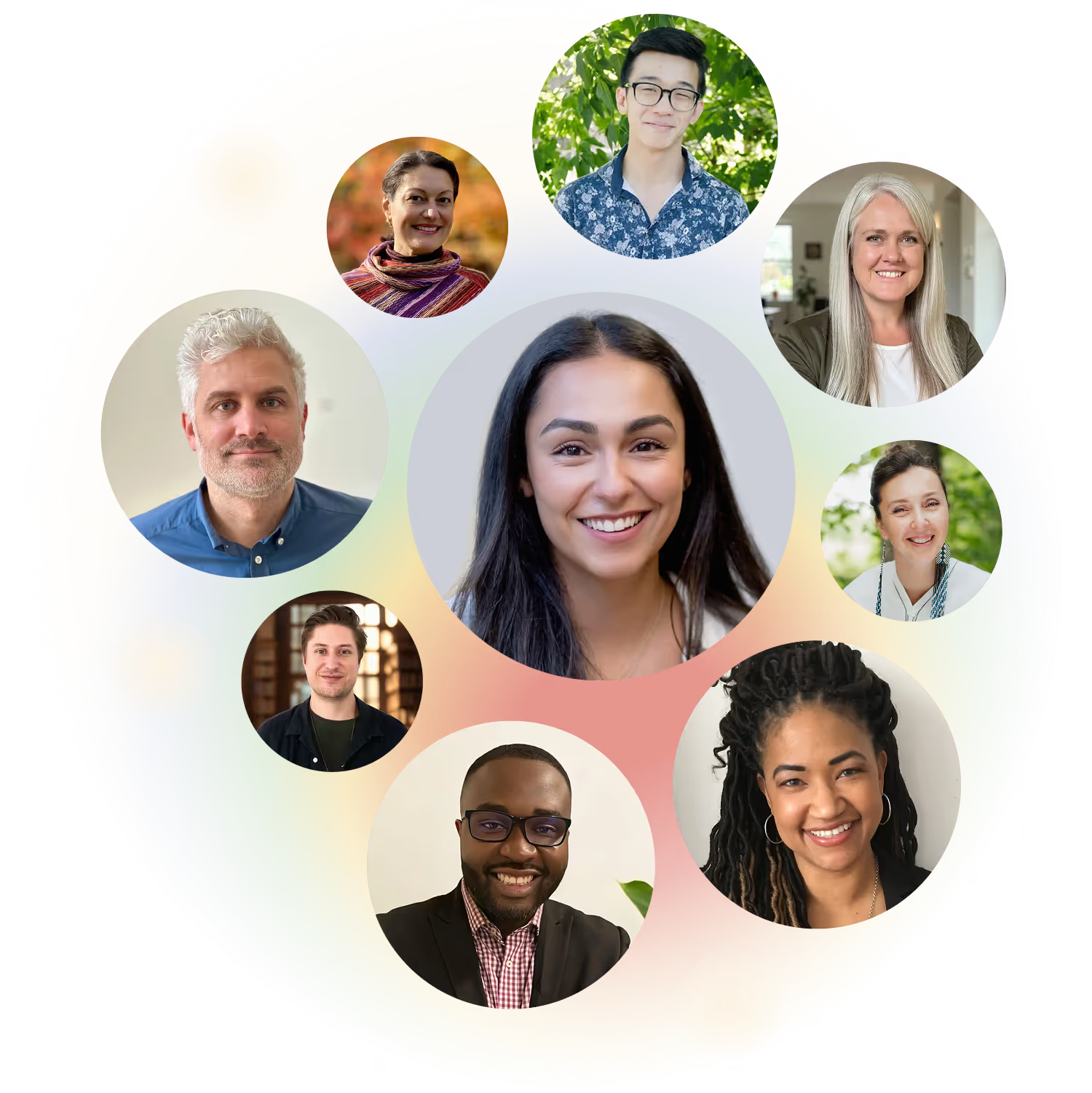
Finding a therapist who truly understands your experiences as a Black, Indigenous, or Person of Color can make a meaningful difference in your healing journey. Whether you're navigating racial trauma, cultural identity challenges, microaggressions, or the effects of systemic discrimination, working with a culturally competent therapist may help you feel seen, heard, and supported in ways that honor your lived experience.
First Session connects you with therapists across Canada who specialize in working with BIPOC communities. Each therapist has credentials verified during onboarding and offers an introductory video so you can get a sense of their approach before reaching out. Browse profiles, book free consultations, and find a therapist who feels like the right fit for your unique needs.
Matthew Lam
.webp)
Matthew Lam
Samudyatha Hiremagalore

Samudyatha Hiremagalore
Sheema Khan

Sheema Khan
Sieran Yung
%20Cropped.webp)
Sieran Yung
Atheesan Mahendrarajah

Atheesan Mahendrarajah
Natasha Mano
.webp)
Natasha Mano
Thiviyan Sithganesan

Thiviyan Sithganesan
Luigi Garde

Luigi Garde
Terence To

Terence To
Hana Urushizawa

Hana Urushizawa
Julianna Harry

Julianna Harry
Lauren Robertson

Lauren Robertson

Therapy is hard work.
Culturally competent therapy means working with a therapist who understands and respects the cultural, racial, and ethnic backgrounds that shape your identity and experiences. This includes recognizing how racism, discrimination, and cultural factors can impact mental health, and creating a therapeutic space where your experiences are validated rather than minimized. A culturally competent therapist may help you explore challenges related to identity, belonging, intergenerational trauma, and navigating predominantly white spaces, while honoring the strengths and resilience within your community. When choosing a therapist, consider what makes a good therapeutic fit and don't hesitate to schedule consultations with multiple therapists to find someone who truly understands your perspective.
Therapy can support BIPOC individuals in processing experiences of racial trauma, microaggressions, discrimination, and the cumulative stress of navigating systems that weren't built with your community in mind. A culturally aware therapist may help you develop coping strategies for dealing with racism, explore your cultural identity, heal from intergenerational trauma, and strengthen your sense of self-worth in the face of societal messages that may undermine it. Therapy can also provide a space to address anxiety, depression, relationship challenges, and other concerns through a lens that honors your cultural context. Learn more about therapy costs in Canada and explore our therapist vetting process to understand how we ensure quality care.
Working with a therapist who specializes in BIPOC experiences often means you won't have to explain the basics of racism, code-switching, or cultural pressure—they already understand these realities. Your therapist may help you explore how your racial and cultural identity intersects with your mental health, validate experiences that others have dismissed, and support you in developing resilience while honoring the very real impact of systemic oppression. Sessions typically focus on your specific concerns, whether that's processing a discriminatory incident, navigating family expectations, healing from trauma, or building confidence in your identity. Many BIPOC-focused therapists integrate culturally relevant approaches and recognize the importance of community, spirituality, and collective healing alongside individual growth. If you're unsure whether therapy is right for you, consider reading about building a strong therapeutic relationship.
First Session makes it easy to find therapists across Canada who specialize in working with BIPOC communities. You can browse therapist profiles that include their areas of focus, approach, and introductory videos, allowing you to get a sense of who they are before making contact. When searching, look for therapists who explicitly mention experience with racial trauma, cultural identity, or specific communities you identify with. Don't hesitate to reach out to multiple therapists—finding the right fit is important, and most therapists offer initial consultations where you can ask about their experience and approach. You can also explore online versus in-person therapy to determine what format works best for your needs and schedule.
Therapy can be valuable for anyone navigating challenging experiences, and as a BIPOC individual, you may face unique stressors that benefit from professional support. If you're dealing with the emotional toll of discrimination, feeling isolated in predominantly white spaces, struggling with cultural identity, processing intergenerational trauma, or simply feeling overwhelmed by the weight of navigating racism while managing everyday life, therapy may offer meaningful support. It's also important to acknowledge that seeking therapy can feel complicated in communities where mental health stigma exists or where there's historical mistrust of healthcare systems. A culturally competent therapist will understand these concerns and work to create a safe, affirming space. Consider exploring signs of a good therapist to help you identify what to look for in a therapeutic relationship.
Getting started is straightforward: browse therapist profiles on First Session, watch their introductory videos to get a sense of their style and approach, and book free consultations with therapists who resonate with you. During these consultations, ask about their experience working with BIPOC clients, their understanding of racial trauma and cultural issues, and their therapeutic approach. Pay attention to how you feel in the conversation—does the therapist seem to understand your experiences without you having to over-explain? Do they validate your concerns? Once you find someone who feels like a good fit, you can schedule your first session. Many therapists offer both online and in-person options, and you can discuss logistics like costs and payment during your consultation. Remember, finding the right therapist may take time, and that's completely normal.