Brainspotting Therapists
Brainspotting is a therapeutic approach that uses specific eye positions to help access and process emotional experiences. Browse therapists trained in this method and find someone who feels right for you.

Brainspotting is a focused therapeutic technique that works with the connection between eye positions and emotional processing in the brain. Developed by Dr. David Grand in 2003, this approach helps people access deeper areas of the brain where trauma and difficult emotions may be stored. By locating specific eye positions—called "brainspots"—while maintaining a mindful awareness, the brain's natural capacity for healing can be supported.
Many people find brainspotting helpful for working through trauma, anxiety, grief, and other emotional challenges. On First Session, you can browse therapists who offer brainspotting, watch their intro videos, and learn about their approach before booking. With both online and in-person options available, you can find a format that works best for you.
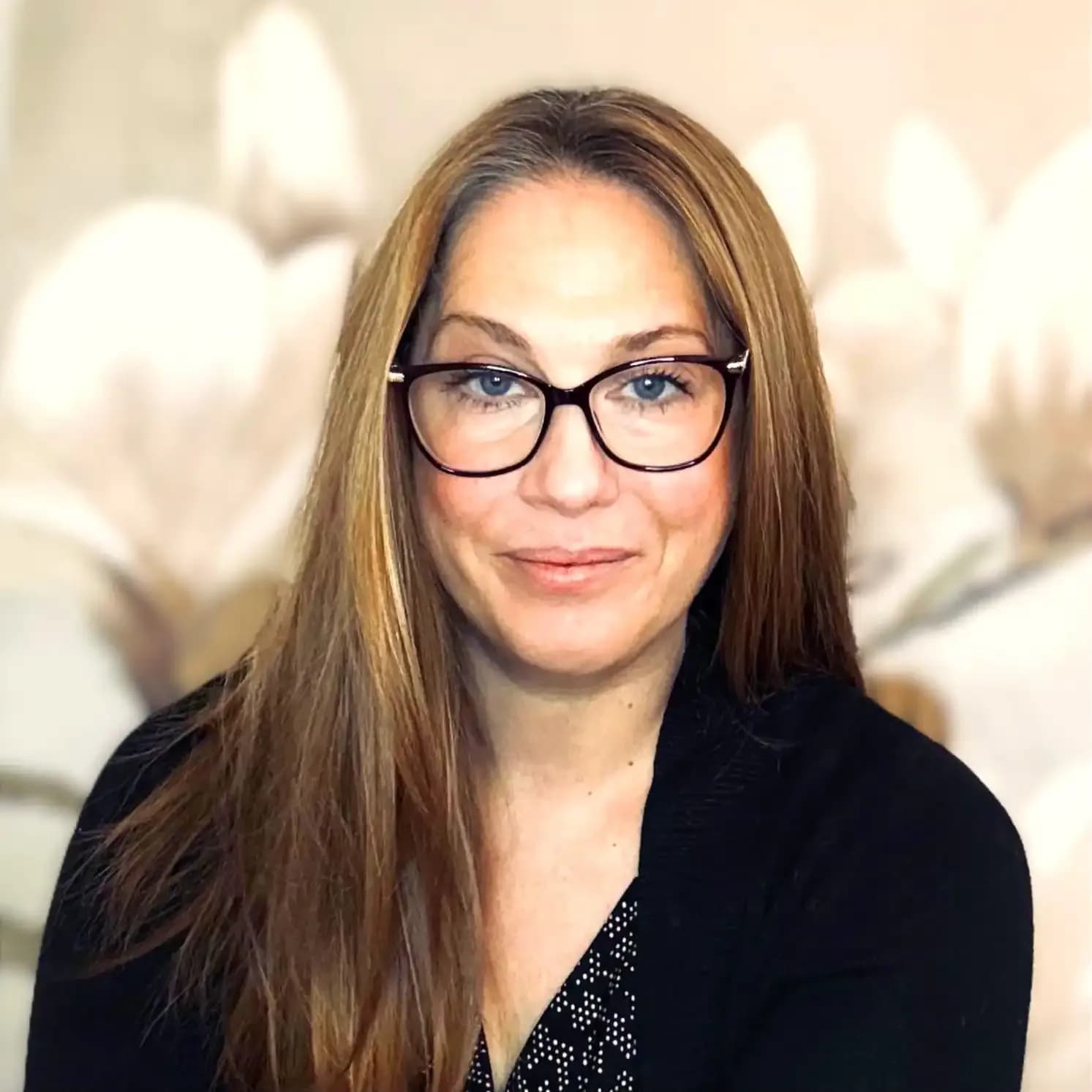
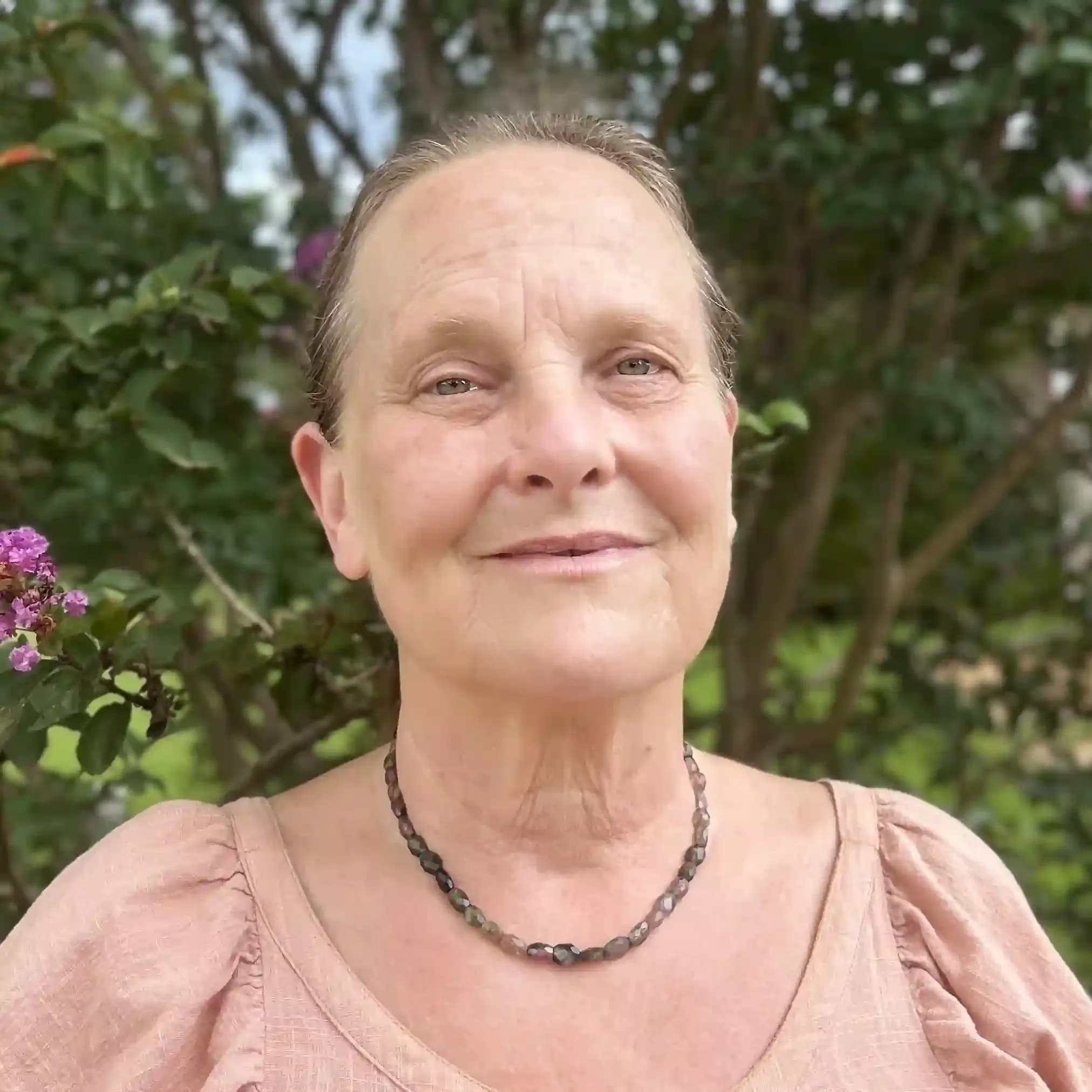
Jessica Sloan

Jessica Sloan
Diane Brussell

Diane Brussell
Ciara Williams

Ciara Williams
Wendy van Es

Wendy van Es
Nayab Tahir

Nayab Tahir
Elena Maystruk

Elena Maystruk

Therapy is hard work.
Brainspotting is a therapeutic technique that uses specific eye positions to help access and process trauma and emotionally charged experiences. The approach is based on the understanding that where you look can affect how you feel. During a session, a therapist guides you to find eye positions—known as brainspots—that correspond with activation of particular memories or feelings. While holding these positions with focused awareness, the brain's natural processing abilities are supported, allowing for deeper emotional work.
Brainspotting may be helpful for people working through a wide range of concerns. Many people explore this approach when addressing trauma, anxiety, grief, phobias, or emotional blocks. It is also commonly used by those seeking support with performance challenges, creative blocks, or stress-related difficulties. Because brainspotting works with the body's natural healing processes, it can be suitable for people at various stages of their therapeutic journey.
In a brainspotting session, your therapist will typically begin by helping you identify an issue or experience you want to work on. They may use a pointer to guide your gaze to different positions while you notice changes in your body sensations or emotional responses. Once a relevant brainspot is located, you'll hold your gaze on that position while maintaining a mindful awareness of your internal experience. The therapist provides support and attunement throughout this process. Sessions often include bilateral sound through headphones, which may help facilitate deeper processing.
The length of brainspotting therapy varies from person to person. Some people notice shifts within a few sessions, while others benefit from longer-term work depending on what they're addressing. Your therapist can help you understand what to expect based on your unique situation and goals. Many people appreciate that brainspotting can sometimes access and process material more quickly than traditional talk therapy alone, though everyone's experience is different.
Finding the right therapist is an important part of the process. On First Session, each therapist has a detailed profile and intro video so you can get a sense of their personality and approach before reaching out. Look for someone whose style resonates with you and who you feel comfortable with. Credentials are verified during onboarding, and you can filter by location, availability, and whether they offer online or in-person sessions. Many therapists also offer free consultations so you can ask questions before committing.
Booking a session on First Session is straightforward. Browse therapists who offer brainspotting, watch their intro videos, and read their profiles to find someone who feels like a good fit. Once you've found a therapist you'd like to work with, you can book directly online through their profile. Many therapists offer both online and in-person appointments, giving you flexibility in how you connect. If you're unsure where to start, take your time exploring profiles—there's no pressure to decide right away.