Art Therapy Therapists
Art therapy uses creative processes like drawing, painting, and sculpting to help you express and explore emotions that may be difficult to put into words. No artistic skill or experience is required.

Art therapy offers a unique approach to mental health support by integrating creative expression with therapeutic practice. Through guided artistic activities, you can access thoughts and feelings that may be challenging to articulate verbally, allowing for deeper self-exploration and emotional processing. This approach can support people dealing with anxiety, depression, trauma, grief, and many other concerns.
On First Session, you can find art therapists across Canada who offer this creative modality. Each therapist has an intro video so you can get a sense of their style before booking. Credentials are verified during onboarding, and you can filter by location, availability, and session format to find the right fit for your needs.
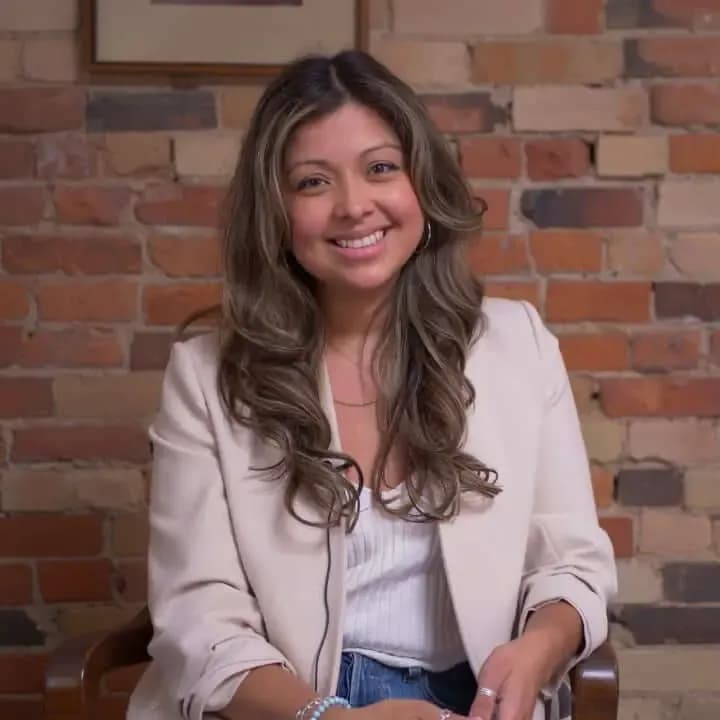
Candice Burnett

Candice Burnett
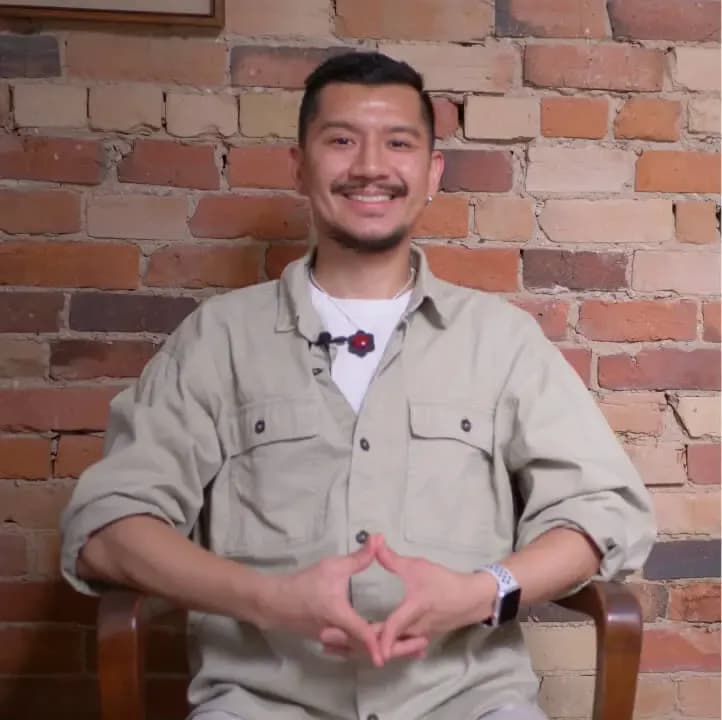
Andrew Fawcett

Andrew Fawcett
Nikki Goldman-Stroh
-Cropped.webp)
Nikki Goldman-Stroh
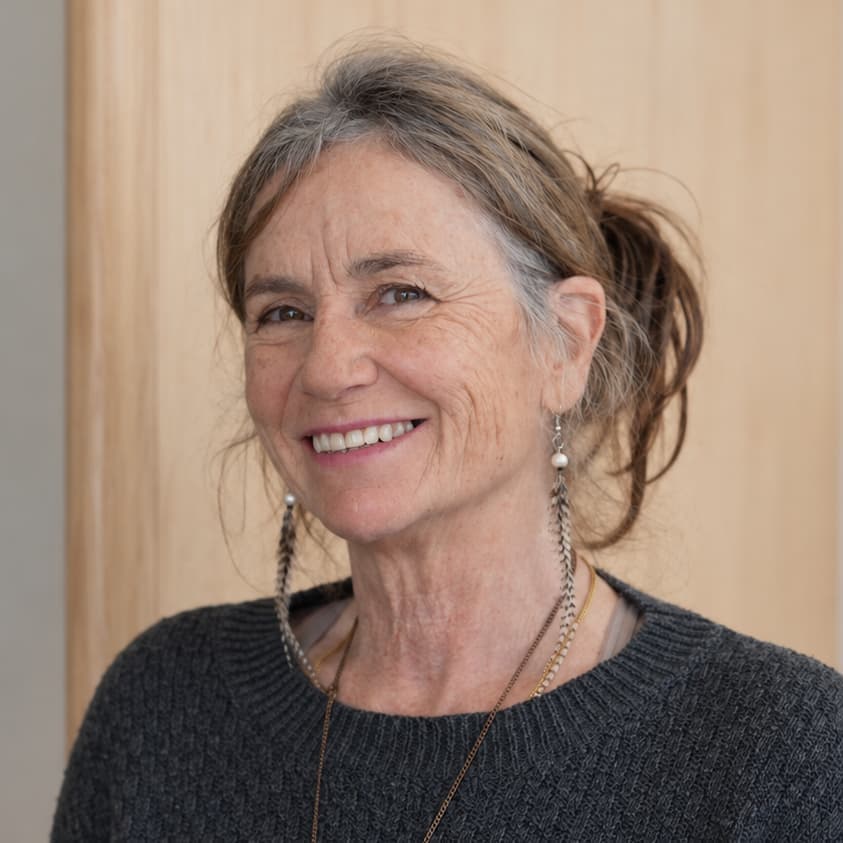
Diane Brussell

Diane Brussell
Divya Gulati

Divya Gulati
C. Nicole MacLeod

C. Nicole MacLeod
Kelsey Mathison

Kelsey Mathison
Karla Rivera

Karla Rivera
Luigi Garde

Luigi Garde
Halyna Polityka

Halyna Polityka
Caitlin Black

Caitlin Black

Therapy is hard work.
Art therapy is a form of psychotherapy that uses creative processes such as drawing, painting, collage, and sculpting as tools for self-expression and healing. A trained art therapist guides you through artistic activities designed to help you explore emotions, reduce stress, and gain personal insights. The focus is on the creative process rather than the final product—no artistic talent or prior experience is needed.
Art therapy may help people of all ages and backgrounds. It can be particularly supportive for those who find it difficult to express their feelings through words alone, including children, adolescents, and adults. People dealing with anxiety, depression, trauma, grief, relationship challenges, or life transitions often find art therapy beneficial. It can also support individuals exploring personal growth, self-esteem, and emotional awareness.
During an art therapy session, your therapist may invite you to engage with various art materials such as paints, markers, clay, or collage supplies. You might work on guided projects or create freely based on what feels meaningful to you. Your therapist will help you reflect on the creative process and explore any thoughts, feelings, or patterns that emerge. Sessions typically take place in a supportive, non-judgmental environment where the emphasis is on expression rather than artistic skill.
The duration of art therapy varies depending on individual needs and goals. Some people notice positive shifts after just a few sessions, while others benefit from longer-term engagement. Your therapist will work with you to establish goals and check in on progress regularly. Many people find that the creative process itself offers immediate relief, even as deeper therapeutic work unfolds over time.
Finding the right art therapist involves considering factors like their approach, specialties, and whether you feel comfortable with their style. On First Session, each therapist has an intro video that gives you a sense of who they are before you book. Credentials are verified during onboarding. You can also read their profiles to learn about their training and areas of focus. Many people try an initial session to see if the fit feels right.
Booking an art therapy session on First Session is straightforward. Browse therapist profiles, watch intro videos, and use filters to narrow your search by location, availability, and session format. Once you find a therapist who feels like a good match, you can book directly through their profile. Many therapists offer online sessions, making it easier to access support from wherever you are in Canada.