Developing Coping Skills
Coping skills are the strategies we use to manage stress, emotions, and life's challenges. While our network of specialists in this area is growing, you can explore therapists who help clients build resilience and develop healthier ways of navigating difficulty.
Joshua Abercrombie
.jpeg)
Joshua Abercrombie
Tania Hernandez
-(1).jpeg)
Tania Hernandez
Nicolai Carp

Nicolai Carp
Arooj Rehman
.jpeg)
Arooj Rehman
Aaron Rousseau

Aaron Rousseau
Stuart Verlinden-Kitchen

Stuart Verlinden-Kitchen
Olivia Johnson
-(1).jpeg)
Olivia Johnson
Michelle Fox

Michelle Fox
Madeline Kang
.jpeg)
Madeline Kang
Christine Lan
.webp)
Christine Lan
Sheldon VanBarneveld

Sheldon VanBarneveld
Victoria Gabriele

Victoria Gabriele
Alexa Wolfe

Alexa Wolfe
Shelley Quan
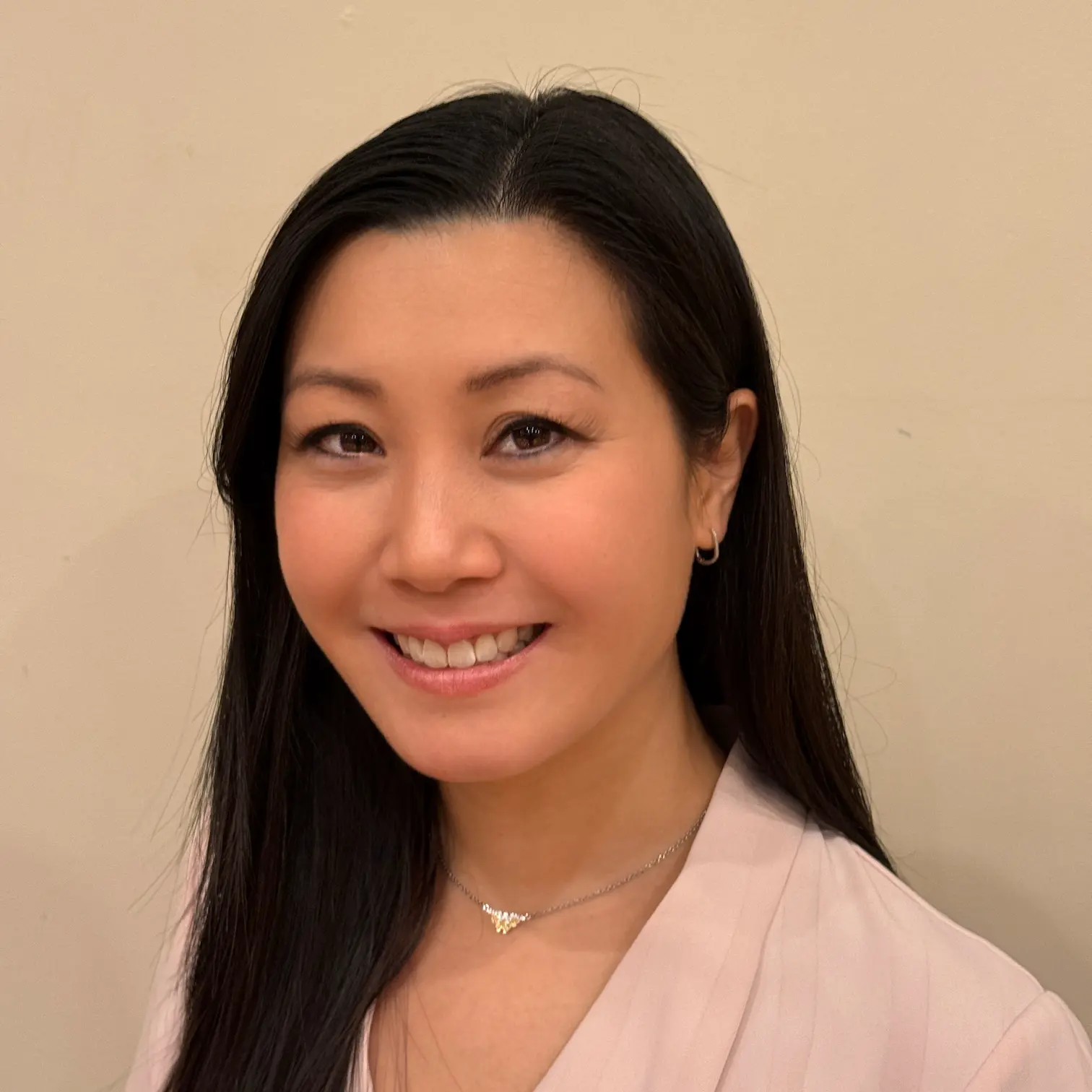
Shelley Quan
Melissa Servello

Melissa Servello
Jennifer Rocha
%20(2)%20(1)%20Cropped.webp)
Jennifer Rocha
Nicky Lightstone

Nicky Lightstone
Dr. Chasidy Karpiuk
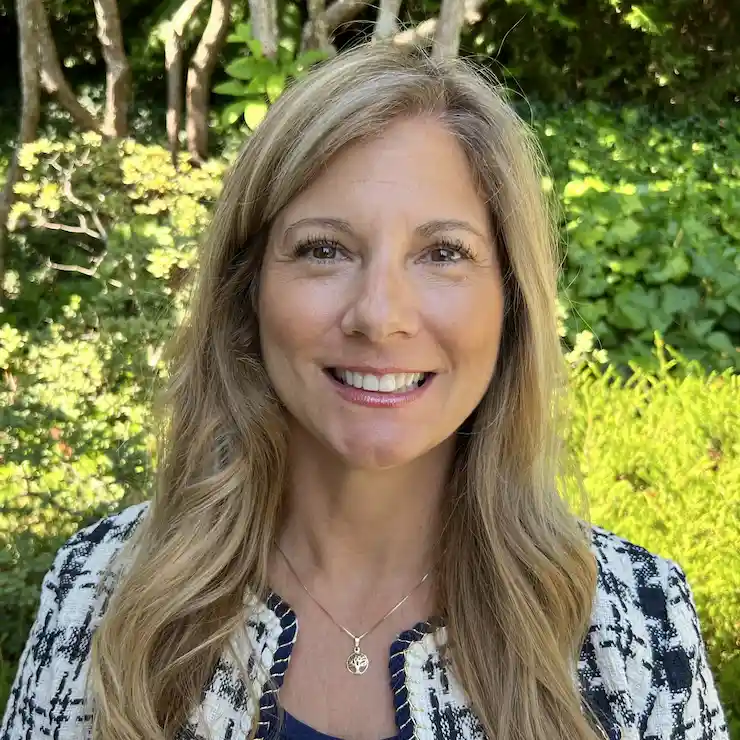
Dr. Chasidy Karpiuk

Therapy is hard work.
Coping skills are the strategies and techniques people use to manage stress, difficult emotions, and challenging situations. They can be healthy (like deep breathing, exercise, or talking to a friend) or less helpful (like avoidance or substance use). Therapy often focuses on strengthening adaptive coping skills while reducing reliance on patterns that may cause harm.
Strong coping skills help you navigate life's inevitable challenges with greater resilience. They can reduce the impact of stress on your mental and physical health, improve relationships, and help you respond to difficulties rather than react impulsively. Developing a range of coping strategies gives you more options when facing hard times.
Therapy provides a supportive space to explore your current coping patterns, understand where they come from, and develop new strategies. Therapists can teach specific techniques like mindfulness, cognitive reframing, or emotional regulation skills. They can also help you practice these skills so they become more natural over time.
On First Session, you can browse therapist profiles and look for those who work with stress, anxiety, emotional regulation, or general mental health. Many therapists incorporate coping skill development into their work. Watch intro videos to get a sense of each therapist's style and approach.
Yes—if you're looking to build coping skills, you might explore therapists who work with stress management, anxiety, emotional regulation, mindfulness, or self-care. These areas often overlap and addressing them can strengthen your overall ability to cope with life's challenges.
First Session makes it easy to find a therapist who fits your needs. Browse profiles, watch intro videos, and filter by specialty, location, or availability. All therapists have their credentials verified during onboarding, and you can book directly online when you're ready.