Narcissist Gaslighting: Signs, Phrases, and How to Respond
Narcissistic gaslighting is one of the most disorienting forms of emotional abuse because it convinces you that what's happening isn't real when it actually is. Many people who live with it end up unable to trust themselves. This article explains what narcissistic gaslighting is and how to recognize it, how to respond, and how therapy can help.
What is narcissistic gaslighting?
Gaslighting is a form of psychological manipulation in which one person leads another to doubt their own perception and memory. The term comes from the 1944 film Gaslight, in which a husband dims the gas lights in the house and insists to his wife that she is imagining the change.

Narcissistic personality disorder (NPD) is a mental health condition involving an inflated sense of self-importance, a strong need for admiration, low empathy, and intense sensitivity to criticism. Narcissism exists on a spectrum, with two primary types called overt and covert. Overt narcissism is characterized by bold, attention-seeking behaviours and an exaggerated sense of self-importance, while covert narcissism is more subtle, often masking a sense of superiority with vulnerability and self-pity.
Most people with narcissistic traits do not meet the criteria for NPD, and gaslighting occurs in non-clinical populations as well. Yet the two frequently overlap because gaslighting is an ideal tool for preserving self-image. When your memory of events threatens how a narcissist views themselves, rewriting your reality feels far safer to them than facing the truth.
What manipulation tactics do narcissists use?
Apart from gaslighting, narcissists often lean on other manipulation tactics, like love bombing or the silent treatment. One well documented pattern is what psychologist Jennifer Freyd called DARVO: deny, attack, and reverse victim and offender. When confronted with their behaviour, the narcissist denies it, attacks your credibility, and recasts themselves as the victim.
How do you know if a narcissist is gaslighting you?
Gaslighting can be hard to spot when you’re on the receiving end of it. Some common signs include constantly second-guessing yourself, apologizing for things you are not sure you did, feeling confused or "crazy" after arguments, making excuses for the person to friends and family, and a nagging sense that you used to be more confident than you are now.
Common narcissist gaslighting phrases
- “That’s not what happened.”
- "I never said that."
- “I was just joking!”
- "You're too sensitive."
- “You’re imagining things.”
- “You’re being crazy.”
- “Everyone agrees with me.”
Any one of these can appear in a normal argument. What matters the most here is the pattern where they repeat these lines constantly and never validate your version of events.
How to respond
You're unlikely to convince someone who's gaslighting you that your version of events is real, or to get them to admit what they did. What you can do instead is protect yourself:
- State your experience once ("That's not how I remember it") and stop engaging further.
- Keep a private record. Write down the date, what actually happened, and what they said. This can give your future self an anchor.
- Stay connected. Isolation is gaslighting's best friend. Talk to people who knew you before this relationship, and notice whose company makes you feel more like yourself.
- Set boundaries around contact where you can, like limiting communication to text or keeping visits short.
- Take it seriously if things escalate, if they start making threats, intimidate you, or try to take control over your money or movement.
How it can affect mental health
Over time, victims may feel confused and start doubting their own thoughts, perceptions, and memories, which can weaken their sense of reality and self-trust. This ongoing psychological stress can make them vulnerable to anxiety, depression, and symptoms of post-traumatic stress, especially when the harm comes from someone they trusted and depended on, the kind of injury known as betrayal trauma. It can also erode self-esteem and independence, since victims learn to rely on the gaslighter to tell them what's real, and it can lead to isolation, if the gaslighter discourages them from checking in with people who might confirm what they experienced.
How therapy can help
The right therapist can help you rebuild trust in your own perception, put language to what happened, and work through the confusion and self-doubt gaslighting leaves behind. They can also help you think through boundaries, whether that means limiting contact, ending the relationship, or finding a way to stay in it more safely.
Therapy works best with a therapist who is the right fit for you. The strength of the relationship with your therapist is called the therapeutic alliance. Look for someone who is trauma-informed and ideally a therapist who lists narcissism or narcissistic abuse as a focus area. Give yourself permission to keep looking until the fit feels right. First Session lets you watch video introductions from licensed Canadian therapists before booking, so you can look for someone you could actually imagine trusting with your story.
Meet your new therapist

Genesis Flores
Canadian Certified Counsellor
- Virtual sessions in AB, SK, MB, NL, NT, YT, NU, BC
Genesis Flores
Canadian Certified Counsellor
- She/her
- Offers free consultation
- $180/session
- Abuse (Sexual/Physical/Verbal), Low Self-Esteem and Self Worth, Childhood trauma, Anxiety and Stress Management Skills, Attachment wounds, Befriending the Nervous System, Betrayal Trauma, BIPOC, Boundaries and boundary setting, Building Meaningful Connections, Burnout, Codependency, Coping Skills, Dealing with difficult or narcissistic personalities, Domestic violence, Emotional regulation, Familial and social relationships, Identity and Self-Exploration, Intergenerational trauma, Mindfulness and stress reduction, Negative thinking and ruminating, Oppressive family dynamics, Parenting, People pleasing, PTSD
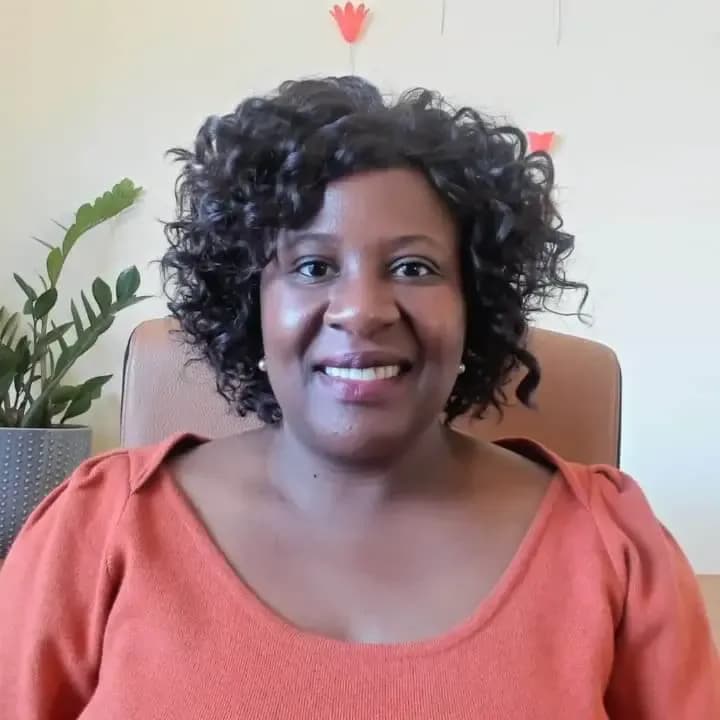
Joyce Musekiwa
Canadian Certified Counsellor
- Virtual sessions in all provinces and territories.
Joyce Musekiwa
Canadian Certified Counsellor
- She/Her/Hers
- Offers free consultation
- $200/session
- Dealing with difficult or narcissistic personalities, Oppressive family dynamics, Trauma, Trauma processing, Attachment trauma, BIPOC, Break-up recovery, Childhood trauma, Career Stress, People pleasing, Parts Work, Somatic Therapy, Understanding & Regulating Emotions, Self-esteem, Navigating challenging relationships

Shadan Mosavat
Registered Clinical Counsellor
- Virtual sessions in BC, NU, AB, MB, NL, NT, SK, YT
Shadan Mosavat
Registered Clinical Counsellor
- She/Her
- Offers free consultation
- $180/session
- ADHD, Borderline Personality Disorder, Emotional regulation, Attachment, Boundaries and boundary setting, Childhood trauma, Couples, Dealing with difficult or narcissistic personalities, Depression, Anxiety, Trauma, Stress, Self-Regulation, Befriending the Nervous System, General Mental Health, Mindfulness, Nervous system regulation, Neurodiversity, OCD, Personal Growth, Coping Skills, Racism, Relationship to self and others, Eating disorders, Cultural Challenges
-(1).jpeg&w=3840&q=75)
Tanya Gabrielle
Registered Professional Counsellor - Provisional
- Virtual sessions in BC, AB, MB, ON, NS, QC, SK
Tanya Gabrielle
Registered Professional Counsellor - Provisional
- She/Her
- Offers free consultation
- $130/session
- Befriending the Nervous System, Building Self-Care Routines, End of Life Support, Boundaries and boundary setting, Burnout, Complex Trauma (CPTSD), Creativity, Dealing with difficult or narcissistic personalities, Depression, Empowerment, Existential questions, Highly Sensitive Person, Life transitions, Overwhelm, Parenting, Perimenopause mental health support, Personal Growth, Relationship to self and others, Relationships, Self-esteem, Separation and divorce, Trauma, Understanding & Regulating Emotions, Wellness Counselling, Work-Life Balance, Postnatal Care, Attention-deficit/hyperactivity disorder (ADHD), Neurodivergent, Self Confidence, Non-Violent Communication, Relationship Trauma, Codependency, Mental Abuse
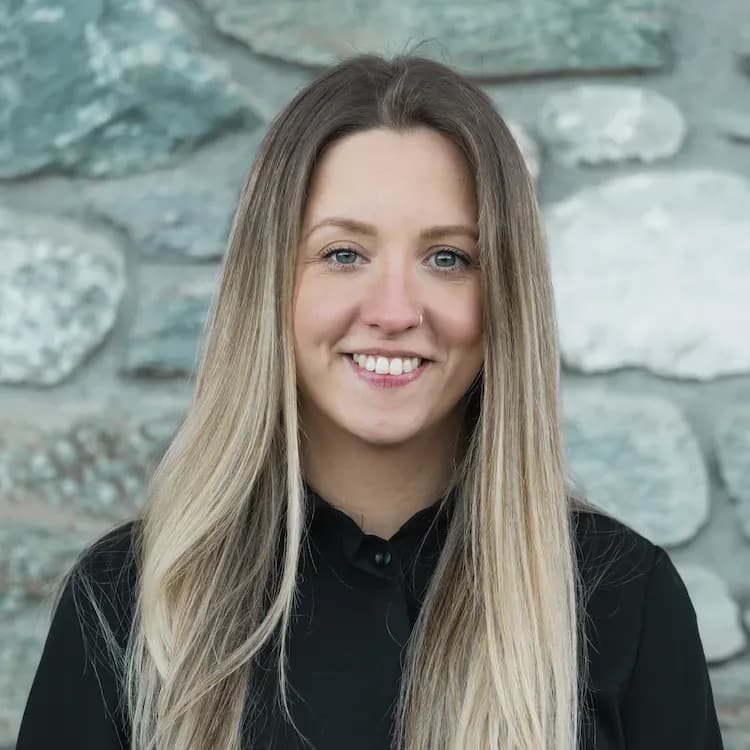
Hayley Sarjeant
Registered Psychotherapist (Qualifying)
- Virtual sessions in AB, BC, MB, NL, YT, NU, NT, SK, ON
Hayley Sarjeant
Registered Psychotherapist (Qualifying)
- She/Her
- Offers free consultation
- $150/session
- Attachment trauma, Infidelity, Separation and divorce, Anxiety, Attachment, Attachment wounds, Break-up recovery, Complex Trauma (CPTSD), Dealing with difficult or narcissistic personalities, Emotional regulation, Grief Processing, Trauma processing, Trauma, Relationships, Relationship to self and others, Betrayal Trauma
-Cropped.webp&w=3840&q=75)
Cassandra Myers
Registered Social Worker
- Virtual sessions in ON
Cassandra Myers
Registered Social Worker
- they/she/he
- Offers free consultation
- $150/session
- Abuse (Sexual/Physical/Verbal), Chronic and acute illness, Somatic Therapy, Adjusting to a diagnosis, ADHD, BIPOC, Childhood trauma, Chronic Illness, Complex Trauma (CPTSD), Dealing with difficult or narcissistic personalities, Disability, Domestic violence, Emotional Numbness, Anxiety, Mental Abuse, PTSD, Trauma, Intergenerational trauma, Neurodiversity, Coming out and identity, LGBTQ2IA+, Identity and Self-Exploration, Boundaries and boundary setting
.webp&w=3840&q=75)
Shaye Hutchinson
Registered Social Worker
- Virtual sessions in ON
Shaye Hutchinson
Registered Social Worker
- She/Her
- Offers free consultation
- $165/session
- Anxiety, Attachment, Burnout, ADHD, Boundaries and boundary setting, Caregiver burnout, Childhood trauma, Dealing with difficult or narcissistic personalities, Depression, Early childhood, Emotional Numbness, Emotional regulation, Familial and social relationships, Family Conflict, General Mental Health, Identity and Self-Exploration, LGBTQ2IA+, Life transitions, Low mood, Low Self-Esteem and Self Worth, Managing ADHD symptoms, Navigating challenging relationships, Parenting, Social anxiety, Work-Life Balance
-Cropped.webp&w=3840&q=75)
Tanasha Wilkinson
Registered Social Worker
- Offers in-person (Brampton, ON)
- Virtual sessions in ON
Tanasha Wilkinson
Registered Social Worker
- Offers free consultation
- $180/session
- Abuse (Sexual/Physical/Verbal), Childhood trauma, Trauma, Anxiety and Stress Management Skills, Boundaries and boundary setting, Anger Management, Building Self-Care Routines, Break-up recovery, Complex Trauma (CPTSD), Dealing with difficult or narcissistic personalities, Depression coping skills, Domestic violence, Emotional regulation, Familial and social relationships, Intergenerational trauma
.webp&w=3840&q=75)
Ariella Boehm
Registered Psychotherapist
- Offers in-person (Toronto, ON)
- Virtual sessions in ON, AB, BC, MB, NL, NT, NU, SK, YT
Ariella Boehm
Registered Psychotherapist
- she/her
- Offers free consultation
- $180/session
- ADHD, Anxiety, Familial and social relationships, Anger Management, Boundaries and boundary setting, Complex Trauma (CPTSD), Confidence, Court Mandated Counselling, Dealing with difficult or narcissistic personalities, Effective communication, Family issues, Goal Setting, Intergenerational trauma, Interpersonal dynamics, Low Self-Esteem and Self Worth, Maternal mental health, Motivation, Navigating challenging relationships, Negative thinking and ruminating, Parenting, Personal Growth, Relationships, Self-Criticism, Self-esteem, Self-Regulation, Abuse (Sexual/Physical/Verbal)
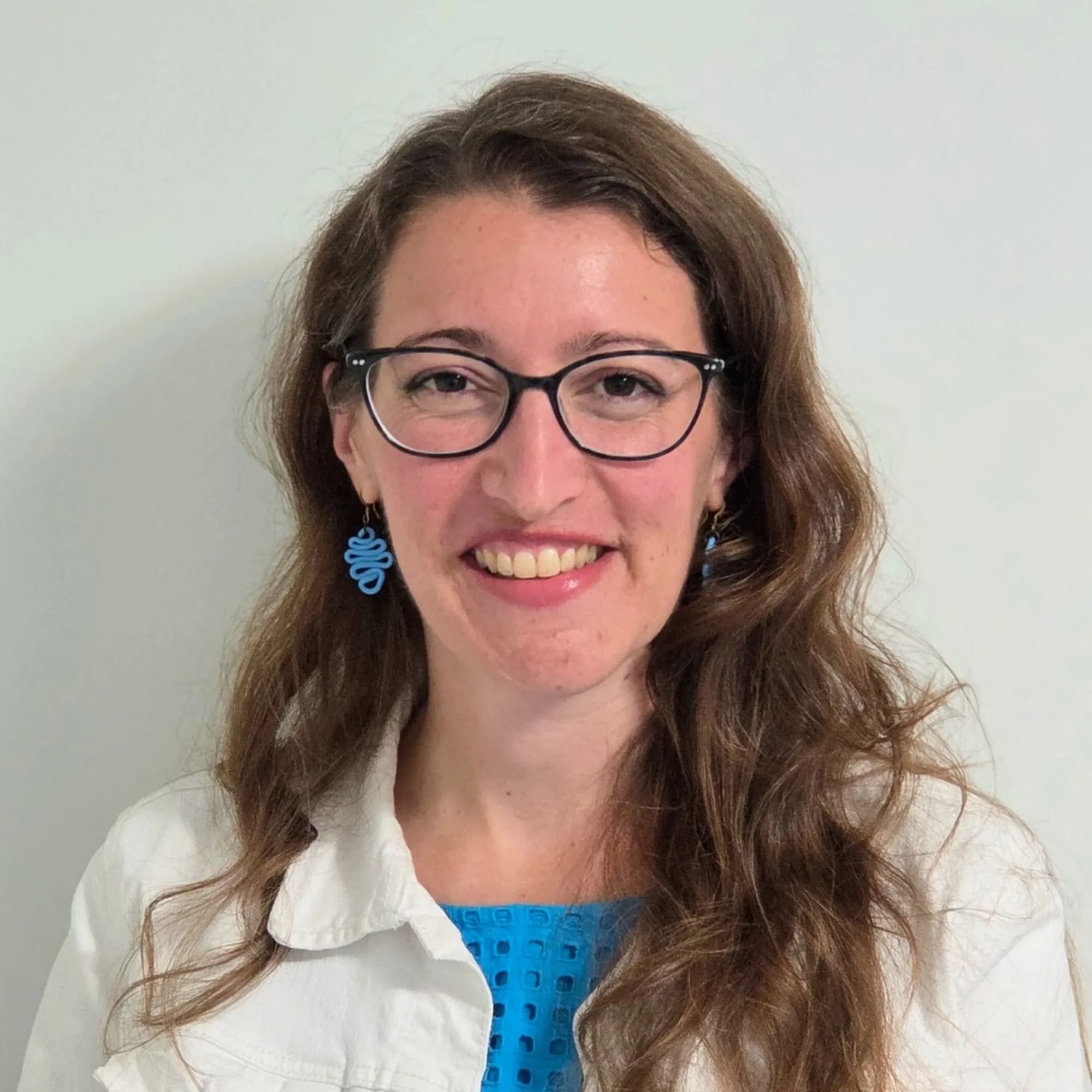
Anna Loch
Registered Clinical Counsellor
- Offers in-person (Vancouver, BC)
- Virtual sessions in all provinces and territories.
Anna Loch
Registered Clinical Counsellor
- Offers free consultation
- $155/session
- Adjusting to a diagnosis, Anxiety and Stress Management Skills, Assertiveness, Attachment wounds, Break-up recovery, Building Meaningful Connections, Career guidance, Christian counselling, Couples Therapy, Eating disorders, Early childhood, Cultural Challenges, Dealing with difficult or narcissistic personalities, Existential questions, Familial and social relationships, Life transitions, Mind-body connection, Perfectionism, Understanding & Regulating Emotions, Workplace stress, Trauma processing, Stress, Neurodiversity, Autism Spectrum Disorder (ASD), Infertility
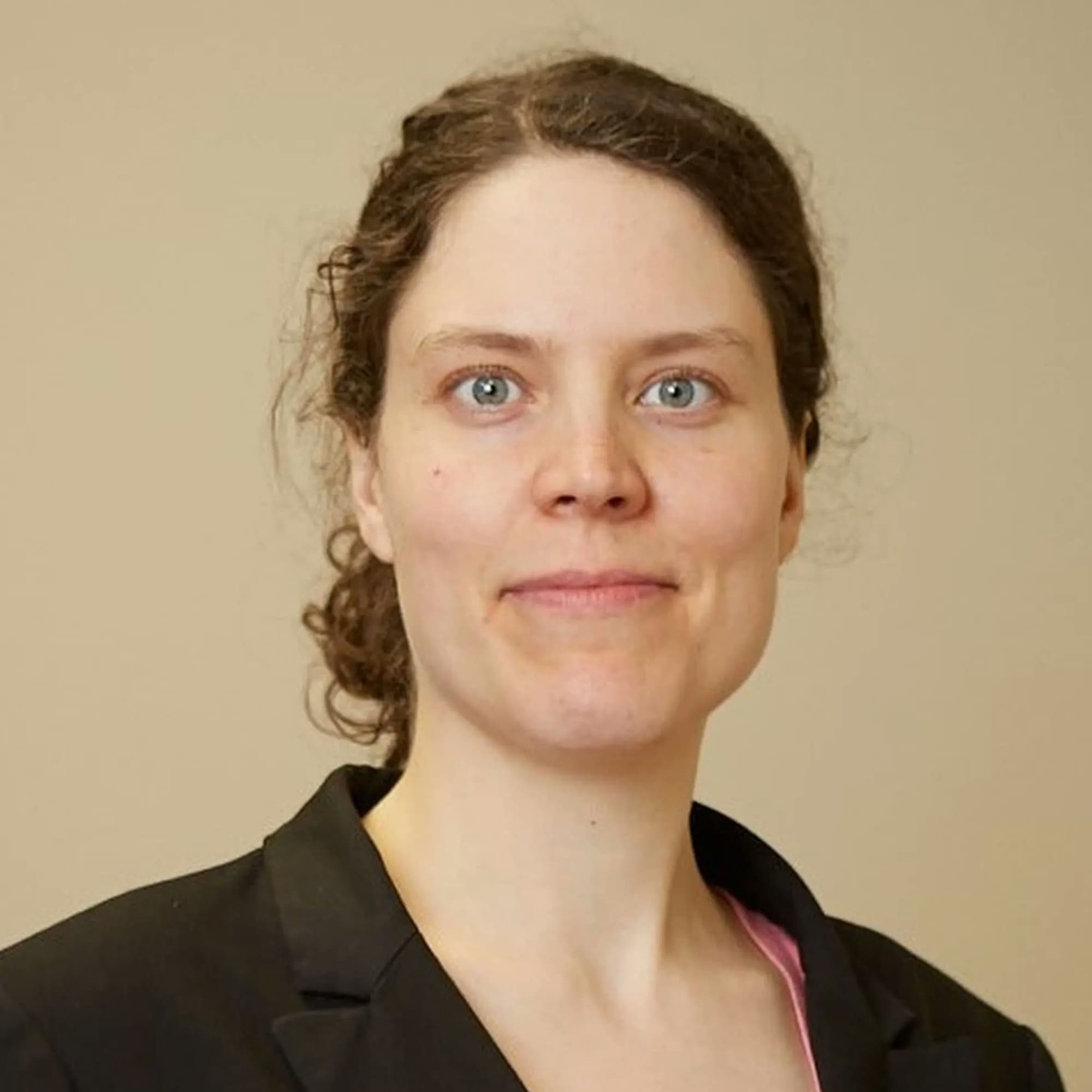
Ciara Williams
Registered Social Worker
- Virtual sessions in ON
Ciara Williams
Registered Social Worker
- she / her
- Offers free consultation
- $150/session
- Trauma, Relationships, Anxiety, Anxiety and Stress Management Skills, Assertiveness, Boundaries and boundary setting, Burnout, Childhood trauma, Coming out and identity, Dealing with difficult or narcissistic personalities, Connecting with your Inherent Power, Depression, Existential questions, Emotional regulation, Highly Sensitive Person, Intergenerational trauma, Low Self-Esteem and Self Worth, Navigating challenging relationships, Neurodiversity, Oppressive family dynamics, People pleasing, PTSD, Spirituality, Trauma processing
-Cropped.webp&w=3840&q=75)
Michelle Belitzky
Registered Social Worker
- Offers in-person (Montreal, QC)
- Virtual sessions in QC, ON
Michelle Belitzky
Registered Social Worker
- she/her
- Offers free consultation
- $170/session
- Attachment, Relationships, Emotional regulation, Anxiety, Boundaries and boundary setting, Couples, Depression, Dealing with difficult or narcissistic personalities, Life transitions, Understanding & Regulating Emotions, Family Conflict, Emotional Numbness, Familial and social relationships, Navigating challenging relationships, Grief and Loss, Identity and Self-Exploration
Trusting yourself again
If one idea stays with you, let it be this: The confusion you feel is a symptom of what was done to you, and it can get better. Narcissist gaslighting works by making you the problem, and recovery works in reverse, one validated memory and one honest conversation at a time. You do not have to untangle it alone. A therapist who understands narcissistic abuse, and with whom you feel safe, can walk that road with you.