Narcissistic Abuse Recovery: Stages, Signs of Healing & How Therapy Helps
If you are searching for a way to recover from narcissistic abuse, you are exhausted. You’re tired of second-guessing your own memory, and wondering whether you will ever feel like yourself again. Maybe the relationship has ended, or maybe you are still tangled in it and trying to understand what is happening to you. Recovering from narcissistic abuse takes time, and the confusion, self-doubt, and grief you feel are normal responses to a genuinely disorienting experience. Healing is possible. What follows is a look at what narcissistic abuse recovery involves, the stages people tend to move through, the signs that you are getting better, and how the right therapeutic support can help you rebuild a stable sense of self.
“Living with a narcissist is confusing, chaotic, heartbreaking, and crazy-making, and yet somehow fun, exciting, and addictive too. That contradiction stirs up shame, anxiety, and fear, along with all the childhood feelings we never got to address. It’s a double whammy: traumatized as children, then reliving it as adults. But this time, we can choose differently. Therapy and trauma work help us move from unconscious patterns to conscious awareness of what we truly deserve”
– Ariella Boehm, Registered Psychotherapist
What is narcissistic abuse?
Narcissistic abuse is a form of emotional abuse inflicted by someone with traits like grandiosity, lack of empathy, entitlement, and exploitative behaviour (i.e. narcissistic traits). Whether the partner has been diagnosed with Narcissistic Personality Disorder (NPD) or not is irrelevant to your experience of abuse.
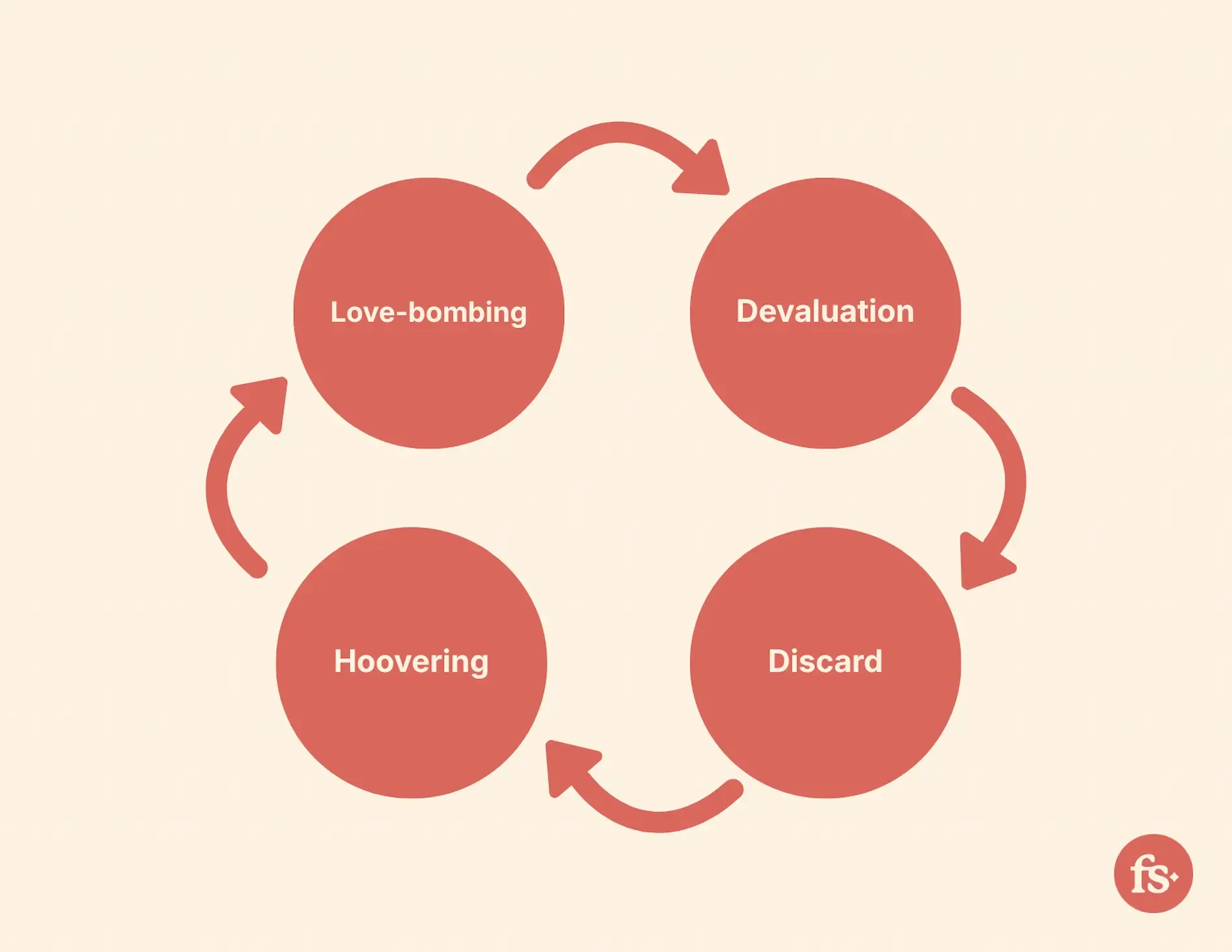
The abuser relies on manipulation to protect their self-image and dominate the person closest to them. It usually starts with love-bombing, where the abuser showers you with affection, flattery, and attention to win your trust quickly. They may even “mirror” you and quickly adopt your interests, values, and goals to make you feel like you are soulmates.
Once you are attached, the relationship shifts into devaluation, where they begin to wear down your self-esteem through criticism and insults. If you bring this up, they may resort to gaslighting, where they deny your memory, saying things like "I never did that" or "you're imagining things,” or blame-shifting where they deflect responsibility so the blame always lands on you. Then comes discard, where they abruptly withdraw or leave, often once you no longer serve their needs. Discard is frequently followed by “hoovering”, renewed attempts to pull you back in with apologies or affection, and the cycle repeats.
What are the effects of narcissistic abuse?
Narcissistic abuse can leave marks on both mind and body. Over time it can wear down your confidence, distort your sense of what is real, and leave you doubting your own memory and judgment. Many survivors come away anxious, depressed, isolated from people who once supported them, and unsure of who they are outside the relationship. Because the abuse is prolonged and interpersonal, it can also produce complex trauma, sometimes described as C-PTSD.
Living under this prolonged threat keeps your stress response switched on, which produces an allostatic load, a kind of biological wear and tear, with downstream effects that include fatigue, anxiety, and difficulty regulating emotions. This is why survivors so often report hypervigilance, disrupted sleep, exhaustion, digestive problems, and a nervous system that seems stuck on high alert.
Many survivors also notice that the attachment stays strong even when they know the relationship is hurting them, and that leaving can trigger something close to withdrawal, including panic, obsession, and grief. This is because of the trauma bond. A relationship with a narcissist may swing between highs and lows, with the highs coming at random. Because of that unpredictability, the brain keeps chasing the high that follows the low and becomes attached, almost addicted, to its source
What is narcissistic abuse recovery?
Narcissistic abuse recovery involves naming what happened, grieving it, understanding the tactics that were used on you, and restoring the sense of reality and self-worth that was eroded by the relationship. If you are expecting to fully forget what happened, to feel nothing about it, or to never struggle again, that is not usually what recovery looks like. What it does look like is reaching a place where the abuse no longer controls you, though it rarely moves in a straight line. Coming to accept what the relationship was can be a back-and-forth process. The person who hurt you is also someone you loved or may still love, and it is natural to go through a grieving process. There are months or even years of memories, hopes, and shared life bound up in it, which makes that realization genuinely hard to settle into. When we grieve we are not only processing the deep loss of a person, but the vision that we held of what our life path was going to be. In order to go through the grieving processes effectively, it is essential that we detach from the abuser, often through no contact, cutting off all communication, or low contact limited to essentials like co-parenting, since even brief contact tends to reactivate that bond and pull you back in.
Therapy for narcissistic abuse
Therapy is one of the most effective ways to recover from narcissistic abuse, and for many people it is where the deepest healing happens. A good therapist can help you make sense of what occurred, separate the abuser's narrative from reality, and give you a place to process your trauma without judgment. Evidence-based therapeutic approaches can reduce PTSD symptoms in survivors of complex trauma including domestic violence. Trauma-focused cognitive behavioural therapy and EMDR are two well-studied options.
Therapy works best with a therapist who is the right fit for you. The strength of the relationship with your therapist is called the therapeutic alliance. Look for someone who is trauma-informed and ideally a therapist who lists narcissism or narcissistic abuse as a focus area. Give yourself permission to keep looking until the fit feels right. First Session lets you watch video introductions from licensed Canadian therapists before booking, so you can look for someone you could actually imagine trusting with your story.
What are the signs you're healing?
You may notice that you trust your own memory and judgment again, without the reflexive second-guessing that gaslighting installs. The urge to explain or justify yourself starts to fade. You can think about the person without the same urge to reach out. Boundaries that once felt impossible begin to feel natural, and your sleep and appetite return to normal as your body registers that it is safe.
None of this arrives all at once, and setbacks are not evidence that you have failed. Healing tends to look like a widening gap between the old pattern and your new life. How long that takes varies widely and depends on the length of the abuse, your support system, and whether you have professional help, so comparing your pace to anyone else's tends to add pressure without adding to progress.
Moving forward
Narcissistic abuse is disorienting by design. It can leave you doubting your own memory, apologizing for things you did not do, and feeling most attached to the person hurting you. It takes a real toll. Recovery involves naming what happened, grieving it, stepping back through no contact or low contact, and slowly rebuilding self-trust until the abuse no longer controls you. That work is slow and non-linear, but with the help of the right therapist, and your innate ability to be resilient, recovery is possible.
Meet Your New Therapist
Therapists with experience in narcissistic abuse

Cindy Reid
Therapist in Training
- Virtual sessions in ON
Cindy Reid
Therapist in Training
- She/her
- Offers free consultation
- $90/session
- BIPOC, Self-esteem, Workplace stress, Abuse (Sexual/Physical/Verbal), Boundaries and boundary setting, Burnout, Childhood trauma, Conflict resolution, Coping Skills, Dissociation, Effective communication, Emotional regulation, End of Life Support, General Mental Health, Grief and Loss, Imposter syndrome, LGBTQ2IA+, Non-Violent Communication, Perimenopause mental health support, Personal Growth, PTSD, Relationship to self and others, Self-Development, Sexuality, Trauma
Joyce Musekiwa
Canadian Certified Counsellor
- Virtual sessions in all provinces and territories.
Joyce Musekiwa
Canadian Certified Counsellor
- She/Her/Hers
- Offers free consultation
- $200/session
- Dealing with difficult or narcissistic personalities, Oppressive family dynamics, Trauma, Trauma processing, Attachment trauma, BIPOC, Break-up recovery, Childhood trauma, Career Stress, People pleasing, Parts Work, Somatic Therapy, Understanding & Regulating Emotions, Self-esteem, Navigating challenging relationships
Ria Wooten
Registered Psychotherapist
- Virtual sessions in ON, SK, MB, NL, NT, YT, NU
Ria Wooten
Registered Psychotherapist
- she/her
- Offers free consultation
- $170/session
- Borderline Personality Disorder, Burnout, Neurodiversity, Abuse (Sexual/Physical/Verbal), Adjusting to a diagnosis, Anger, Attachment, Befriending the Nervous System, BIPOC, Boundaries and boundary setting, Break-up recovery, Caregiver burnout, Complex Trauma (CPTSD), Cultural Challenges, Emotional regulation, Existential questions, Family Conflict, Highly Sensitive Person, Identity and Self-Exploration, Intergenerational trauma, LGBTQ2IA+, Personality & Mood Disorders, Codependency, Faith
Jane Whitlaw
Registered Psychotherapist (Qualifying)
- Offers in-person (Surrey, BC)
- Virtual sessions in BC, MB, AB, SK, YT, NL, NT, NU
Jane Whitlaw
Registered Psychotherapist (Qualifying)
- She/Her
- Offers free consultation
- $170/session
- Somatic Therapy, Complex Trauma (CPTSD), Attachment, Abuse (Sexual/Physical/Verbal), Addiction, Intergenerational trauma, PTSD, Work-Life Balance, Understanding & Regulating Emotions, Stress, Separation and divorce, Relationships, Nervous system regulation, Navigating challenging relationships, Mindfulness and stress reduction, Mind-body connection, Life transitions, Family Conflict, Dissociation, Depression, Childhood trauma, Boundaries and boundary setting, Anxiety and Stress Management Skills, Career guidance, Equine-Partnered Psychotherapy
Mandy Rai
Registered Clinical Counsellor
- Offers in-person (Richmond, BC)
- Virtual sessions in BC
Mandy Rai
Registered Clinical Counsellor
- She/her
- $165/session
- Trauma processing, Complex Trauma (CPTSD), Anxiety and Stress Management Skills, Abuse (Sexual/Physical/Verbal), ADHD, Aging, Anger, Anger Management, Assertiveness, Attachment, Attachment trauma, Attachment wounds, Betrayal Trauma, Break-up recovery, BIPOC, Anxiety, Building Meaningful Connections, Bullying, Burnout, Career Stress, Boundaries and boundary setting, Childhood trauma, Children/Teens, Blocks in Connecting with Self and Others, Caregiver burnout
Shadan Mosavat
Registered Clinical Counsellor
- Virtual sessions in BC, NU, AB, MB, NL, NT, SK, YT
Shadan Mosavat
Registered Clinical Counsellor
- She/Her
- Offers free consultation
- $180/session
- ADHD, Borderline Personality Disorder, Emotional regulation, Attachment, Boundaries and boundary setting, Childhood trauma, Couples, Dealing with difficult or narcissistic personalities, Depression, Anxiety, Trauma, Stress, Self-Regulation, Befriending the Nervous System, General Mental Health, Mindfulness, Nervous system regulation, Neurodiversity, OCD, Personal Growth, Coping Skills, Racism, Relationship to self and others, Eating disorders, Cultural Challenges

Richard Tatomir
Canadian Certified Counsellor
- Offers in-person (Langley, BC)
- Virtual sessions in all provinces and territories.
Richard Tatomir
Canadian Certified Counsellor
- He/Him
- Offers free consultation
- $200/session
- Supervising qualifying therapists, Complex Trauma (CPTSD), Psychedelic therapy, Neurodiversity, ADHD, Life transitions, End of Life Support, Cultural Challenges, Spirituality, Family Conflict, Abuse (Sexual/Physical/Verbal), Relationships, Behavioural Issues, Addiction, Anxiety and Stress Management Skills, Assertiveness, BIPOC, Befriending the Nervous System, Burnout, Caregiver burnout, Understanding & Regulating Emotions, Career Performance, Intergenerational trauma, College or University Coaching, Codependency
Una Gair
Registered Clinical Counsellor
- Virtual sessions in BC
Una Gair
Registered Clinical Counsellor
- She/her
- Offers free consultation
- $165/session
- Abuse (Sexual/Physical/Verbal), Personality & Mood Disorders, Trauma, Addiction, Anger, Anxiety, Attachment, Attachment trauma, Attention and Impulsivity, Borderline Personality Disorder, Burnout, Career Stress, Childhood trauma, Couples Therapy, Domestic violence, Court Mandated Counselling, General Mental Health, Sexual issues, Substance Use, Workplace stress, Divorce
Raquel Ramos Nicolau
Registered Therapeutic Counsellor
- Offers in-person (North Vancouver, BC)
- Virtual sessions in BC
Raquel Ramos Nicolau
Registered Therapeutic Counsellor
- Offers free consultation
- $150/session
- Somatic Therapy, Trauma, Parts Work, Abuse (Sexual/Physical/Verbal), Adjusting to a diagnosis, Anxiety, Attachment wounds, Befriending the Nervous System, Boundaries and boundary setting, Cancer Support, Childhood trauma, Confidence, Vulnerability, Understanding & Regulating Emotions, Trauma processing, Stress, Shadow Work, Separation anxiety, Self-Regulation, Self-Criticism, Self-esteem, Rewilding & Reclaiming the Wild Feminine, Relationship to self and others, Codependency, Self-Image, Self Confidence
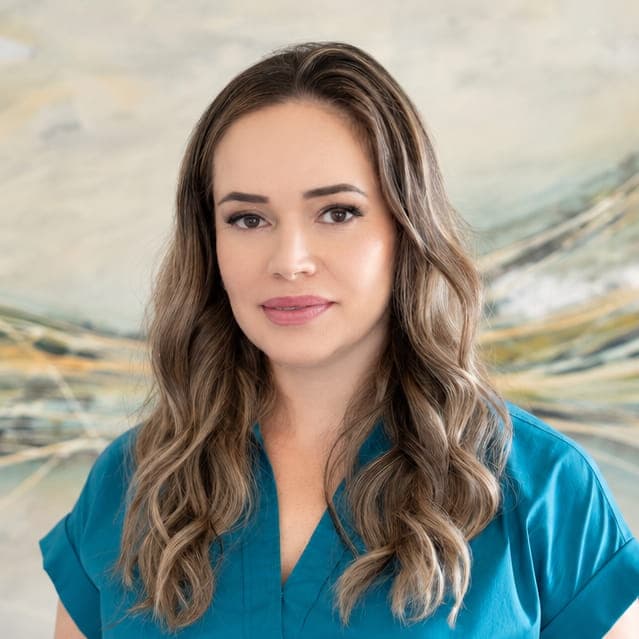
Irina Carayannis
Registered Psychotherapist (Qualifying)
- Virtual sessions in ON
Irina Carayannis
Registered Psychotherapist (Qualifying)
- She/Her
- Offers free consultation
- $150/session
- Life transitions, Managing ADHD symptoms, ADHD, Overwhelm, Self-Regulation, Anxiety, Perfectionism, Identity and Self-Exploration, Boundaries and boundary setting, People pleasing, Low Self-Esteem and Self Worth, Emotional regulation, Relationships, Overthinking, Abuse (Sexual/Physical/Verbal), Addiction, Anger, Anxiety and Stress Management Skills, Assertiveness, Burnout, Caregiver burnout, Childhood trauma, Confidence, Depression, Disability, Early childhood, Eating disorders, Emotional Numbness, Empowerment, Financial Stress, Personal Growth, Perinatal, Neurodivergent, Attention-deficit/hyperactivity disorder (ADHD), Relationship Trauma
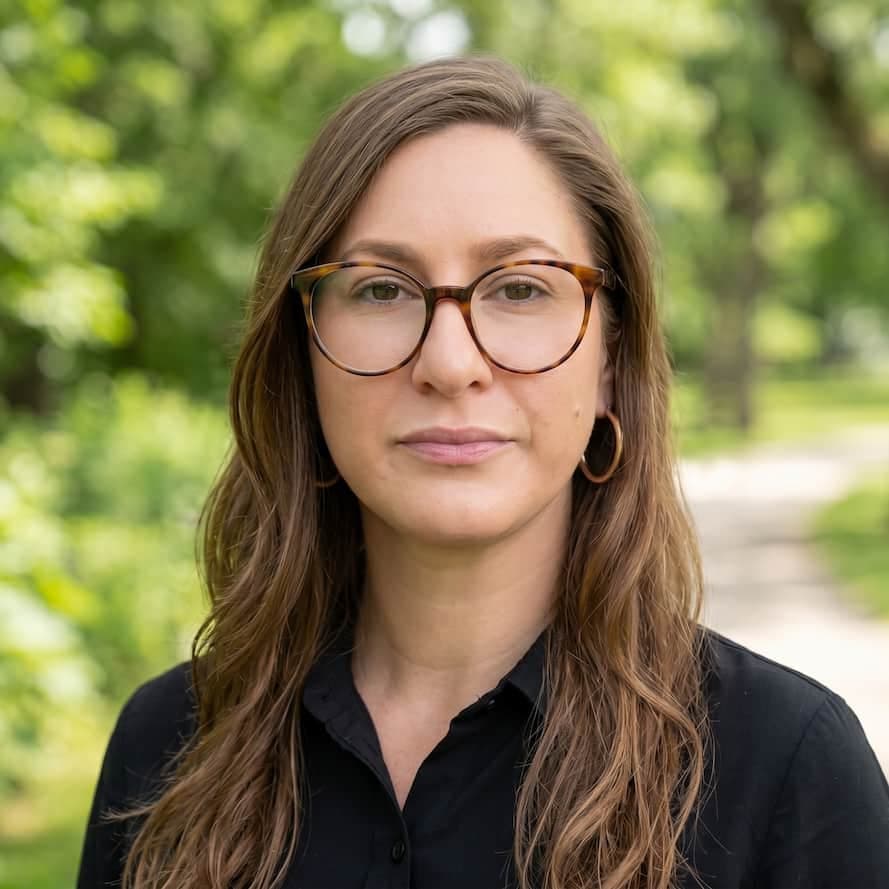
Amina Purac
Registered Psychotherapist (Qualifying)
- Virtual sessions in AB, BC, MB, ON, SK
Amina Purac
Registered Psychotherapist (Qualifying)
- She/Her
- Offers free consultation
- $135/session
- Abuse (Sexual/Physical/Verbal), Anger, ADHD, Anxiety, Behavioural Issues, Burnout, Career Stress, Confidence, Coping Skills, Cultural Challenges, Dating challenges, Depression coping skills, Emotional regulation, Family issues, Goal Setting, Life transitions, Low Self-Esteem and Self Worth, Men's issues, Mindfulness, Nature-Based Spirituality, Negative thinking and ruminating, Personality & Mood Disorders, Relationships, Self Destructive Behaviour, Stress
.jpeg&w=3840&q=75)
Jasmine Chadha
Canadian Certified Counsellor
- Offers in-person (Edmonton, AB)
- Virtual sessions in MB, BC, NL, NT, NS, NU, ON, SK
Jasmine Chadha
Canadian Certified Counsellor
- Offers free consultation
- $200/session
- Addiction, PTSD, Trauma, Abuse (Sexual/Physical/Verbal), ADHD, Anxiety, Attachment trauma, Behavioural Issues, BIPOC, Body Dysmorphia, Childhood trauma, Grief and Loss, OCD, Self harm, Spirituality, South Asian Counselling, Attention-deficit/hyperactivity disorder (ADHD), Faith