Why Is My Husband Yelling at Me? Causes, Signs & What to Do
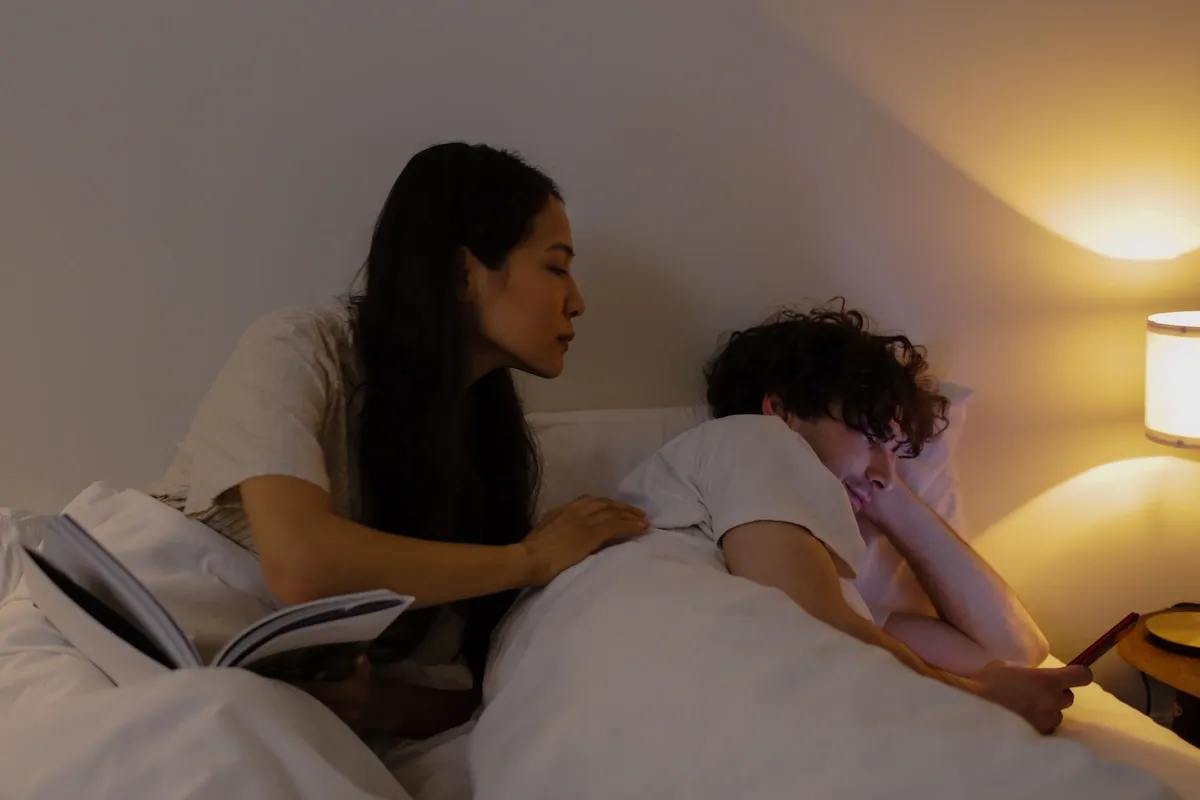
If you’ve been wondering “Why is my husband yelling at me?”, his behaviour may already be taking a toll on your sense of safety and well-being. No one deserves to be yelled at constantly, and everyone deserves to feel safe and at peace in their own home. What follows is an honest look at why this happens, what it can do to you, when it may cross into abuse, and what you can do about it.
Why does my husband yell at me all the time?
Some men who yell grew up in homes where yelling was the norm. They may have watched their parents handle disagreements by shouting, attacking, or losing control, and now, they may be repeating those patterns in their own relationships. Research on the intergenerational transmission of relationship aggression found that aggression in the family home during adolescence predicted aggression with romantic partners in adulthood.
External stressors also matter. Job insecurity, financial strain, sleep deprivation, and chronic health problems can all reduce a persons distress tolerance, the ability to experience discomfort without acting on it. Lower distress tolerance is associated with a higher propensity towards anger and more difficulty regulating it.
An untreated mental health condition may be another contributing factor. Depression in men often manifests as irritability, anger; hostile, aggressive, abusive behaviour, risk taking behaviours; and substance abuse. Because traditional societal norms often discourage men from expressing vulnerability or sadness, emotional distress can be redirected into "masculine-typed" behaviours.
That said, everyone is different, and none of this excuses angry yelling. Even if you understand where his anger comes from, you have no obligation to keep absorbing it, and you are allowed to feel hurt and to want it to stop.
Can yelling in a relationship cause trauma?
Yes, being yelled at repeatedly can cause trauma. If the yelling forms a pattern and is used to hurt or control a partner, it can be considered "psychological violence,” and it is associated with mental health problems like depression, anxiety, and post-traumatic stress disorder (PTSD). Individuals with PTSD relive trauma through intrusive memories or flashbacks, tend to avoid anything that brings it back, and may also carry a chronic sense of threat.
For a long time, PTSD was the only diagnosis available, and it never quite fit people whose trauma wasn't a single terrible event but a condition of daily life. That changed when the World Health Organization added complex PTSD (C-PTSD) to the ICD-11, its international classification of diseases. C-PTSD is a trauma disorder that develops from prolonged, repeated interpersonal trauma. It involves the symptoms of PTSD plus what researchers call disturbances in self-organization, which include difficulties in managing emotions, a damaged self-worth, difficulties in trusting, feeling close to others, or sustaining close relationships. In one study of women who survived intimate partner violence, more than half developed a disorder related to post-traumatic stress, and C-PTSD was the most common type.
Part of what makes this kind of trauma so damaging is who it comes from. Psychologists use the term betrayal trauma for harm inflicted by someone you trust and depend on.
Is yelling in a relationship normal?
Whether or not the yelling is normal may not be the most relevant question. Every couple argues, and most people raise their voices sometimes, but persistent yelling is a red flag in any marriage, and if it's causing permanent harm to a partner, it should be addressed.
When does it become emotional abuse?
"Not every raised voice is abuse, but repeated yelling becomes more than a communication issue when it is used to frighten, silence, humiliate, or control a partner," says Registered Psychotherapist Peta Stinson.
- The yelling comes with insults, name-calling, mockery, or humiliation, especially in front of others
- You're afraid of him, and/or you shape your behaviour around not setting him off
- He blames you for his outbursts and insists you provoked them
- Rage comes with threats, thrown objects, punched walls, or blocking the door
- The cycle of abuse repeats: explosion, apology, a calm stretch, another explosion
- It's getting more frequent or more intense
In North America, call 911 in immediate danger. Every province has crisis lines and shelters for domestic abuse that can help you think through your options confidentially.
What can you do?
What you can do depends on what's happening, but here are some general guidelines:
- When things are calm, tell him how his behaviour affects you. Use “I-statements” instead of accusatory “you-statements,” for example, “I feel scared when you raise your voice” rather than “You’re always screaming at me.”
- Think about what boundaries you need. For example, you might decide that you will end conversations whenever yelling starts and only resume them when both of you are calm. Communicate that clearly with your husband.
- Reconnect with people outside the marriage. Having people in your life outside your husband can give you perspective, emotional support, and practical help.
- Pay attention to whether this is an occasional loss of temper that he acknowledges and works to change, or a repeated pattern where he blames you, intimidates you, or refuses to take responsibility. Repeated yelling can be part of emotional abuse, especially if it includes insults, threats, humiliation, or controlling behavior.
- If the yelling has escalated to threats, physical intimidation, blocking your movement, damaging property, or any physical violence, your safety is the priority. Registered Psychotherapist Peta Stinson recommends creating a personalized safety plan with an Intimate Partner Violence (IPV) informed therapist, domestic violence service, or shelter.

How therapy can help
Individual therapy can give you a safe space to establish firm, clear boundaries about the language and volume you’ll accept at home, learn de-escalation strategies, and take an honest look at your safety and the overall health of your relationship. This is also where the deeper wounds described above, the C-PTSD and betrayal trauma, can get processed.
If you're worried about your husband finding out you're in therapy, know that therapy is confidential. Your therapist can't disclose that you're a client or what you talk about without your consent. There are also practical ways to keep therapy private, like booking virtual sessions for times when you're alone, using a personal device and email address, and paying by a method he doesn't monitor. If privacy is a real concern for you, say so in your consultation session. A therapist who understands abuse can help you plan around it.
Therapy can help your husband too, if he's willing. Individual therapy can help him recognize his triggers, learn to identify vulnerable emotions like fear or sadness that manifest as anger, and develop anger management techniques. No one can force him, but if he's open to it, here's how to encourage someone to go to therapy.
Finally, if you want to work on the marriage together, couples therapy (marriage counselling) can help reduce relationship distress and build healthy communication strategies. When there is active abuse, though, most therapists advise against joint sessions, because what you say in the therapy room can be punished at home. If you're not sure whether couples therapy is a safe option, your own therapist can help you figure that out.
Whichever route you take, therapy works best with a therapist who is the right fit for you, what researchers call therapeutic alliance. Look for someone who is trauma-informed and understands abuse, and give yourself permission to keep looking until the fit feels right. First Session lets you watch video interviews with licensed Canadian therapists before you book, so you can look for someone you could actually imagine telling your story to. You've been handling this alone for long enough.
Find the right therapist for you
Therapists specializing in abuse & trauma

Cindy Reid
Therapist in Training
- Virtual sessions in ON
Cindy Reid
Therapist in Training
- She/her
- Offers free consultation
- $90/session
- BIPOC, Self-esteem, Workplace stress, Abuse (Sexual/Physical/Verbal), Boundaries and boundary setting, Burnout, Childhood trauma, Conflict resolution, Coping Skills, Dissociation, Effective communication, Emotional regulation, End of Life Support, General Mental Health, Grief and Loss, Imposter syndrome, LGBTQ2IA+, Non-Violent Communication, Perimenopause mental health support, Personal Growth, PTSD, Relationship to self and others, Self-Development, Sexuality, Trauma
Linda Ward
Canadian Certified Counsellor
- Virtual sessions in AB, BC, ON, SK, NT, YT
Linda Ward
Canadian Certified Counsellor
- Offers free consultation
- $180/session
- Attachment, Childhood trauma, Relationship to self and others, Adoption, Anxiety and Stress Management Skills, Attention-deficit/hyperactivity disorder (ADHD), Autism Spectrum Disorder (ASD), Boundaries and boundary setting, Building Meaningful Connections, Bullying, Children/Teens, Christian counselling, Complex Trauma (CPTSD), Creativity, Decision making, Depression coping skills, Divorce, Early childhood, Familial and social relationships, General Mental Health, Grief and Loss, Low Self-Esteem and Self Worth, Suicidal ideation, Trauma processing
Ria Wooten
Registered Psychotherapist
- Virtual sessions in ON, SK, MB, NL, NT, YT, NU
Ria Wooten
Registered Psychotherapist
- she/her
- Offers free consultation
- $170/session
- Borderline Personality Disorder, Burnout, Neurodiversity, Abuse (Sexual/Physical/Verbal), Adjusting to a diagnosis, Anger, Attachment, Befriending the Nervous System, BIPOC, Boundaries and boundary setting, Break-up recovery, Caregiver burnout, Complex Trauma (CPTSD), Cultural Challenges, Emotional regulation, Existential questions, Family Conflict, Highly Sensitive Person, Identity and Self-Exploration, Intergenerational trauma, LGBTQ2IA+, Personality & Mood Disorders, Codependency, Faith
Jane Whitlaw
Registered Psychotherapist (Qualifying)
- Offers in-person (Surrey, BC)
- Virtual sessions in BC, MB, AB, SK, YT, NL, NT, NU
Jane Whitlaw
Registered Psychotherapist (Qualifying)
- She/Her
- Offers free consultation
- $170/session
- Somatic Therapy, Complex Trauma (CPTSD), Attachment, Abuse (Sexual/Physical/Verbal), Addiction, Intergenerational trauma, PTSD, Work-Life Balance, Understanding & Regulating Emotions, Stress, Separation and divorce, Relationships, Nervous system regulation, Navigating challenging relationships, Mindfulness and stress reduction, Mind-body connection, Life transitions, Family Conflict, Dissociation, Depression, Childhood trauma, Boundaries and boundary setting, Anxiety and Stress Management Skills, Career guidance, Equine-Partnered Psychotherapy
Mandy Rai
Registered Clinical Counsellor
- Offers in-person (Richmond, BC)
- Virtual sessions in BC
Mandy Rai
Registered Clinical Counsellor
- She/her
- $165/session
- Trauma processing, Complex Trauma (CPTSD), Anxiety and Stress Management Skills, Abuse (Sexual/Physical/Verbal), ADHD, Aging, Anger, Anger Management, Assertiveness, Attachment, Attachment trauma, Attachment wounds, Betrayal Trauma, Break-up recovery, BIPOC, Anxiety, Building Meaningful Connections, Bullying, Burnout, Career Stress, Boundaries and boundary setting, Childhood trauma, Children/Teens, Blocks in Connecting with Self and Others, Caregiver burnout

Richard Tatomir
Canadian Certified Counsellor
- Offers in-person (Langley, BC)
- Virtual sessions in all provinces and territories.
Richard Tatomir
Canadian Certified Counsellor
- He/Him
- Offers free consultation
- $200/session
- Supervising qualifying therapists, Complex Trauma (CPTSD), Psychedelic therapy, Neurodiversity, ADHD, Life transitions, End of Life Support, Cultural Challenges, Spirituality, Family Conflict, Abuse (Sexual/Physical/Verbal), Relationships, Behavioural Issues, Addiction, Anxiety and Stress Management Skills, Assertiveness, BIPOC, Befriending the Nervous System, Burnout, Caregiver burnout, Understanding & Regulating Emotions, Career Performance, Intergenerational trauma, College or University Coaching, Codependency
Una Gair
Registered Clinical Counsellor
- Virtual sessions in BC
Una Gair
Registered Clinical Counsellor
- She/her
- Offers free consultation
- $165/session
- Abuse (Sexual/Physical/Verbal), Personality & Mood Disorders, Trauma, Addiction, Anger, Anxiety, Attachment, Attachment trauma, Attention and Impulsivity, Borderline Personality Disorder, Burnout, Career Stress, Childhood trauma, Couples Therapy, Domestic violence, Court Mandated Counselling, General Mental Health, Sexual issues, Substance Use, Workplace stress, Divorce
Raquel Ramos Nicolau
Registered Therapeutic Counsellor
- Offers in-person (North Vancouver, BC)
- Virtual sessions in BC
Raquel Ramos Nicolau
Registered Therapeutic Counsellor
- Offers free consultation
- $150/session
- Somatic Therapy, Trauma, Parts Work, Abuse (Sexual/Physical/Verbal), Adjusting to a diagnosis, Anxiety, Attachment wounds, Befriending the Nervous System, Boundaries and boundary setting, Cancer Support, Childhood trauma, Confidence, Vulnerability, Understanding & Regulating Emotions, Trauma processing, Stress, Shadow Work, Separation anxiety, Self-Regulation, Self-Criticism, Self-esteem, Rewilding & Reclaiming the Wild Feminine, Relationship to self and others, Codependency, Self-Image, Self Confidence
Irina Carayannis
Registered Psychotherapist (Qualifying)
- Virtual sessions in ON
Irina Carayannis
Registered Psychotherapist (Qualifying)
- She/Her
- Offers free consultation
- $150/session
- Life transitions, Managing ADHD symptoms, ADHD, Overwhelm, Self-Regulation, Anxiety, Perfectionism, Identity and Self-Exploration, Boundaries and boundary setting, People pleasing, Low Self-Esteem and Self Worth, Emotional regulation, Relationships, Overthinking, Abuse (Sexual/Physical/Verbal), Addiction, Anger, Anxiety and Stress Management Skills, Assertiveness, Burnout, Caregiver burnout, Childhood trauma, Confidence, Depression, Disability, Early childhood, Eating disorders, Emotional Numbness, Empowerment, Financial Stress, Personal Growth, Perinatal, Neurodivergent, Attention-deficit/hyperactivity disorder (ADHD), Relationship Trauma
-(1).jpeg&w=3840&q=75)
Colin (Heron) Payne
Registered Therapeutic Counsellor
- Virtual sessions in AB, BC, MB, NL, NT, SK, YT
Colin (Heron) Payne
Registered Therapeutic Counsellor
- he/him/his
- Offers free consultation
- $140/session
- Complex Trauma (CPTSD), Anxiety, Mindfulness, ADHD, Anger, Attachment, Bullying, Chronic Illness, Climate Anxiety, Emotional regulation, Existential questions, Health anxiety, Imposter syndrome, Meaning and purpose, Men's issues, Nervous system regulation, Parenting, People pleasing, Perfectionism, Relationships, Self-Criticism, Self-esteem, Spirituality, Trauma, Neurodivergent
Amina Purac
Registered Psychotherapist (Qualifying)
- Virtual sessions in AB, BC, MB, ON, SK
Amina Purac
Registered Psychotherapist (Qualifying)
- She/Her
- Offers free consultation
- $135/session
- Abuse (Sexual/Physical/Verbal), Anger, ADHD, Anxiety, Behavioural Issues, Burnout, Career Stress, Confidence, Coping Skills, Cultural Challenges, Dating challenges, Depression coping skills, Emotional regulation, Family issues, Goal Setting, Life transitions, Low Self-Esteem and Self Worth, Men's issues, Mindfulness, Nature-Based Spirituality, Negative thinking and ruminating, Personality & Mood Disorders, Relationships, Self Destructive Behaviour, Stress

Caitlin Sigouin
Registered Social Worker
- Virtual sessions in ON, QC
Caitlin Sigouin
Registered Social Worker
- She/her
- Offers free consultation
- $165/session
- Grief and Loss, Maternal mental health, Parenting, ADHD, Anxiety, Attachment, Assertiveness, Boundaries and boundary setting, Caregiver burnout, Domestic violence, Emotional regulation, Familial and social relationships, Fertility, Infertility, LGBTQ2IA+, Mind-body connection, Mindfulness, People pleasing, Perinatal, Postnatal Care, Pregnancy, Women's Health, Neurodivergent