
Counsellors for Simon Fraser University Students

Student life at SFU can be overwhelming, but you don't have to carry it alone. First Session takes the guesswork out of finding a licensed therapist in Canada. You can filter by what matters most: specific challenges like anxiety, depression, and burnout; approaches like CBT, ACT, somatic, and trauma-informed; and lived experiences, including cultural background, race, gender, and 2SLGBTQIA+ identity. Then you can watch intro videos to get a feel for the therapist's vibe and book a free consult directly.

SFU Health & Counselling is a great free place to start, and when you want ongoing support, we can help.

Therapists

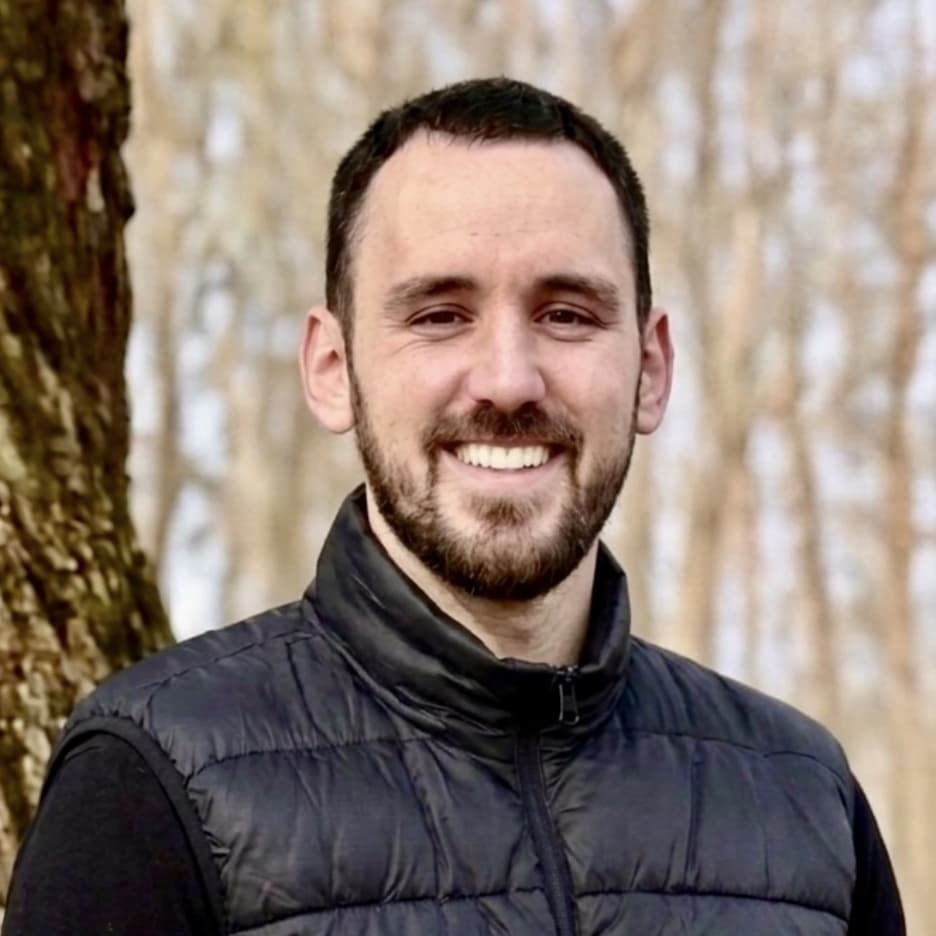
  • Photo of Richard Tatomir

    Richard Tatomir

    Canadian Certified Counsellor

    • Offers in-person (Langley, BC)
    • Virtual sessions in all provinces and territories.
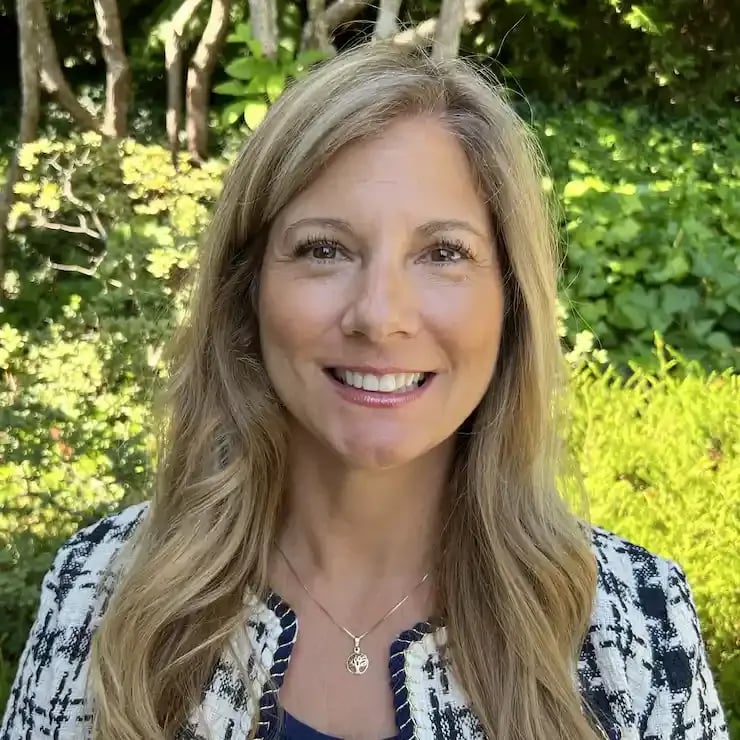
  • Photo of Anna Loch

    Anna Loch

    Registered Clinical Counsellor

    • Offers in-person (Vancouver, BC)
    • Virtual sessions in all provinces and territories.
  • Photo of Rob Matula

    Rob Matula

    Registered Clinical Counsellor

    • Offers in-person (Burnaby, BC)
    • Virtual sessions in BC
  • Photo of Maux Elworthy

    Maux Elworthy

    Registered Clinical Counsellor

    • Offers in-person (Vancouver, BC)
    • Virtual sessions in BC, AB, MB, NL, SK, YT, NT, NU
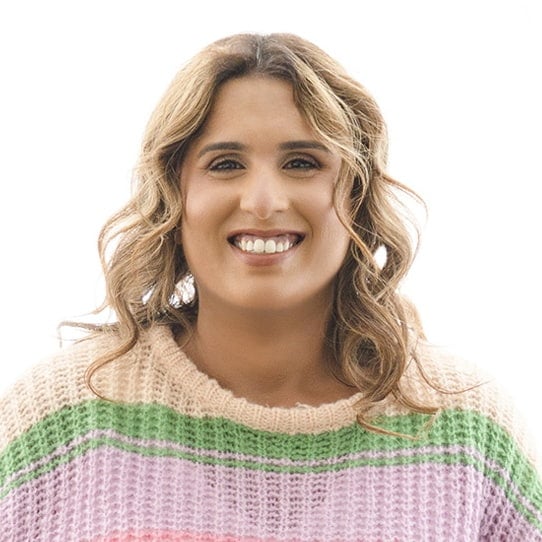
  • Photo of Glory Mulera

    Glory Mulera

    Registered Clinical Counsellor

    • Offers in-person (Vancouver, BC)
    • Virtual sessions in all provinces and territories.
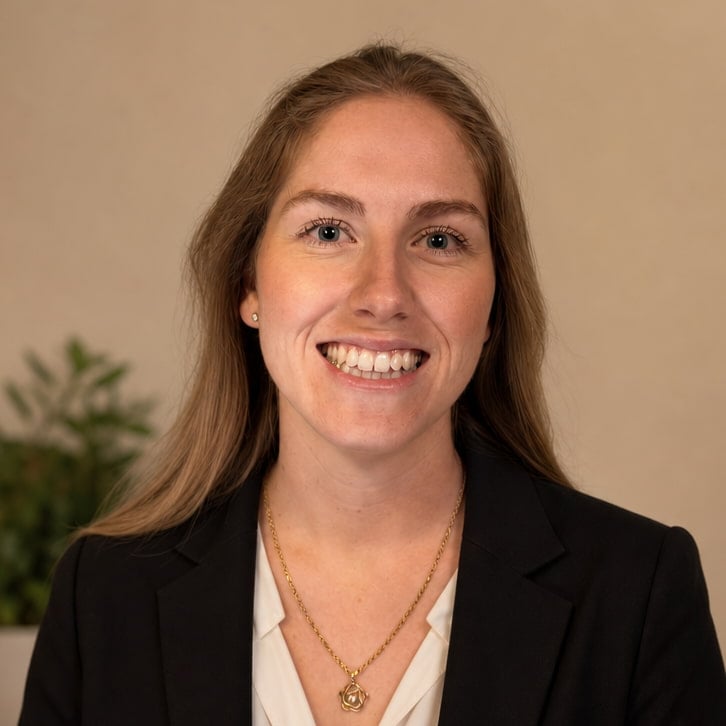
  • Photo of Mandy Rai

    Mandy Rai

    Registered Clinical Counsellor

    • Offers in-person (Richmond, BC)
    • Virtual sessions in BC
  • Photo of Anastasia Sutulova

    Anastasia Sutulova

    Registered Clinical Counsellor

    • Offers in-person (Vancouver, BC)
    • Virtual sessions in MB, ON, YT, NU, NT, AB, BC, NL, SK
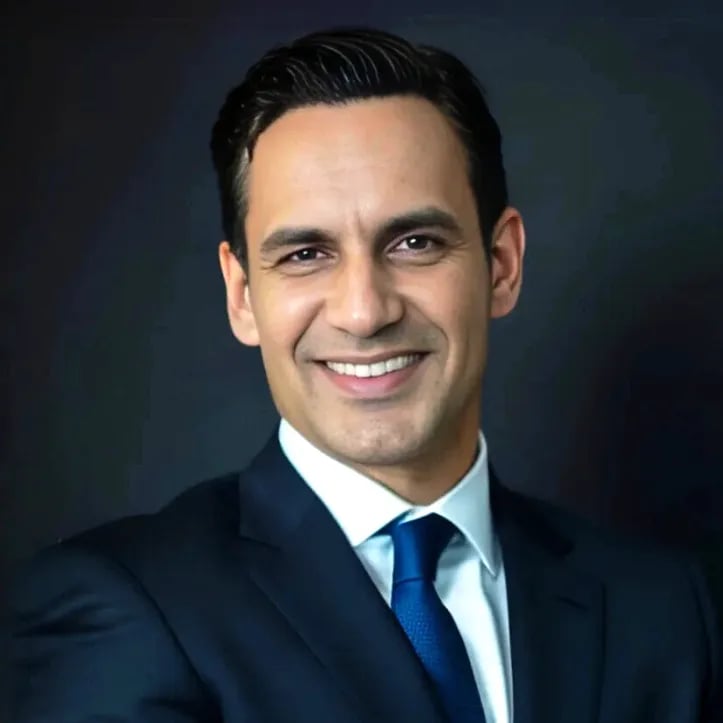
  • Photo of Dr. Karanvir Singh

    Dr. Karanvir Singh

    Registered Clinical Counsellor

    • Offers in-person (Vancouver, BC)
    • Virtual sessions in BC, AB, MB, NS, SK, YT, NT, NU
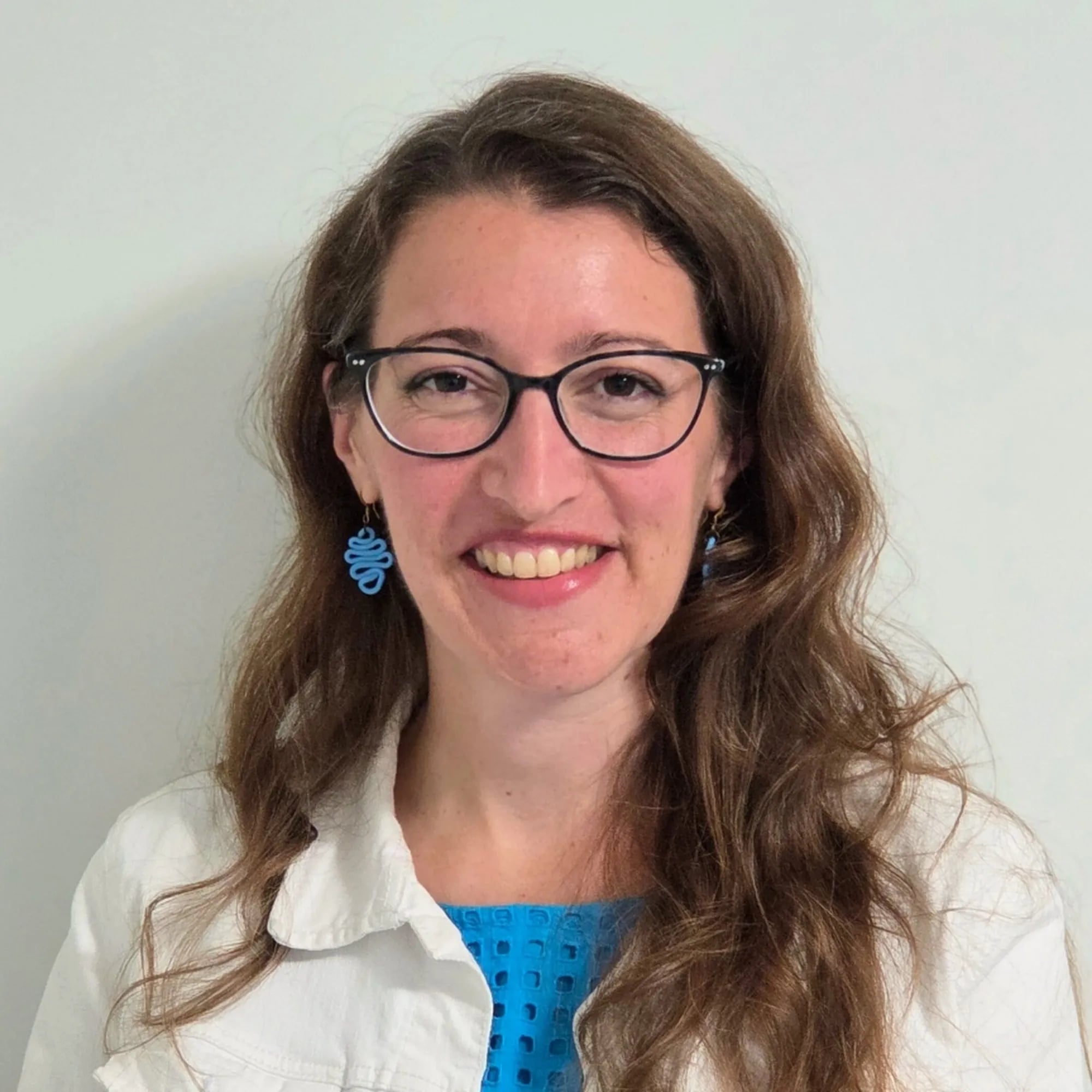
  • Photo of Marianne Campbell

    Marianne Campbell

    Registered Clinical Counsellor

    • Offers in-person (Vancouver, BC)
    • Virtual sessions in BC
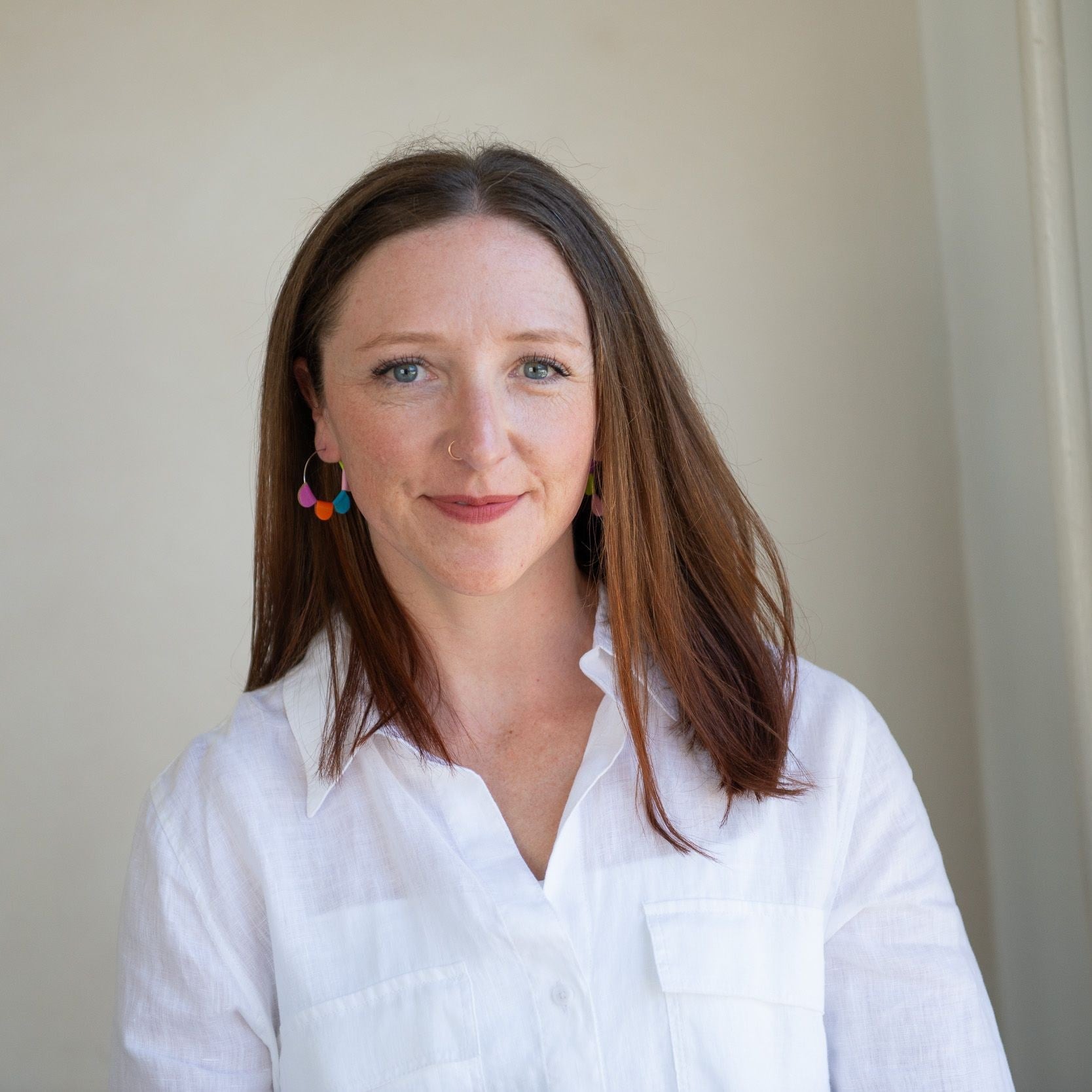
  • Photo of Dr. Chasidy Karpiuk

    Dr. Chasidy Karpiuk

    Registered Clinical Counsellor

    • Waitlist
    • Offers in-person (North Vancouver, BC)
    • Virtual sessions in BC
  • Photo of Madeline Kang

    Madeline Kang

    Registered Clinical Counsellor

    • Offers in-person (Squamish, BC)
    • Virtual sessions in BC
  • Photo of Joshua Abercrombie

    Joshua Abercrombie

    Registered Clinical Counsellor

    • Offers in-person (Abbotsford, BC)
    • Virtual sessions in BC

Frequently asked therapy questions

How much does therapy cost for SFU students?

Private therapy sessions in Burnaby typically run $120–$280, depending on the therapist's credentials, experience, and specialty. The SFSS Enhanced plan covers 90%, up to $750 a year. For example, on a $200 session, the plan reimburses $180, so you'd pay $20 out of pocket, and the maximum covers about four sessions.

First Session lists every therapist's session cost upfront (taxes included) so you can consider your budget first. If cost is a concern, you can filter for therapists offering sliding scale rates, or for student or intern therapists offering low-cost therapy.

Does the SFU student health plan (SFSS or GSS) cover therapy and counselling?

Yes, but coverage depends on your plan:

  • Undergraduates registered for 3 or more credits in Fall or Spring are automatically enrolled in the SFSS plan: 90% per visit, up to $750 a year (Enhanced), or $30 per visit, up to $650 a year (Basic). It covers registered psychologists, Registered Clinical Counsellors (RCCs), Canadian Certified Counsellors (CCCs), and social workers with an MSW, who share one annual maximum.
  • Graduate students starting in Fall or Winter are automatically enrolled in the GSS plan: psychologists at 80% per visit, up to $600 a year, plus other "mental health practitioners" at 80% per visit, up to $400 a year. The plan doesn't say which designations count, so confirm with Alumo before booking a counsellor or social worker.

Checking for an MSW: If your plan only covers social workers with a Master of Social Work (MSW), open the social worker's profile on First Session and look under More Info, then Education.

Plans change each year, so confirm your coverage with your insurer before booking. If you're unsure whether a therapist qualifies, ask during their free consultation.

How can I use my student insurance to pay for therapy?

First Session doesn't offer direct billing, so you’ll pay for your session by debit or credit card and receive an itemized receipt from your therapist. After your appointment, you can submit the receipt through your insurance provider’s online portal or mobile app. You’ll typically need information such as the therapist’s name and credentials, the date and cost of the session, and your plan or member number. Your insurer will then review the claim, and you'll typically be reimbursed within 2-5 days for the eligible portion based on your coverage. 

What student mental health resources does SFU offer?

SFU Health & Counselling provides free, confidential, and short-term counselling for registered students. Simply call the front desk to schedule an intake appointment. They also offer group counselling, such as the 2SLGBTQIA+ student support group, black student support and healing space, climate change anxiety, DBT skills for everyday life, ADHD support, dungeons & worry dragons, and more. You may also check out MySPP to connect with a trained counsellor by phone or text and explore a digital mental health library.

For longer-term support or if you want a therapist with expertise in a specific mental health concern or therapy approach, you can also consider private therapy. Your student insurance may cover part of the cost, and some therapists offer sliding-scale rates based on your budget.

How is private therapy different from SFU Health & Counselling?

SFU Health & Counselling is free for students and generally short-term. Wait times can fluctuate throughout the academic year, and students who need longer-term support may be referred to off-campus providers. It can be a great starting point, with group counselling on everything from ADHD to climate anxiety.

Private therapy typically involves paying for sessions out of pocket, although eligible fees may be partially or fully reimbursed through your student health insurance plan. It can provide ongoing support over a longer period and more choice in selecting a therapist whose specialty and approach match your needs.

Will my parents or university know if I go to therapy?

Nope! Therapy is confidential. Your therapist cannot share what you discuss with anyone else, including your parents, professors, or employers, without your consent, except in certain circumstances, such as a serious and immediate safety concern or when disclosure is required by law. Your therapist can explain the specific limits of confidentiality in your first session.

If you choose private therapy, one thing to keep in mind is your health insurance. If you use a plan where someone else is the policyholder, such as a parent's insurance plan, the policyholder may receive information about claims. If you're using your own student insurance plan, this generally isn't an issue.

How do I register with SFU accessibility services for a mental health condition?

Register with SFU's Centre for Accessible Learning (CAL) by completing the online Application for Services Form and submitting documentation from a regulated health practitioner qualified to diagnose your condition. For mental health, that's a clinical psychologist, psychiatrist, or physician who knows your medical history well. You'll then meet with a Disability Access Advisor to discuss your learning needs and accommodations.

How do I get a deferred exam or academic concession at SFU after a mental health crisis?

Contact your instructor as soon as possible. Under SFU's academic concession rules, you don't need a medical note for short illnesses: instructors can ask you to complete an Academic Concession Self-Declaration Form instead. Instructors may request medical documentation for a missed final exam or an assessment worth more than 20% of your grade. If you miss a final exam, request a deferred (DE) grade on documented medical grounds within 24 hours after the exam.

Is First Session affiliated with Simon Fraser University?

No. First Session is an independent company and is not affiliated with Simon Fraser University. We created this page specifically to support SFU students and carefully researched all the information here. However, we encourage you to double-check details with your school if you're unsure. The therapists listed on First Session are carefully vetted licensed professionals, and their sessions are eligible for reimbursement through your student health insurance.

Ready to talk?

Use First Session to find the best therapist for you.