Academic Accommodations for Mental Health in Canadian Universities
If your mental health is making school harder, you may be entitled to support, and you don’t need to hit rock bottom to ask for it. Most Canadian universities offer academic accommodations for mental health struggles, yet many students never use them because they don't know the option exists or aren't sure how to start.
This guide walks you through what academic accommodations are, how to register, what's commonly available, how accommodations differ from academic considerations (concessions), and who can help with the paperwork.
What Are Academic Accommodations?
Academic accommodations are individualized supports, adjustments, or services that reduce barriers to learning for students with disabilities. The goal is to give everyone a fair opportunity to participate in their education and demonstrate their knowledge and abilities.
In Canada, post-secondary institutions have a duty to accommodate students with disabilities up to the point of undue hardship. The details depend on provincial or territorial legislation. In Ontario, for example, it’s the Human Rights Code and the Accessibility for Ontarians with Disabilities Act.
Academic accommodations are commonly arranged for students living with:
- Anxiety disorders, including generalized anxiety, social anxiety, panic disorder, and significant test anxiety
- Mood disorders, including depression, seasonal affective disorder (SAD), bipolar disorder, and dysthymia
- Post-traumatic stress disorder (PTSD) and trauma-related conditions
- Obsessive-compulsive disorder (OCD)
- Attention-deficit/hyperactivity disorder (ADHD)
- Autism spectrum disorder (ASD)
- Eating disorders
- Psychosis-spectrum disorders, such as schizophrenia
- Temporary difficulties, such as a severe depressive episode, a period of acute stress, or recovery from a crisis
This is, of course, not an exhaustive list. Eligibility often depends on how a student’s functioning is affected, rather than a specific diagnosis.
How Do You Register for Academic Accommodations
1. Reach out to your accessibility office
Your first point of contact is your university's accessibility office, though it can be called something else like Accessibility Services, Student Accessibility Centre, Disability Services, and so on. These offices employ advisors whose job is to help you figure this out.
You don't need to have all the answers before you reach out. It's enough to say you've been struggling with something and want to explore what supports might be available.
2. Start early, but know it's never too late
The process can take time, so register well in advance if you can. That way your academic accommodations are in place when classes begin, and well before your first test or exam.
If you started struggling mid-term, or you've only just realized accommodations were an option, reach out anyway. Find out what's still possible. Many students begin the process partway through the year.
3. Submit documentation
Most schools ask for a disability verification form, signed by a regulated health professional such as a doctor or psychologist. (See the last section for who can provide it.) The form typically covers the nature of your disability or condition, how it affects your studies, limitations you experience, types of accommodations that may help, and whether your needs are ongoing, fluctuating, or temporary.
4. Meet with an accessibility advisor
This is where you build your accommodation plan together. It's also a good time to learn about institutional policies and ask about additional resources, such as counselling, peer support, or study skills programs.
Depending on the school, you may receive an accommodation letter, or use an online system to share your accommodations with your instructors. Read your plan carefully and ask questions if anything is unclear. Make sure you understand your responsibilities, such as submitting exam requests by a certain deadline.
5. Revisit your needs when necessary
Your needs may change throughout your degree, and that's okay. Contact your accessibility office to discuss adjustments or additional support. They may ask for updated documentation or another meeting with your advisor.
A few reminders:
- Your personal and medical information is held confidentially and is often shared only on a need-to-know basis.
- Registering doesn't commit you to anything. You're under no obligation to use your accommodations, but it often helps to know they're available.
- Temporary conditions qualify too.
What Accommodations Might Be Available?
Accommodations are individualized. Two students with the same diagnosis can end up with different accommodations, and the same student might need different things for different circumstances. These are some of the most common options.
Testing accommodations
For students with test anxiety, panic, ADHD, or concentration difficulties, exam accommodations are often the most-used support:
- Extra time on exams
- Distraction-reduced or private testing environments
- Scheduled breaks during exams
- Alternative exam formats
Learning accommodations
- Peer note takers or access to lecture notes
- Permission to audio-record lectures
- Preferential seating
- Advance access to course materials
- Flexible or alternative attendance
- Deadline extensions
- Reduced course loads
Not every accommodation is appropriate for every student, and not every accommodation is available in every situation. Which supports make sense for you is something you'll work out with your accessibility advisor.
Who Can Provide Documentation?
To register for accessibility services at your university, you’ll need documentation from a regulated, licensed health care practitioner whose scope of practice matches your specific disability or mental health condition. This can include medical doctors (MD), nurse practitioners (NP), psychiatrists, psychologists, and neuropsychologists. Some institutions may also accept supporting letters from registered therapists, social workers, or counsellors, but you may still need a disability verification form signed by one of the professionals above.
Psychologists
Psychologists in Canada are regulated mental health professionals with advanced training in psychology, often a PhD or PsyD, followed by supervised clinical practice and licensing exams. They can assess and diagnose mental health conditions, and they provide psychotherapy to treat them. What they typically can't do in Canada is prescribe medication. For that, you'll need a medical doctor (MD) like a family physician or psychiatrist and, in some cases, a nurse practitioner (NP).
For ADHD, autism, or learning disabilities, schools sometimes ask for a psychoeducational assessment, which is a formal evaluation completed over several sessions that looks at how you learn and process information. It typically covers cognitive abilities, academic skills such as reading, writing, and math, attention and executive functioning, and emotional factors that may be affecting your learning. Some psychologists provide assessments like this. Some student health insurance plans cover psychological services, including psychoeducational assessments, which can lower your out-of-pocket costs, so check what your plan includes.
Therapists and counsellors
If you see a registered psychotherapist, social worker, or counsellor regularly, they probably know how your difficulties affect your day-to-day life. Whether your school accepts a letter from them varies. Some institutions accept it; others accept it as a supporting letter alongside a form signed by another professional, like a medical doctor (MD) or psychologist.
Don't have a therapist but think you might want one? Seeing a therapist who works with students can be worthwhile even if paperwork isn't your main goal. Therapy can help you build coping skills and strategies to manage stress, stay organized, and do better academically. Over time, a therapist who knows you well can also support your accessibility application. If cost is a concern, you can look for therapists with sliding-scale rates and student therapists who offer low-cost therapy.
Looking for support? Start here
Licensed therapists who get student life

Michelle Ryken
Registered Clinical Counsellor
- Virtual sessions in BC, ON
Michelle Ryken
Registered Clinical Counsellor
- Offers free consultation
- $155/session
- Attachment, Emotional regulation, Identity and Self-Exploration, Anxiety, Boundaries and boundary setting, Building Meaningful Connections, Career Stress, Confidence, Coping Skills, Dating challenges, Depression, Early childhood, Familial and social relationships, General Mental Health, Grief and Loss, Interpersonal dynamics, Life transitions, Low Self-Esteem and Self Worth, Men's issues, Negative body image, Parts Work, Perfectionism, Relationship anxiety, Self Confidence
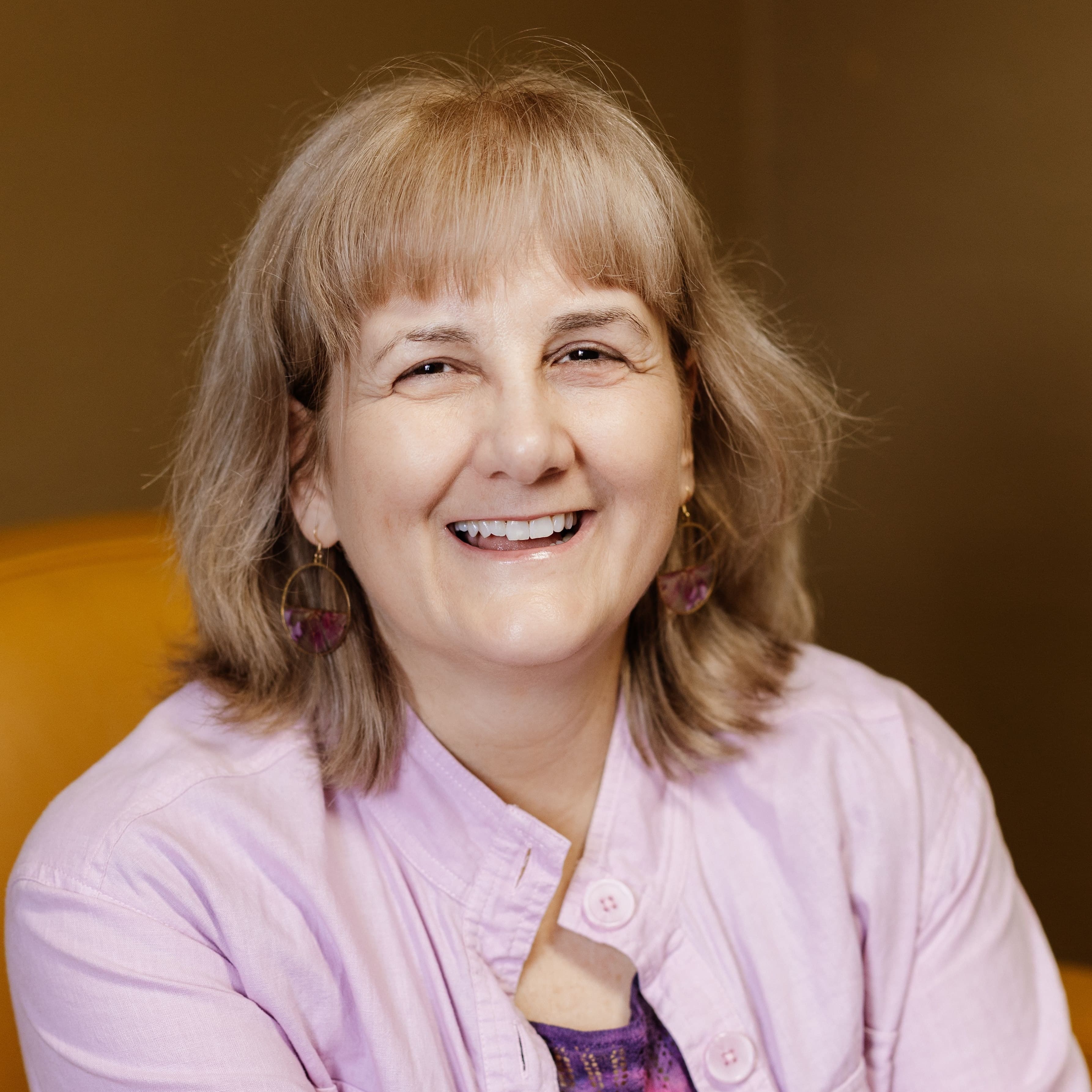
Mary Stasiuk
Registered Social Worker
- Offers in-person (Nanaimo, BC)
- Virtual sessions in BC, ON
Mary Stasiuk
Registered Social Worker
- She/Her
- Offers free consultation
- $150/session
- Addiction, ADHD, Aging, Anger, Anxiety, Attachment trauma, BIPOC, Boundaries and boundary setting, Brain injury, Burnout, Career guidance, Chronic Illness, Codependency, Conflict resolution, Coping Skills, Disability, Divorce, Emotional Eating, Family Conflict, Intergenerational trauma, Learning disabilities, Neurodiversity, Peri-menopause & Menopause Support, Workplace stress, Trauma

Ria Wooten
Registered Psychotherapist
- Virtual sessions in ON, SK, MB, NL, NT, YT, NU
Ria Wooten
Registered Psychotherapist
- she/her
- Offers free consultation
- $170/session
- Borderline Personality Disorder, Burnout, Neurodiversity, Abuse (Sexual/Physical/Verbal), Adjusting to a diagnosis, Anger, Attachment, Befriending the Nervous System, BIPOC, Boundaries and boundary setting, Break-up recovery, Caregiver burnout, Complex Trauma (CPTSD), Cultural Challenges, Emotional regulation, Existential questions, Family Conflict, Highly Sensitive Person, Identity and Self-Exploration, Intergenerational trauma, LGBTQ2IA+, Personality & Mood Disorders, Codependency, Faith

Jane Whitlaw
Registered Psychotherapist (Qualifying)
- Offers in-person (Surrey, BC)
- Virtual sessions in BC, MB, AB, SK, YT, NL, NT, NU
Jane Whitlaw
Registered Psychotherapist (Qualifying)
- She/Her
- Offers free consultation
- $170/session
- Somatic Therapy, Complex Trauma (CPTSD), Attachment, Abuse (Sexual/Physical/Verbal), Addiction, Intergenerational trauma, PTSD, Work-Life Balance, Understanding & Regulating Emotions, Stress, Separation and divorce, Relationships, Nervous system regulation, Navigating challenging relationships, Mindfulness and stress reduction, Mind-body connection, Life transitions, Family Conflict, Dissociation, Depression, Childhood trauma, Boundaries and boundary setting, Anxiety and Stress Management Skills, Career guidance, Equine-Partnered Psychotherapy

Mandy Rai
Registered Clinical Counsellor
- Offers in-person (Richmond, BC)
- Virtual sessions in BC
Mandy Rai
Registered Clinical Counsellor
- She/her
- $165/session
- Trauma processing, Complex Trauma (CPTSD), Anxiety and Stress Management Skills, Abuse (Sexual/Physical/Verbal), ADHD, Aging, Anger, Anger Management, Assertiveness, Attachment, Attachment trauma, Attachment wounds, Betrayal Trauma, Break-up recovery, BIPOC, Anxiety, Building Meaningful Connections, Bullying, Burnout, Career Stress, Boundaries and boundary setting, Childhood trauma, Children/Teens, Blocks in Connecting with Self and Others, Caregiver burnout

Shadan Mosavat
Registered Clinical Counsellor
- Virtual sessions in BC, NU, AB, MB, NL, NT, SK, YT
Shadan Mosavat
Registered Clinical Counsellor
- She/Her
- Offers free consultation
- $180/session
- ADHD, Borderline Personality Disorder, Emotional regulation, Attachment, Boundaries and boundary setting, Childhood trauma, Couples, Dealing with difficult or narcissistic personalities, Depression, Anxiety, Trauma, Stress, Self-Regulation, Befriending the Nervous System, General Mental Health, Mindfulness, Nervous system regulation, Neurodiversity, OCD, Personal Growth, Coping Skills, Racism, Relationship to self and others, Eating disorders, Cultural Challenges

Una Gair
Registered Clinical Counsellor
- Virtual sessions in BC
Una Gair
Registered Clinical Counsellor
- She/her
- Offers free consultation
- $165/session
- Abuse (Sexual/Physical/Verbal), Personality & Mood Disorders, Trauma, Addiction, Anger, Anxiety, Attachment, Attachment trauma, Attention and Impulsivity, Borderline Personality Disorder, Burnout, Career Stress, Childhood trauma, Couples Therapy, Domestic violence, Court Mandated Counselling, General Mental Health, Sexual issues, Substance Use, Workplace stress, Divorce

Marianne Campbell
Registered Clinical Counsellor
- Offers in-person (Vancouver, BC)
- Virtual sessions in BC
Marianne Campbell
Registered Clinical Counsellor
- Offers free consultation
- $150/session
- Neurodiversity, Relationships, Anxiety and Stress Management Skills, ADHD, Anxiety, Burnout, Couples Therapy, Emotional regulation, Learning disabilities, Negative thinking and ruminating, Nervous system regulation, Panic attacks, Somatic Therapy, Work-Life Balance, Boundaries and boundary setting, Anger Management, Attachment trauma, Caregivers, Conflict resolution, Depression, General Mental Health, Mindfulness and stress reduction, Codependency, Overthinking, Attention-deficit/hyperactivity disorder (ADHD)
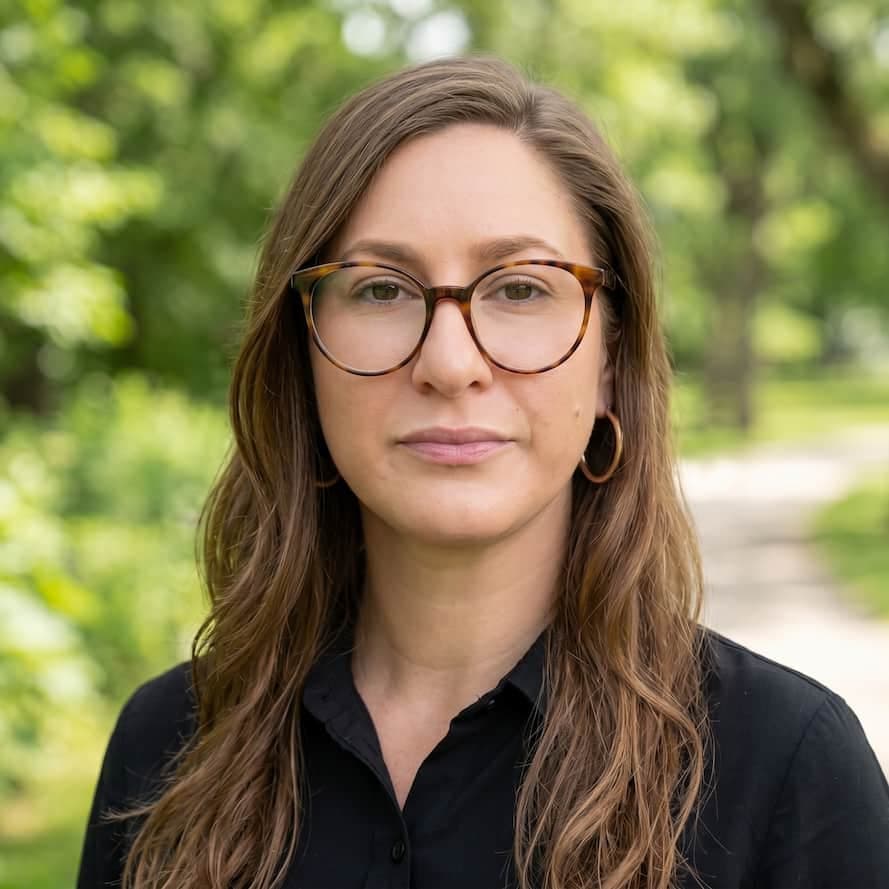
Amina Purac
Registered Psychotherapist (Qualifying)
- Virtual sessions in AB, BC, MB, ON, SK
Amina Purac
Registered Psychotherapist (Qualifying)
- She/Her
- Offers free consultation
- $135/session
- Abuse (Sexual/Physical/Verbal), Anger, ADHD, Anxiety, Behavioural Issues, Burnout, Career Stress, Confidence, Coping Skills, Cultural Challenges, Dating challenges, Depression coping skills, Emotional regulation, Family issues, Goal Setting, Life transitions, Low Self-Esteem and Self Worth, Men's issues, Mindfulness, Nature-Based Spirituality, Negative thinking and ruminating, Personality & Mood Disorders, Relationships, Self Destructive Behaviour, Stress

Caitlin Sigouin
Registered Social Worker
- Virtual sessions in ON, QC
Caitlin Sigouin
Registered Social Worker
- She/her
- Offers free consultation
- $165/session
- Grief and Loss, Maternal mental health, Parenting, ADHD, Anxiety, Attachment, Assertiveness, Boundaries and boundary setting, Caregiver burnout, Domestic violence, Emotional regulation, Familial and social relationships, Fertility, Infertility, LGBTQ2IA+, Mind-body connection, Mindfulness, People pleasing, Perinatal, Postnatal Care, Pregnancy, Women's Health, Neurodivergent

Jenny Scott
Registered Social Worker
- Offers in-person (Toronto, ON)
- Virtual sessions in ON
Jenny Scott
Registered Social Worker
- she/her
- Offers free consultation
- $160/session
- Anxiety and Stress Management Skills, Grief and Loss, People pleasing, Befriending the Nervous System, Boundaries and boundary setting, Career Stress, Caregivers, ADHD, Childhood trauma, Emotional regulation, General Mental Health, Highly Sensitive Person, Low Self-Esteem and Self Worth, Health anxiety, Mind-body connection, Mindfulness and stress reduction, Negative thinking and ruminating, Navigating challenging relationships, Nervous system regulation, Panic attacks, Parts Work, Perfectionism, Personal Growth, Self-Criticism, Trauma processing

Tania Hernandez
Registered Psychotherapist
- Virtual sessions in AB, BC, ON, MB, SK
Tania Hernandez
Registered Psychotherapist
- Offers free consultation
- $170/session
- Anxiety and Stress Management Skills, Relationship to self and others, Life transitions, Attachment, Burnout, Coping Skills, Dating challenges, Depression, Effective communication, Interpersonal dynamics, Low Self-Esteem and Self Worth, Managing ADHD symptoms, Mind-body connection, Mindfulness and stress reduction, Navigating challenging relationships, Negative thinking and ruminating, Nervous system regulation, Relationship anxiety, Self-Criticism, Trauma processing, Women's Health, Work-Life Balance, Somatic Therapy, Understanding & Regulating Emotions, Supervising qualifying therapists
How Is It Different From Academic Consideration (Or Concession)?
Academic consideration, called academic concession at some schools, covers unexpected, short-term circumstances like illness, injury, bereavement, or a mental health crisis. Possible supports include an assignment extension, exam deferral, or excused absence. Depending on the university rules, you may need supporting documentation like a doctor’s note. Who decides varies by school (instructor, faculty advising office, or registrar), and approval isn’t guaranteed.
If a mental health crisis hits right before an exam, you may be able to request a deferred exam through academic consideration even if you are not registered with the accessibility office. If you expect to need that kind of flexibility repeatedly, registering for academic accommodations is usually the better long-term route.
Financial Support for Students with Disabilities
The paperwork you gather for accommodations can also open the door to funding. The Canada Student Grant for Students with Disabilities is a federal, non-repayable grant for students who have a financial need, study in a qualified program at a designated school, and have a disability recognized by the Canada Student Financial Assistance Program. You apply at the same time as you apply for student aid with your province or territory (e.g., OSAP in Ontario), and you must include a document showing your disability. Students from Quebec, the Northwest Territories, and Nunavut use their own student aid programs instead.
The grant amount has changed over the years, so check the current figure before you plan around it. A separate federal grant, the Canada Student Grant for Services and Equipment, can help cover education-related services or equipment, such as assistive technology. Your accessibility advisor or student aid office can tell you which documents they will accept.
Frequently asked questions
What are academic accommodations for mental health?
Academic accommodations are individualized supports that reduce barriers to learning for students with disabilities, including mental health conditions. Examples include extra time on exams, a private testing room, deadline extensions, and lecture notes. The goal is to give every student a fair opportunity to show what they know.
Who is eligible for mental health accommodations at a Canadian university?
Students living with anxiety, depression, PTSD, OCD, ADHD, autism, eating disorders, or psychosis-spectrum conditions are commonly eligible, as are students with temporary difficulties like a severe depressive episode or recovery from a crisis. Eligibility often depends on how your functioning is affected rather than on a specific diagnosis.
How do I register for academic accommodations?
Contact your university’s accessibility office, which may be called Accessibility Services or Disability Services. You’ll typically submit documentation from a health professional, then meet with an accessibility advisor to build your accommodation plan. You don’t need to have all the answers before reaching out.
What documentation do I need ?
Most schools ask for a disability verification form signed by a licensed health professional, such as a doctor, nurse practitioner, psychiatrist, or psychologist. The form usually describes your condition, how it affects your studies, and whether your needs are ongoing, fluctuating, or temporary.
Can a therapist or counsellor provide my documentation?
It depends on your school. Some accept a letter from a registered therapist, social worker, or counsellor, while others accept it only as a supporting letter alongside a form signed by a doctor or psychologist. Check your accessibility office’s requirements first.
Is it too late to register in the middle of the semester?
No. Registering early is ideal, but many students begin partway through the year. Reach out anyway and ask what’s still possible.
What academic accommodations are available for mental health?
Common options include extra exam time, distraction-reduced testing spaces, scheduled breaks, peer note takers, permission to audio-record lectures, flexible attendance, deadline extensions, and reduced course loads. Accommodations are individualized, so you and your advisor will work out what's right for you.
Are academic accommodations confidential?
Yes. Your personal and medical information is held confidentially and is often shared only on a need-to-know basis. Registering also doesn’t commit you to using your accommodations, but it's nice to know they're there when you need them.
What’s the difference between academic accommodations and academic consideration?
Academic consideration (called academic concession at some schools) covers unexpected, short-term circumstances like illness, bereavement, or a mental health crisis, and may mean an extension or deferred exam. Accommodations are ongoing, individualized supports. If you expect to need flexibility repeatedly, registering for accommodations is usually the better long-term route.
Is there financial support for students with disabilities in Canada?
Yes. The Canada Student Grant for Students with Disabilities is a non-repayable federal grant for students with financial need and a recognized disability, and you apply for it alongside your province’s student aid (like OSAP for Ontario). The Canada Student Grant for Services and Equipment can help cover items like assistive technology. Check current amounts before planning around them.