Understanding Interpersonal Neurobiology (IPNB)
Interpersonal Neurobiology is a framework that explores how relationships and brain development shape our emotional lives. While our network of IPNB-informed therapists is growing, you can explore therapists who integrate neuroscience and attachment-based approaches.
Diane Brussell
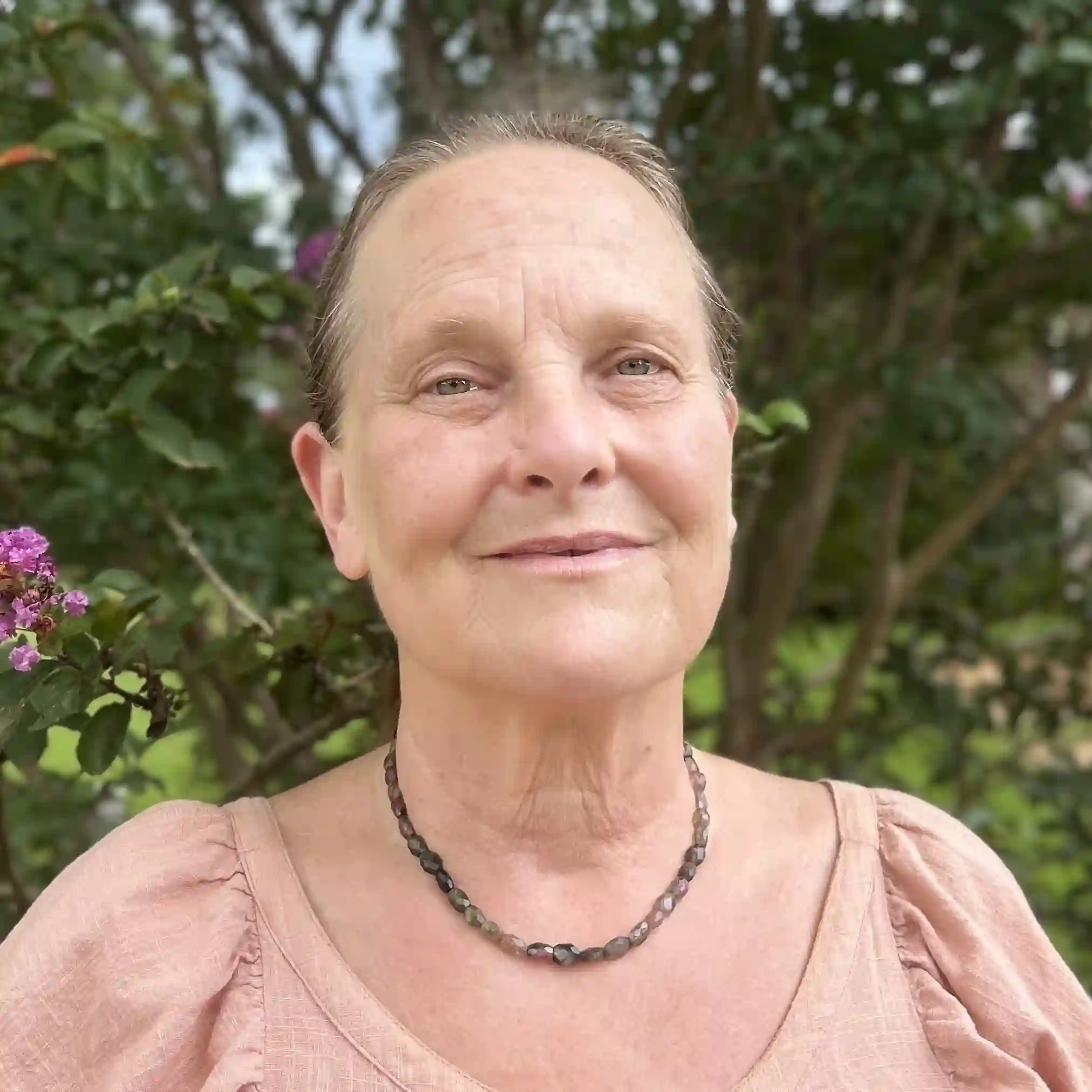
Diane Brussell
Rebekkah Stainton

Rebekkah Stainton
Daisie Auty

Daisie Auty

Therapy is hard work.
Interpersonal Neurobiology (IPNB) is an interdisciplinary framework that integrates findings from neuroscience, psychology, and attachment theory to understand how relationships shape the brain and influence emotional well-being. Developed by psychiatrist Dr. Daniel Siegel, IPNB suggests that our minds develop through our relationships and that healthy connections can promote what he calls "neural integration"—the linking of different brain regions for greater emotional balance. IPNB-informed therapists help clients understand how their brains work and how relational experiences, including the therapeutic relationship, may support personal growth.
Many people find IPNB-informed approaches helpful for understanding their emotional patterns and developing greater self-awareness. This framework may support people in learning to regulate their emotions, building stronger relationships, and understanding how past experiences influence present reactions. IPNB provides a language for talking about the mind-brain connection and can help people feel less alone in their struggles by normalizing how our brains respond to stress and relationships. The approach often emphasizes mindfulness and present-moment awareness as tools for emotional balance.
IPNB-informed therapy can be relevant for anyone interested in understanding the connection between their brain, relationships, and emotional experiences. It may be particularly meaningful for people exploring attachment patterns, those who have experienced relational difficulties, or anyone curious about how early experiences shape their current responses. Parents interested in supporting their children's emotional development also often find IPNB concepts valuable. The framework is accessible and educational, offering insights that many people find helpful regardless of their specific concerns.
While therapists who specifically identify as IPNB practitioners represent a growing field, many therapists integrate neuroscience and attachment principles into their work. On First Session, you can explore therapists who list trauma-informed, attachment-based, or relational approaches in their profiles. When watching intro videos or booking a free consultation, you can ask therapists about their familiarity with IPNB concepts and whether they incorporate neuroscience perspectives into their practice.
If you're drawn to IPNB's focus on relationships and brain science, you may also want to explore attachment-based therapy, trauma-informed care, mindfulness-based therapies, or Sensorimotor Psychotherapy. Relational and psychodynamic therapies also share IPNB's emphasis on how relationships shape our inner world. Many therapists blend multiple approaches, so exploring different profiles can help you find someone whose combination of methods feels right for you. Learn more about finding the right therapist for your needs.
First Session makes it easier to find a therapist whose approach resonates with you. You can browse therapists by their specialties and modalities, watch intro videos to get a sense of their style and personality, and book directly online when you're ready. All therapists on our platform have had their credentials verified during onboarding. Even if you don't find someone who specifically lists IPNB, many therapists incorporate similar principles. Learn more about therapy costs in Canada to help plan your next steps.