Expressive Arts Therapy Therapists
Expressive arts therapy uses creative modalities like visual art, music, movement, and writing to support emotional exploration and growth. No artistic experience is needed—the focus is on expression, not perfection.
Mira Berlin
.jpeg)
Mira Berlin
Maureen Elworthy
-Cropped-(1).jpeg)
Maureen Elworthy
Sharon Singh
-Cropped-(1).jpeg)
Sharon Singh
Cassandra Myers
-Cropped.webp)
Cassandra Myers
Diane Brussell
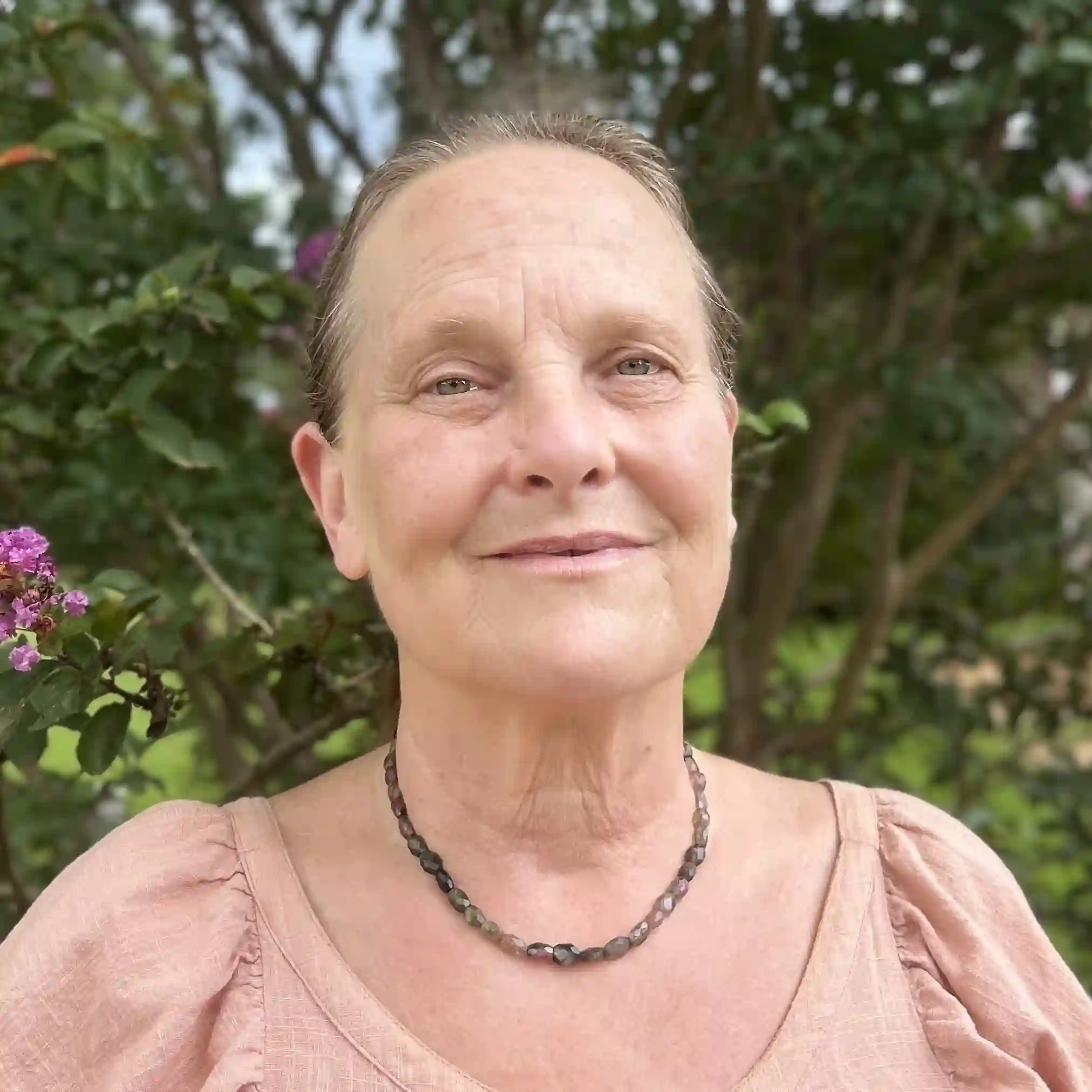
Diane Brussell
Mariya Garnet

Mariya Garnet
Kate Newby

Kate Newby
Jennifer Henderson

Jennifer Henderson
Rebekkah Stainton

Rebekkah Stainton
Dr. Chasidy Karpiuk
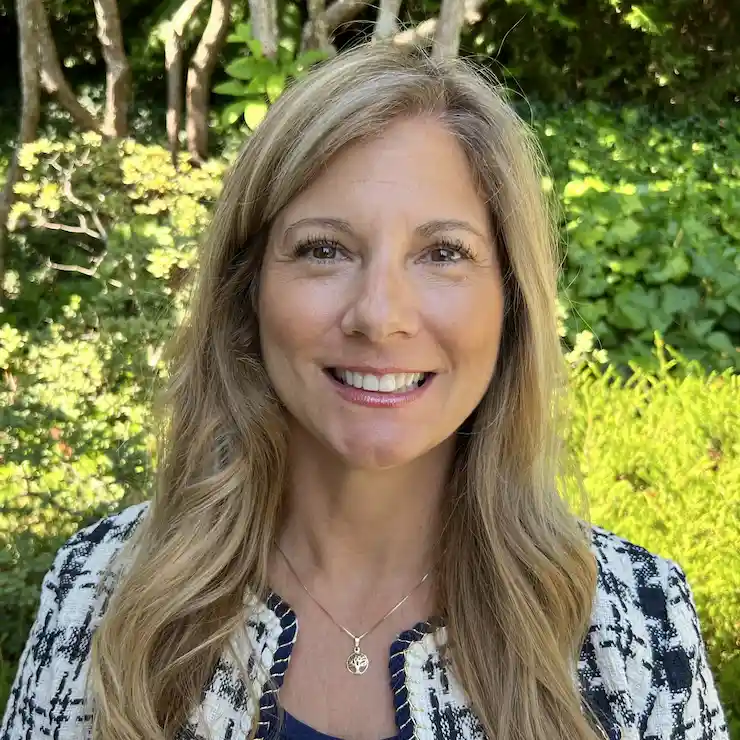
Dr. Chasidy Karpiuk

Therapy is hard work.
Each session is unique and guided by what emerges for you in the moment. Your therapist may invite you to explore through drawing, painting, movement, music, drama, poetry, or other creative forms. You might work with one modality or move between several during a single session. The therapist provides a supportive space and may offer gentle prompts, but the direction often follows your intuition. There's no pressure to create anything polished—the value lies in the act of expression itself and what it reveals.
Not at all. Expressive arts therapy is about process, not product. You don't need any artistic training or talent to benefit from this approach. The creative activities are tools for exploration rather than opportunities to demonstrate skill. Many people find this modality helpful precisely because it bypasses the need to find the "right words" and allows expression through colour, sound, movement, or imagery instead. Your therapist will create a non-judgmental space where however you express yourself is welcomed.
Expressive arts therapy may support people navigating a wide range of experiences, including anxiety, grief, trauma, life transitions, relationship challenges, and creative blocks. It can be particularly helpful for those who feel stuck in traditional talk therapy or who process emotions more easily through sensory and creative channels. Children, teens, and adults of all ages may find this approach meaningful. Your therapist can help determine whether expressive arts therapy aligns with your needs and goals.
While art therapy typically focuses on visual art as the primary medium, expressive arts therapy is multimodal—it incorporates visual art, music, movement, drama, creative writing, and other forms within the same therapeutic framework. The intermodal approach allows you to shift between creative forms based on what feels most natural or revealing in the moment. Both approaches share a foundation in using creativity for healing and self-discovery, but expressive arts therapy offers more flexibility in how you engage.
Yes, many therapists offer expressive arts therapy through virtual sessions. Online sessions might involve drawing, collage, movement, writing, or sound-making using materials you have at home. Your therapist can suggest simple supplies to keep on hand. Some people find that being in their own space actually supports a sense of safety and creative freedom. First Session offers both online and in-person options, so you can choose the format that works best for you.
You can browse therapist profiles on First Session and filter by modality to find those who offer expressive arts therapy. Each therapist has an intro video so you can get a sense of their personality and approach before reaching out. All therapists on the platform have their credentials verified during onboarding. Once you find someone who resonates with you, you can book a free consultation to discuss your goals and ask any questions before committing to ongoing sessions.