AEDP Therapists
Accelerated Experiential Dynamic Psychotherapy (AEDP) is an attachment-based approach that works with emotions directly to help people move through difficult experiences and access deeper healing.
Aaron Rousseau

Aaron Rousseau
Dr. Karanvir Singh
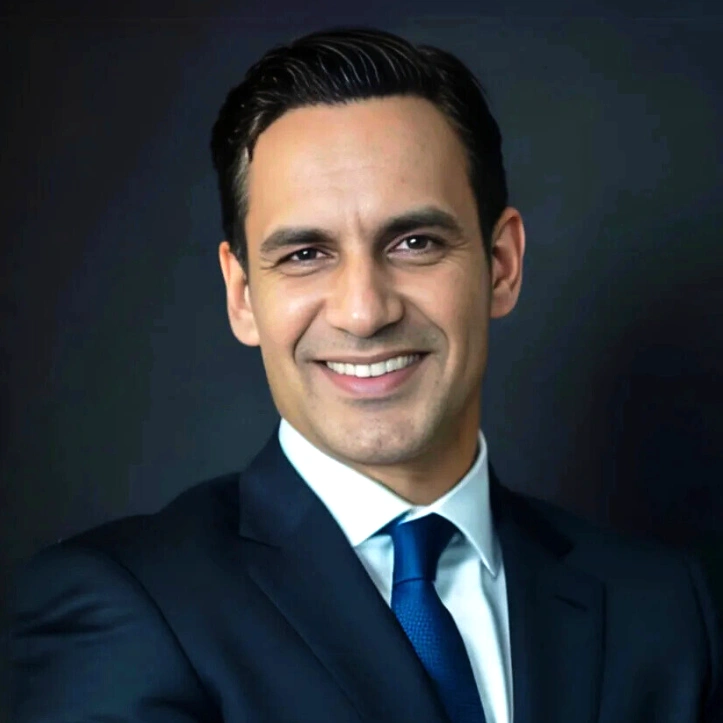
Dr. Karanvir Singh
Lacey Clarke

Lacey Clarke
Ciara Williams

Ciara Williams
Alexa Harder

Alexa Harder
Courtney Doherty

Courtney Doherty
Rachel Bennett

Rachel Bennett
Andras Lenart

Andras Lenart

Therapy is hard work.
AEDP is an emotion-focused, attachment-based form of therapy that emphasizes the healing power of connection and direct emotional experience. Developed by Dr. Diana Fosha, it works on the principle that transformative change happens when difficult emotions are processed within a secure, supportive relationship rather than in isolation.
Unlike approaches that focus primarily on analyzing thoughts or behaviours, AEDP invites clients to notice and stay with their feelings as they arise in session, using the body's signals as important information. The therapist actively engages with empathy and presence, helping to create safety so that painful emotions can be fully felt and transformed.
AEDP may be helpful for people who want to work more deeply with their emotions and who feel ready to explore difficult feelings in a supportive environment. It often resonates with those who sense that their struggles are connected to past experiences of feeling alone, unsupported, or disconnected.
This approach may also suit individuals who find purely talk-based therapy limiting and are curious about a more experiential, body-aware way of working. People dealing with grief, relational difficulties, anxiety, depression, or the lasting effects of difficult early experiences sometimes find AEDP's focus on emotional processing particularly meaningful.
In AEDP sessions, the therapist creates a warm, attuned environment and gently guides attention toward emotions as they come up. Rather than staying at a distance from feelings, clients are invited to slow down and notice what they're experiencing—including physical sensations, images, or memories that may arise.
A distinctive feature of AEDP is "metaprocessing," where therapist and client pause to reflect on positive emotional shifts that occur during the work. This helps consolidate gains and builds awareness of one's capacity for healing. Sessions tend to be collaborative, with the therapist offering active support and genuine emotional engagement throughout.
The length of AEDP therapy varies depending on individual circumstances and goals. Some people experience meaningful shifts relatively quickly due to the approach's focus on in-the-moment emotional processing, while others may choose to continue longer to address deeper patterns.
Your therapist can help you get a sense of what might be involved based on what you're hoping to work on. Many people find it helpful to start without a fixed endpoint in mind and reassess progress together as the work unfolds.
Finding the right therapist is an important part of the process. On First Session, you can browse therapist profiles and watch intro videos to get a sense of each therapist's style and personality before booking. This can help you find someone whose approach feels like a good fit.
All therapists on the platform have their credentials verified during onboarding. You might also find it useful to read about what makes a good therapeutic match as you explore your options.
Booking is straightforward on First Session. Browse therapist profiles to find practitioners who offer AEDP, watch their intro videos, and check their availability. When you find someone who seems like a good fit, you can book directly through their profile.
If you have questions about therapy costs or what to expect, information is available on the platform. Many therapists offer both online and in-person sessions, giving you flexibility in how you connect.