Vulnerability Therapists
Vulnerability can feel uncomfortable, yet it's often a path toward deeper connection and personal growth. A therapist can help you explore what makes openness feel risky and support you in building trust at your own pace.
Arooj Rehman
.jpeg)
Arooj Rehman
Mendy Bisk
.jpeg)
Mendy Bisk
Mat Dean
.webp)
Mat Dean
Hanna Verhagen

Hanna Verhagen
Lacey Clarke

Lacey Clarke
Jason Scriven

Jason Scriven
Michael Chu

Michael Chu
Fawn MacInnis

Fawn MacInnis
Dr. Chasidy Karpiuk
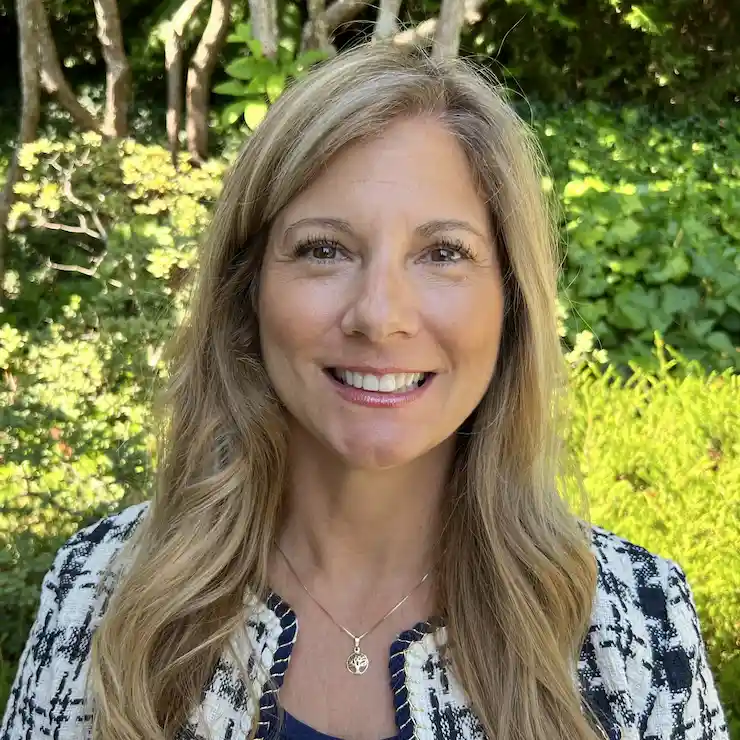
Dr. Chasidy Karpiuk
Faraja Gaudin

Faraja Gaudin
Cassandra Fezzuoglio

Cassandra Fezzuoglio

Therapy is hard work.
Vulnerability is the willingness to show up authentically and share your true thoughts, feelings, and experiences with others—even when there's emotional risk involved. It often involves uncertainty, exposure, and the possibility of rejection. While vulnerability can feel uncomfortable, it's also considered essential for building genuine connections, intimacy, and trust. Many people find that their relationship with vulnerability has been shaped by past experiences, attachment patterns, and cultural messages about strength and self-reliance.
Therapy for vulnerability may be helpful if you find it difficult to open up in relationships, tend to keep others at a distance, or feel anxious when sharing your authentic self. It can also support those who have experienced betrayal or rejection and now struggle to trust. People who feel emotionally numb, disconnected from their feelings, or who use perfectionism or people-pleasing as a shield may also find value in exploring vulnerability with a therapist. If you sense that difficulty with openness is affecting your relationships or sense of fulfillment, therapy can provide a safe starting point.
Working on vulnerability in therapy typically begins with building a trusting relationship with your therapist—a relationship where you can practice being open without judgment. Your therapist may help you explore past experiences that taught you to protect yourself, identify patterns in how you relate to others, and understand the fears that arise when you consider being more open. Sessions often involve examining thoughts and beliefs about safety, worth, and connection. The pace is always yours to set, and a good therapist will respect your boundaries while gently supporting growth.
The length of therapy varies based on individual needs, goals, and circumstances. Some people find that a few months of focused work helps them make meaningful shifts in how they relate to vulnerability. Others prefer longer-term therapy to explore deeper patterns and sustain changes over time. Your therapist can help you assess progress and adjust the approach as needed. Many people start with weekly sessions and adjust frequency as they feel more grounded. Learn more about how much therapy costs when planning your journey.
Finding the right therapist is especially important when working on vulnerability, since the therapeutic relationship itself becomes a space to practice openness. Look for someone whose approach and personality feel comfortable to you. On First Session, you can watch therapist intro videos before booking, giving you a sense of their style and presence. Pay attention to whether you feel heard and respected during your first few sessions. It's okay to try a few therapists before finding the right fit—what matters most is that you feel safe enough to begin the work.
Booking a session on First Session is straightforward. Browse therapist profiles, watch their intro videos to get a sense of who they are, and check their availability. All therapists on the platform have had their credentials verified during onboarding. Once you've found someone who feels like a good match, you can book directly online at a time that works for you. Many therapists offer both online and in-person sessions, so you can choose what feels most comfortable. Start by exploring therapists who work with vulnerability and related concerns.