Rewilding & Reclaiming the Wild Feminine
Rewilding therapy offers a path to reconnecting with your instincts, intuition, and the natural world. First Session's growing network includes therapists who incorporate this nature-based, depth-oriented approach into their practice.

Rewilding and reclaiming the wild feminine is a therapeutic approach that draws from depth psychology, ecopsychology, and feminist frameworks to support reconnection with instinctual wisdom and authentic self-expression. This work often explores themes of nature connection, embodiment, creativity, and the reclamation of parts of the self that may have been suppressed or disconnected through life experiences and cultural conditioning.
While this specialized approach is part of First Session's expanding offerings, you may also find value in exploring related therapeutic modalities such as somatic therapy, women's issues counselling, spiritually-integrated therapy, or nature-based approaches. Many therapists blend elements of rewilding work with other evidence-informed practices to create a personalized therapeutic experience.
Andrew Fawcett

Andrew Fawcett
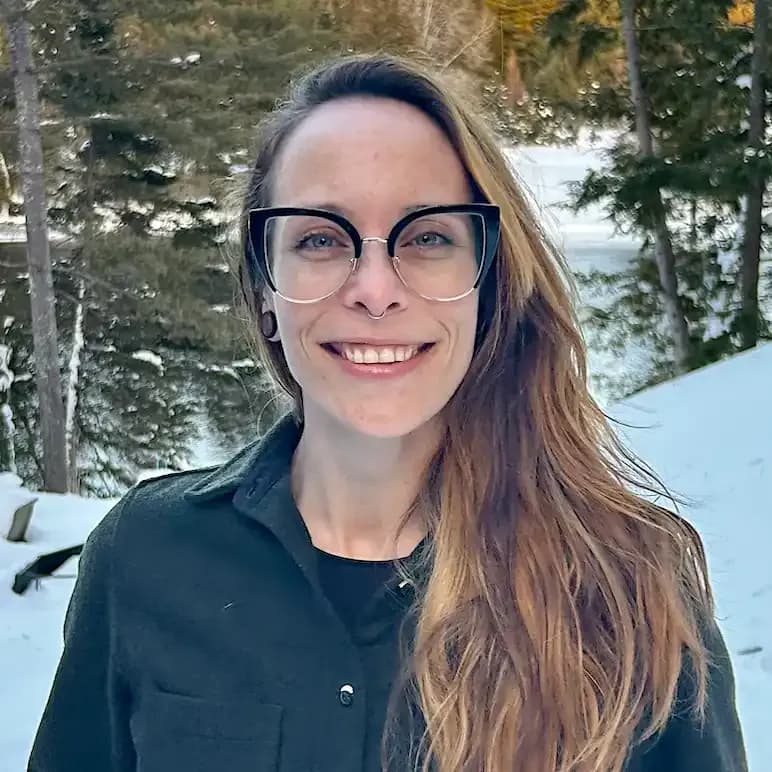
Caitlin Kemmett

Caitlin Kemmett
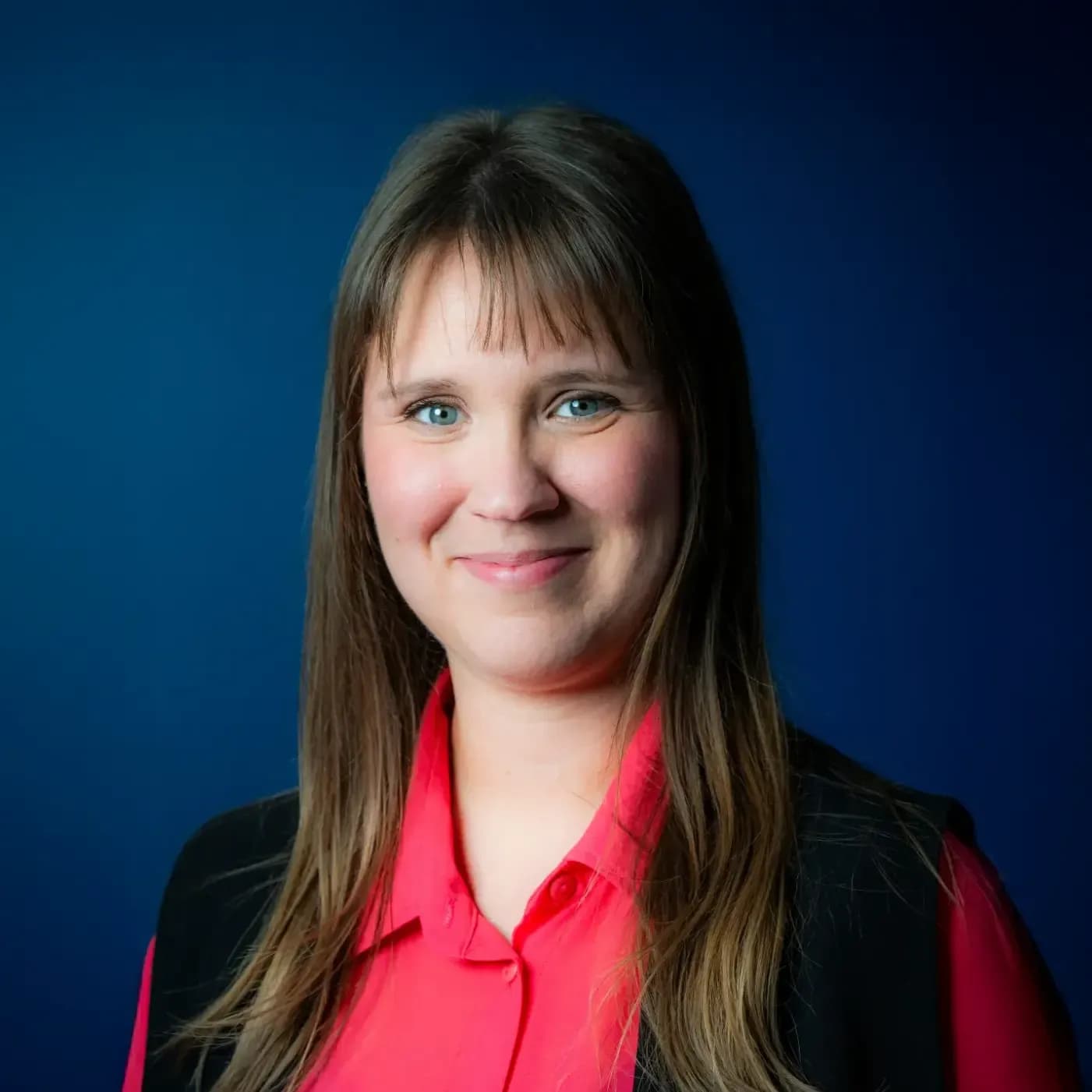
Mariya Garnet

Mariya Garnet

Therapy is hard work.
Rewilding and reclaiming the wild feminine is a therapeutic approach rooted in depth psychology, ecopsychology, and feminist thought. It focuses on reconnecting individuals with their instinctual nature, inner wisdom, and authentic self-expression. Inspired by works like Clarissa Pinkola Estés' "Women Who Run with the Wolves," this approach views disconnection from our instincts and the natural world as a source of psychological distress. The work often involves exploring archetypes, engaging with nature, creative expression, and reclaiming aspects of the self that may have been diminished by cultural expectations or life experiences.
Rewilding work may support emotional well-being by helping individuals reconnect with their body's wisdom, intuition, and natural rhythms. This approach often focuses on building a stronger relationship with nature, exploring creativity, and honouring the full range of human emotions including anger, grief, and joy. Many people find that this work supports greater self-trust, authenticity, and a sense of aliveness. It can be particularly meaningful for those feeling disconnected from themselves or seeking to reclaim parts of their identity that feel lost or unexpressed.
Rewilding and wild feminine work can resonate with anyone seeking deeper connection with their instincts, creativity, and authentic nature—regardless of gender identity. While often framed through feminine archetypes, the core themes of reconnecting with wildness, intuition, and the natural world are universal. This approach may particularly appeal to those experiencing burnout, disconnection from their body, life transitions, creative blocks, or a desire to live more authentically. It can complement other therapeutic approaches for those drawn to nature-based, creative, or spiritually-oriented healing.
Therapists who incorporate rewilding and wild feminine work into their practice are part of First Session's growing network. Because this is a specialized approach, availability may vary. When searching, consider also exploring therapists who offer related modalities such as depth psychology, Jungian therapy, somatic approaches, ecotherapy, or spiritually-integrated counselling. Many practitioners blend multiple approaches and may incorporate rewilding themes even if not explicitly listed. Browse therapists on First Session using filters for your location and areas of interest.
Several therapeutic approaches share themes with rewilding and wild feminine work. Jungian or depth psychology explores archetypes and the unconscious in similar ways. Somatic therapy focuses on body wisdom and embodiment. Ecotherapy and nature-based therapy emphasize healing through connection with the natural world. Feminist therapy addresses how cultural conditioning shapes identity and self-expression. Art therapy and expressive arts therapy offer creative pathways to self-discovery. Many therapists integrate elements from multiple approaches, so exploring these related modalities may help you find a good therapeutic fit.
First Session makes it easier to find a therapist who resonates with your needs. You can browse therapist profiles, watch intro videos to get a sense of each therapist's style, and book directly online. All therapists have their credentials verified during onboarding. If rewilding-focused therapists aren't immediately available in your area, you can explore practitioners offering related approaches like depth psychology, somatic work, or nature-based therapy. Many therapists offer free consultations to discuss whether their approach might be a good fit for your goals.