
Understanding Involuntary Childlessness
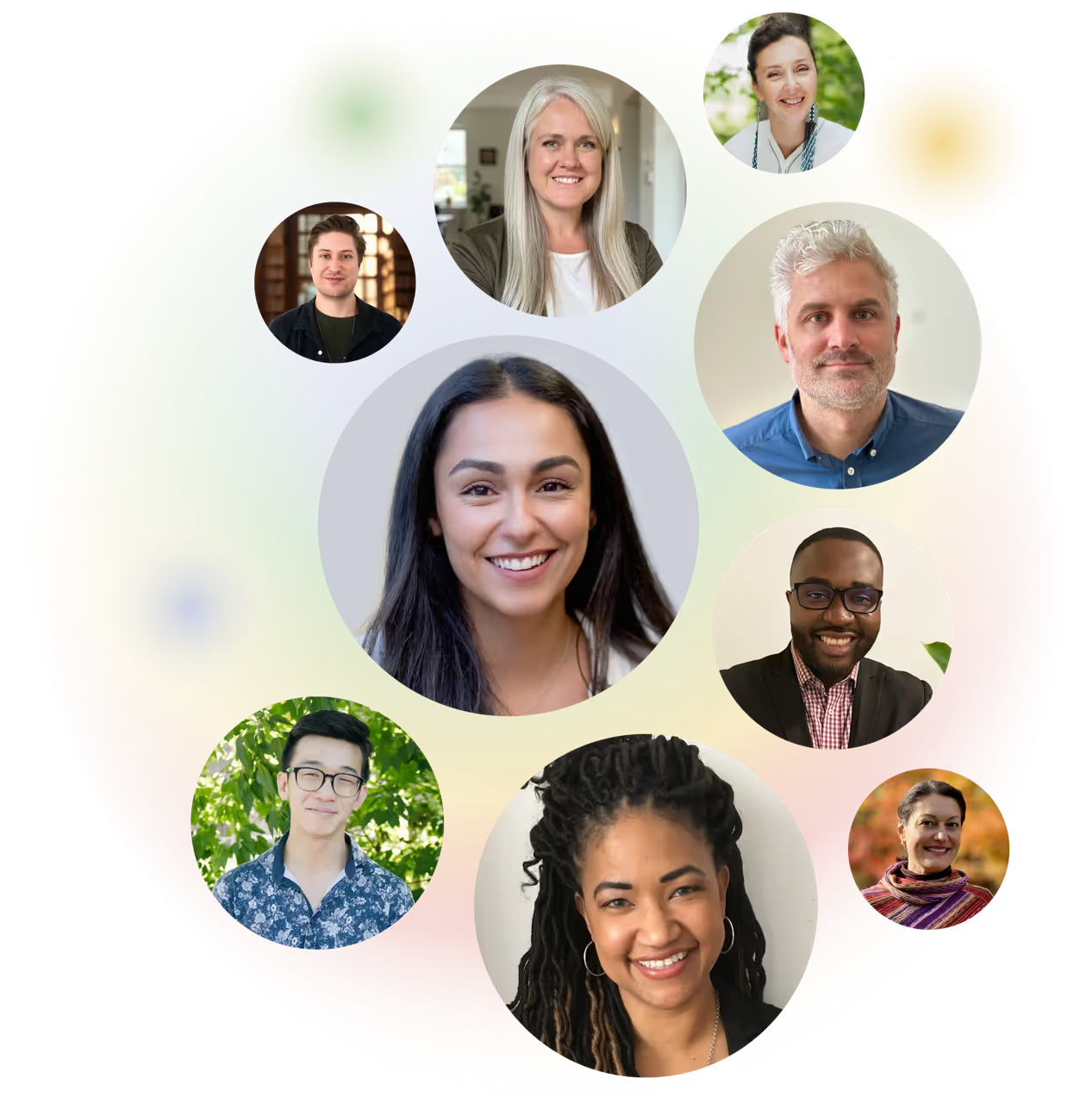
Involuntary childlessness is a deeply personal experience that can bring complex emotions. Our growing network of therapists includes professionals who understand this unique form of grief.

Involuntary childlessness refers to the experience of wanting children but being unable to have them, whether due to infertility, medical conditions, life circumstances, or other factors beyond one's control. This experience often involves a profound sense of loss—not just of a child, but of an imagined future, family traditions, and a sense of identity. Many people find that this grief is disenfranchised, meaning it may not be fully recognized or understood by others, which can intensify feelings of isolation.
Therapy may provide a compassionate space to process these complex emotions, explore meaning-making, and develop strategies for navigating a path forward. While our network of therapists specializing in involuntary childlessness is still growing, we encourage you to explore available therapists who work with grief, life transitions, or reproductive concerns, as many bring valuable perspectives to this experience.
Stephanie Moncada

Stephanie Moncada

Therapy is hard work.
Involuntary childlessness describes the experience of wanting to become a parent but being unable to do so. This may result from infertility, pregnancy loss, medical conditions, lack of a partner, financial constraints, or other circumstances. Unlike choosing to be childfree, involuntary childlessness involves an element of loss and often brings grief for the life one had envisioned. It is a recognized form of bereavement that can affect mental health, relationships, and sense of identity.
Therapy may offer a safe, non-judgmental space to express and process difficult emotions such as grief, anger, guilt, or shame. Working with a therapist can help you develop coping strategies, challenge unhelpful thought patterns, and explore questions of meaning and identity. Therapy may also support you in navigating relationships affected by this experience and in making decisions about next steps, whether that involves continued fertility efforts, alternative paths to parenthood, or building a fulfilling life without children.
Anyone experiencing the emotional impact of not being able to have children may benefit from therapeutic support. This includes individuals currently navigating infertility, those who have exhausted fertility treatments, people who have experienced pregnancy loss, and those facing medical conditions that prevent parenthood. Partners and couples affected by involuntary childlessness may also find support helpful, as may people processing this experience years after the initial loss. There is no timeline for grief, and seeking support at any stage is valid.
When searching for a therapist, consider looking for professionals who have experience with grief and loss, reproductive mental health, or life transitions. Many therapists who work with fertility-related concerns or perinatal mental health also understand involuntary childlessness. On First Session, you can browse therapist profiles, watch introduction videos, and filter by areas of focus to find someone whose approach resonates with you. All therapists on our platform have their credentials verified during onboarding.
If you're having difficulty finding a therapist who specifically lists involuntary childlessness, you might explore related areas. Therapists who work with grief and loss, life transitions, identity exploration, or relationship concerns often bring relevant skills and understanding. Those specializing in women's health, reproductive concerns, or infertility may also offer valuable support. Additionally, therapists experienced with anxiety, depression, or trauma may be helpful if you're experiencing these alongside your childlessness journey.
First Session connects you with therapists across Canada who offer both online and in-person sessions. You can browse profiles, watch therapist introduction videos, and book free consultations to find the right fit. While our network of therapists specializing specifically in involuntary childlessness is growing, you can explore professionals who work with related concerns. Each therapist sets their own rates and availability, giving you flexibility in finding support that works for your situation and budget.