
First Session home

About Dyadic Developmental Therapy

Dyadic Developmental Therapy is an attachment-focused approach that helps children and families heal relational wounds. While our network of DDP-trained therapists is growing, you can explore therapists who specialize in attachment-based work.

Therapists

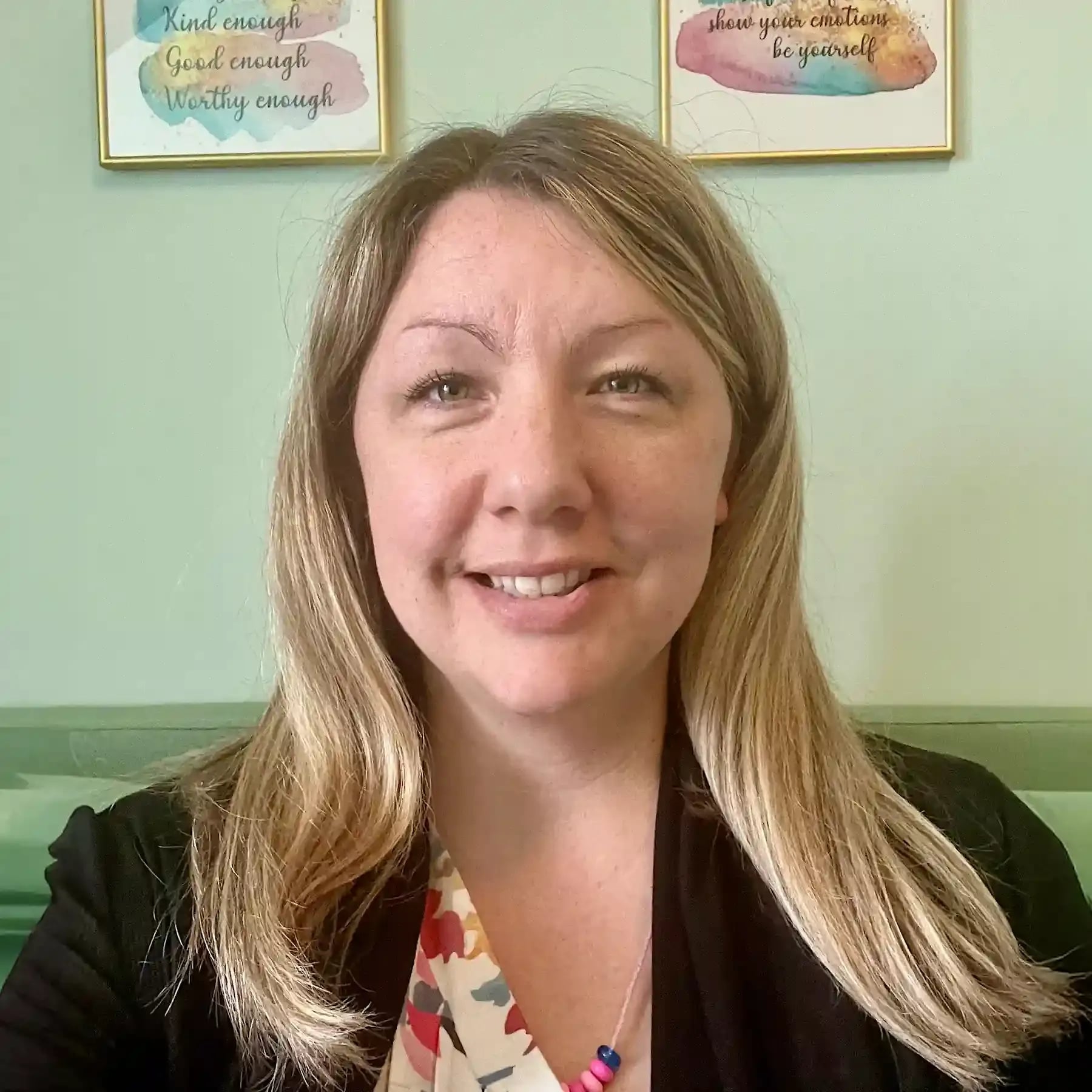
  • Photo of Shannon Bradley

    Shannon Bradley

    Registered Psychotherapist

    • Offers in-person (Burk's Falls, ON)
    • Virtual sessions in ON

Dyadic Developmental Therapy (also known as Dyadic Developmental Psychotherapy or DDP) is an attachment-focused treatment approach developed by Dr. Daniel Hughes. It was originally designed to help children who have experienced trauma, neglect, or disrupted attachment form healthier relationships with their caregivers. The approach uses a playful, accepting, curious, and empathic stance to help children feel safe and connected.

This approach may be helpful for families working to strengthen attachment bonds, particularly when a child has experienced early adversity. If you're interested in Dyadic Developmental Therapy, First Session can help you connect with therapists who work with attachment, family therapy, and child trauma. Browse therapist profiles, watch intro videos, and book a free consultation to find support for your family.

Frequently Asked Questions

What is Dyadic Developmental Therapy?

Dyadic Developmental Therapy (DDP) is an attachment-focused treatment approach developed by Dr. Daniel Hughes. It helps children who have experienced trauma, neglect, or attachment disruptions develop secure relationships with their caregivers. The approach emphasizes a therapeutic stance that is playful, accepting, curious, and empathic (PACE), creating safety that allows healing to occur within the parent-child relationship.

What are the potential benefits of Dyadic Developmental Therapy?

DDP may help children develop more secure attachment patterns, improve their ability to regulate emotions, and build trust in caregiving relationships. Parents and caregivers often learn new ways to connect with and support their children. Many families find that this approach helps heal relational wounds and creates stronger, more connected family bonds.

Who might benefit from Dyadic Developmental Therapy?

DDP may be helpful for families with children who have experienced early trauma, neglect, or multiple placements. It can be particularly relevant for adoptive and foster families, or any family where a child struggles with attachment or trust. The approach works with the caregiver-child relationship, so both the child and parent/caregiver participate in treatment.

How do I find a therapist trained in Dyadic Developmental Therapy?

DDP-trained therapists may be limited, but many therapists on First Session work with attachment-based approaches and child trauma. You can search for therapists who specialize in attachment therapy, family therapy, or work with children who have experienced trauma. Watching intro videos can help you understand a therapist's approach to family and attachment work.

Are there related approaches I could explore?

If you're interested in attachment-focused family work, you might explore therapists who offer attachment-based therapy, play therapy, or family therapy with a trauma-informed lens. These approaches also focus on strengthening family bonds and supporting children's emotional development. Learn more about finding a therapist for your family.

How can First Session help my family find support?

First Session connects families with therapists who specialize in attachment, child development, and family work. You can filter by specialty, watch intro videos to learn about each therapist's approach, and book directly online. All therapists have their credentials verified during onboarding. Book a free consultation to discuss your family's needs.

You deserve more from therapy.

You made the courageous decision to reach your full potential. Find the right therapist to help get you there, and make the most of the time and money you’re investing in yourself.