Mental Health Support for Physical Disability

Living with a physical disability involves unique experiences that can benefit from mental health support. While our network of therapists specializing in disability is growing, you can explore professionals who offer compassionate, accessible care.

Living with a physical disability often involves navigating not just physical challenges but also emotional, social, and psychological dimensions. People may experience grief related to changes in ability, frustration with barriers, anxiety about the future, or the emotional toll of managing chronic conditions. Therapy can provide a supportive space to process these experiences.

A therapist who understands disability-related concerns can offer affirming support without making assumptions about your experience. This might include processing emotions related to disability, building coping strategies, addressing mental health conditions like depression or anxiety, navigating relationships and advocacy, and exploring identity. On First Session, you can browse therapists who offer accessible care and may have experience with disability-related concerns.

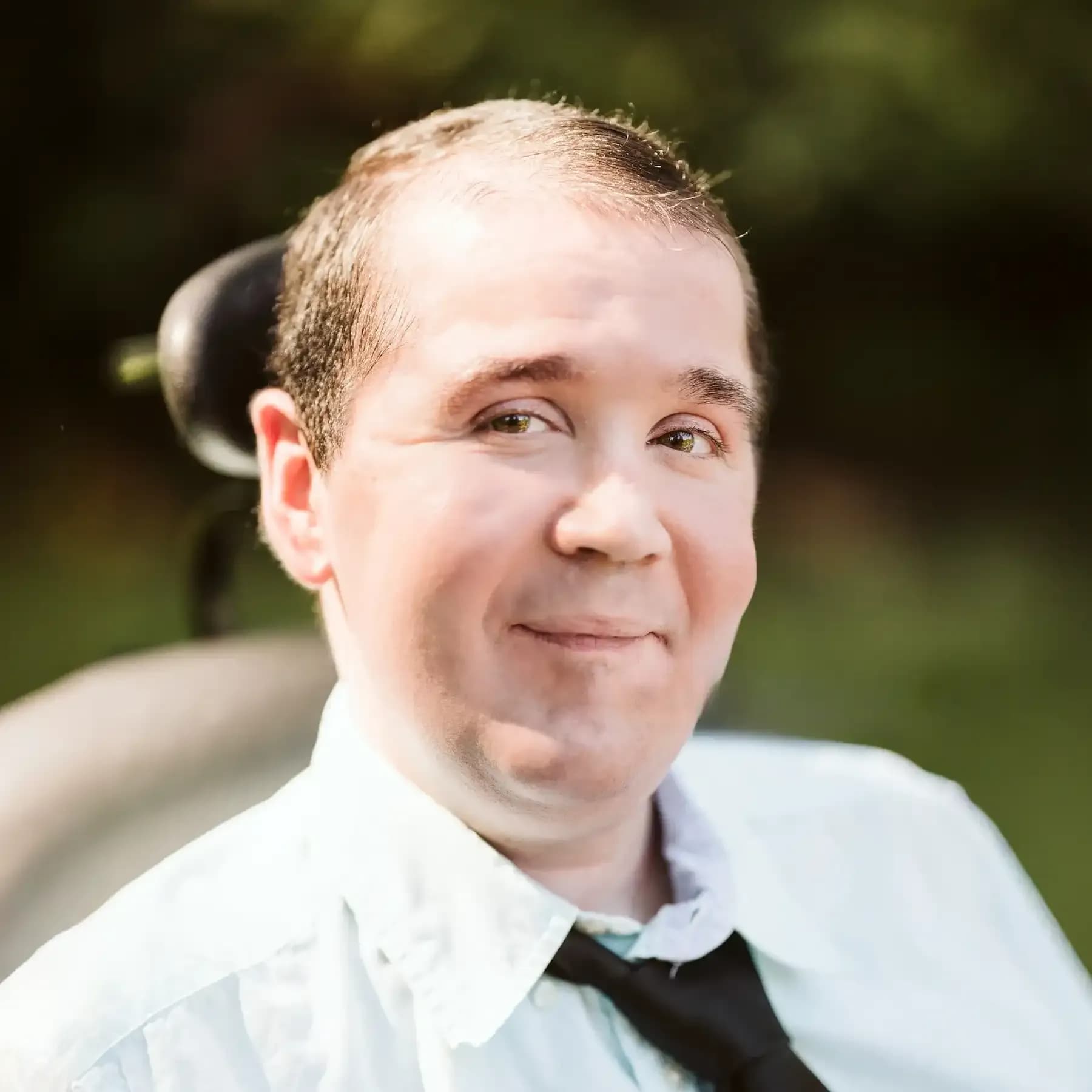
Ryan Yellowlees

Registered Clinical Counsellor
Waitlist
Offers In-Person (Victoria, BC)
Virtual Sessions in BC and AB.
Waitlist
Show More
Ryan Yellowlees

Ryan Yellowlees

Registered Clinical Counsellor
He/Him/His
$100/session
Disability, Chronic Illness, Caregivers, Chronic and acute illness, Adjusting to a diagnosis, Connecting with your Inherent Power, Empowerment, Motivation, Anger, Anxiety, Anxiety and Stress Management Skills, Stress, Men's issues, Masculinity, Depression, Depression coping skills, Conflict resolution, Relationships, People pleasing, Family Conflict, Familial and social relationships, Family issues, Effective communication, Physical Disability, Grief and Loss
No results found. Your criteria may be too specific.
Search finds the closest match while filters exclude profiles that do not match your criteria. Try clearing your filters and using search to find a match.
We add therapists weekly. Sign up to receive updates.
No items found.
No items found.
No items found.
No items found.
No items found.
No items found.
No items found.
A man and woman sitting at a table looking at a phone

Therapy is hard work.

Finding the right therapist shouldn’t be. Over 10,000 Canadians found their new therapist with First Session.
How can therapy help people with physical disabilities?

Therapy can support people with physical disabilities in many ways, including processing emotions related to disability, managing anxiety or depression, developing coping strategies for challenges, navigating relationships and social situations, addressing grief or adjustment, and building self-advocacy skills. A good therapist meets you where you are and respects your lived experience.

What should I look for in a disability-affirming therapist?

Look for a therapist who listens to your experience without making assumptions, understands that disability is not inherently negative, offers accessible services, and focuses on your goals rather than trying to "fix" you. Watching therapist intro videos on First Session can help you get a sense of their approach and whether they might be a good fit.

Who might benefit from therapy related to physical disability?

Anyone living with a physical disability may benefit from therapy, particularly if they're experiencing emotional challenges, adjusting to new circumstances, navigating chronic pain, or wanting support for mental health. This includes people with congenital disabilities, acquired disabilities, chronic conditions, and those supporting family members with disabilities.

How do I find a therapist who understands disability?

When searching for a therapist, consider asking about their experience with disability-related concerns and whether they offer accessible services. On First Session, you can watch intro videos and read profiles to learn about each therapist's approach. Many therapists offer online sessions, which may increase accessibility for some clients.

Are there related areas I could explore?

If you're seeking support related to physical disability, you might also explore therapists who work with chronic illness, pain management, adjustment to diagnosis, grief, or identity. These areas often overlap with the experiences of people living with disabilities.

How can First Session help me find support?

First Session connects you with licensed therapists across Canada, many of whom offer online sessions for accessibility. Browse profiles, watch intro videos, and book directly online. Credentials are verified during onboarding. Learn more about finding a therapist in Canada.