Understanding Neurofeedback Therapy
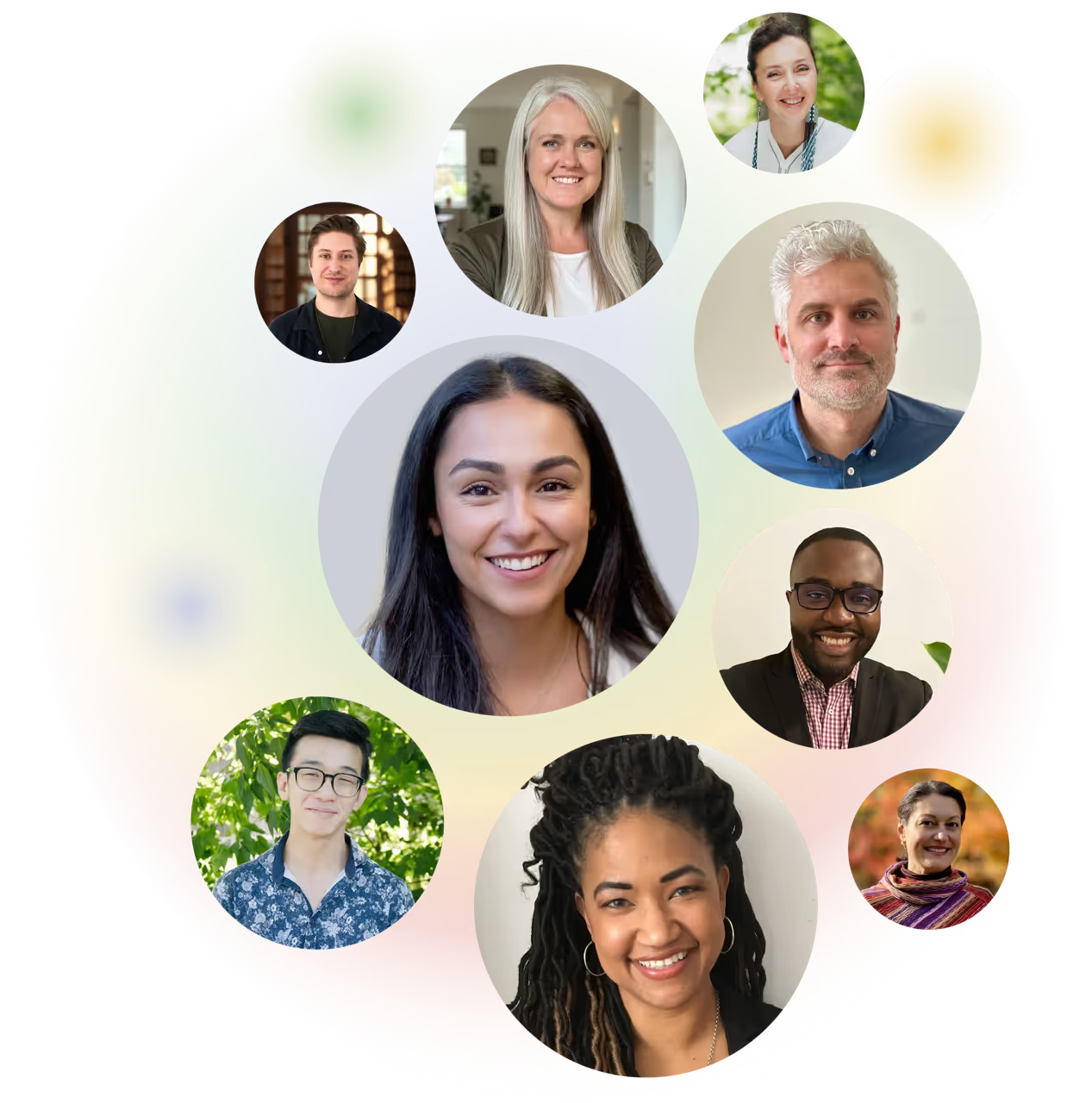
Neurofeedback is a form of biofeedback that uses real-time EEG monitoring to help train brain activity patterns. Our network of practitioners offering this specialized approach continues to grow.

Neurofeedback, sometimes called EEG biofeedback, is a non-invasive approach that aims to help individuals learn to regulate their own brain activity. During a session, sensors are placed on the scalp to measure brainwave patterns, and this information is displayed back to the person through visual or auditory feedback. Over time, some individuals may learn to shift their brain activity toward patterns associated with improved focus, relaxation, or emotional regulation. This approach is often explored by those seeking support for attention difficulties, anxiety, sleep concerns, or overall cognitive wellness.
While neurofeedback is a specialized modality, many people find that exploring related therapeutic approaches can also be valuable. Mindfulness-based therapies, cognitive behavioural therapy (CBT), and somatic approaches may offer complementary benefits for those interested in brain-body connections. As our network of practitioners grows, we encourage you to explore therapists in Canada who may incorporate neurofeedback or similar integrative techniques into their practice.
Therapy is hard work.
Neurofeedback is a type of biofeedback that focuses specifically on brain activity. Using electroencephalography (EEG) technology, sensors placed on the scalp detect electrical patterns in the brain. These patterns are then displayed in real time, often through a computer screen or audio signals, allowing individuals to observe their own brain activity. The goal is to help people learn to recognize and potentially influence their brainwave patterns through practice and repetition over multiple sessions.
Some individuals who try neurofeedback report experiencing improvements in areas such as focus, attention, emotional regulation, and sleep quality. Research continues to explore its applications, with some studies suggesting it may be helpful as part of a broader approach to managing symptoms associated with ADHD, anxiety, or stress. As with many therapeutic approaches, individual experiences vary, and neurofeedback is often most effective when combined with other supportive strategies.
Neurofeedback is often explored by individuals seeking support for attention and concentration challenges, stress management, anxiety, sleep difficulties, or overall cognitive performance. Some parents explore it for children experiencing focus-related concerns. Athletes and professionals sometimes use it as part of peak performance training. Because it is non-invasive and drug-free, some people are drawn to it as a complementary approach alongside other therapies or interventions.
Finding a qualified neurofeedback practitioner involves looking for professionals who have received specialized training in this modality. Many practitioners are psychologists, counsellors, or other mental health professionals who have added neurofeedback to their practice. When searching, consider asking about their training, experience, and the specific protocols they use. Our growing network at First Session includes therapists with various specializations, and we continue to expand the range of approaches available.
If you are interested in neurofeedback, you may also find value in exploring related mind-body approaches. Biofeedback therapy monitors other physiological functions such as heart rate and muscle tension. Mindfulness-based therapies and meditation practices similarly aim to enhance awareness and self-regulation. Cognitive behavioural therapy (CBT) addresses thought patterns that influence emotions and behaviour. Somatic therapies focus on the connection between physical sensations and emotional well-being. Many of these approaches can complement each other.
First Session connects you with therapists across Canada who offer a wide range of therapeutic approaches. Every therapist on our platform has their credentials verified during onboarding, and many include introductory videos so you can get a sense of their style before booking. While our network of neurofeedback specialists continues to grow, you can explore therapists who offer related approaches such as CBT, mindfulness-based therapy, or somatic techniques. Our platform makes it easy to filter by specialty, location, and availability to find support that fits your needs.